revolving turnstile
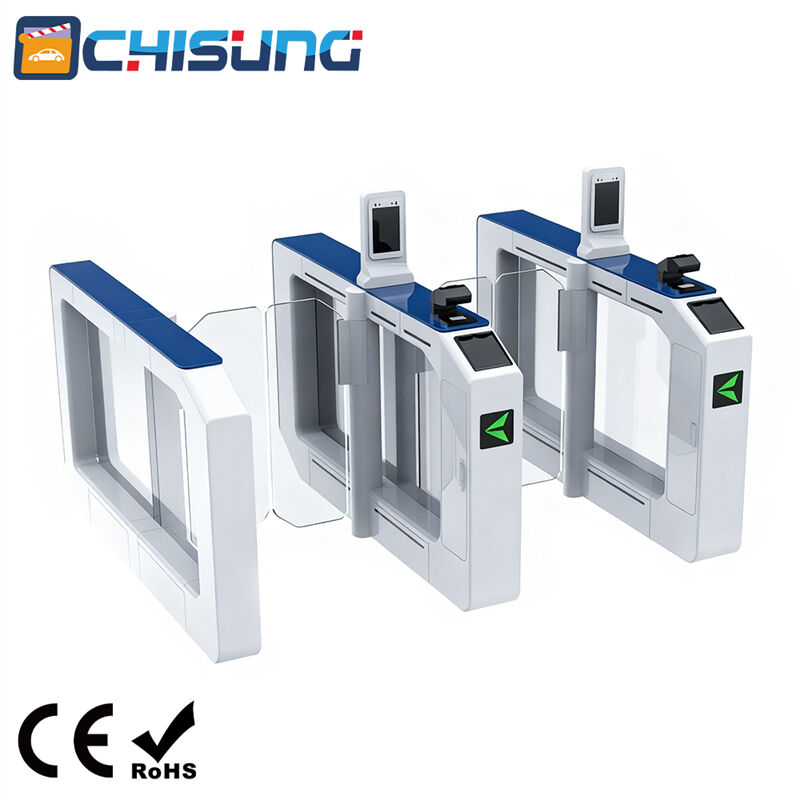
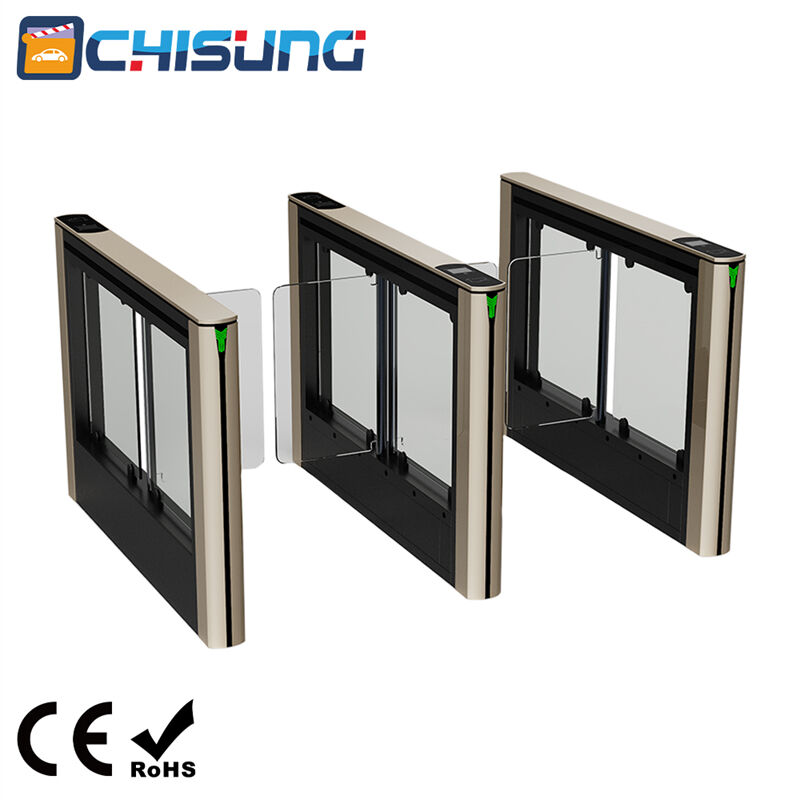
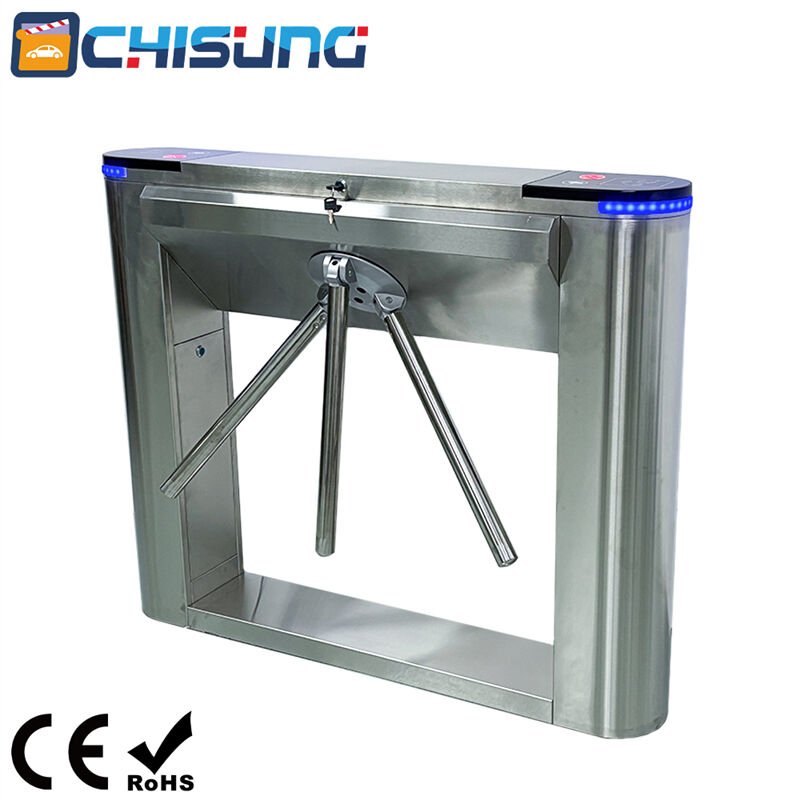
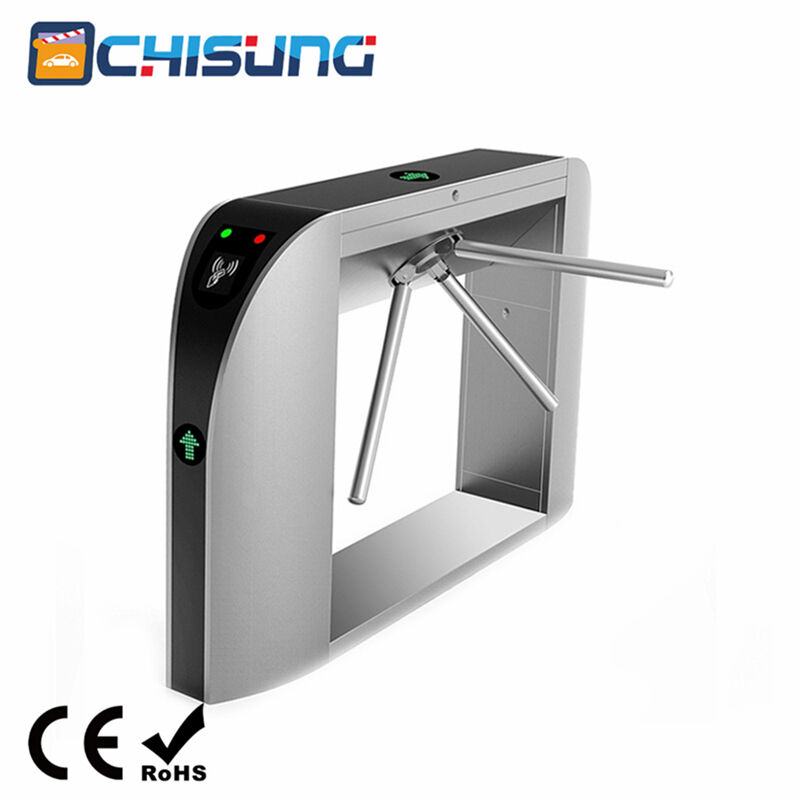
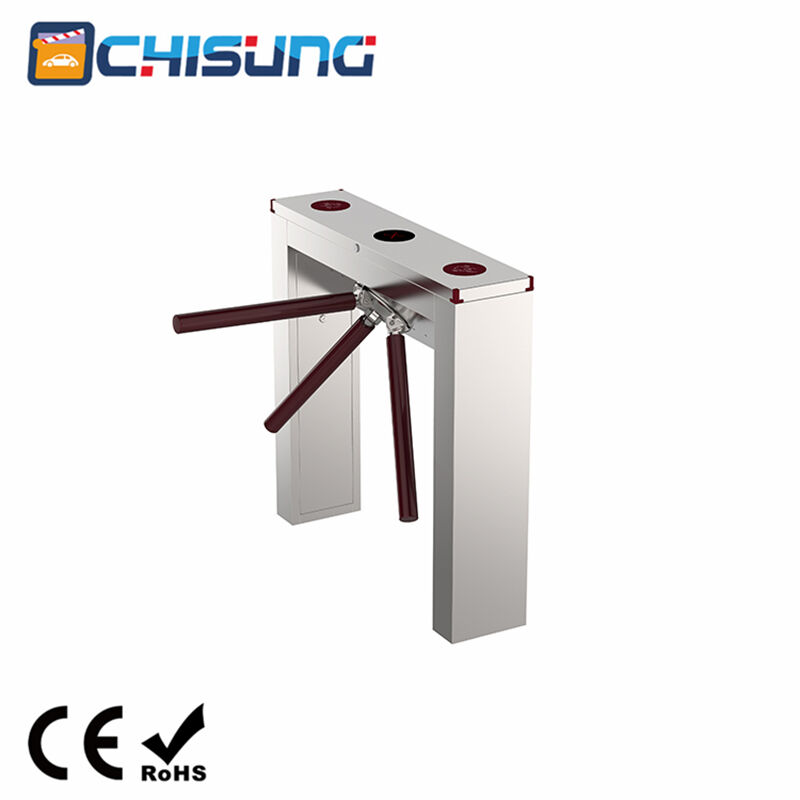
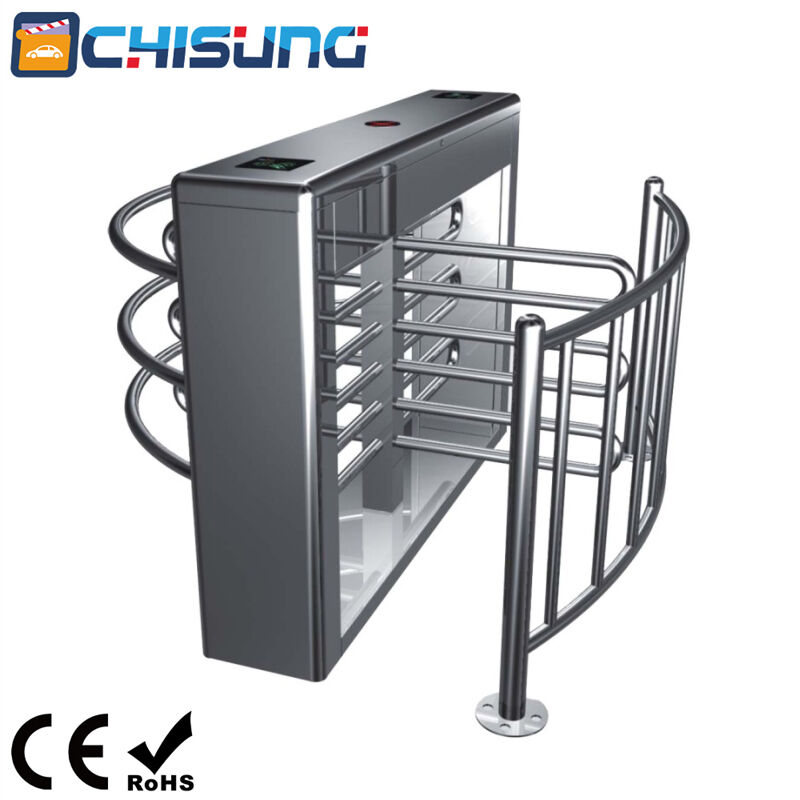
The revolving turnstile stands as a sophisticated access control solution designed to manage pedestrian traffic flow with exceptional precision and security. This innovative barrier system operates through a rotating mechanism that allows only one person to pass through at a time, creating an impenetrable checkpoint for various facilities. Modern revolving turnstile systems incorporate advanced sensor technology, including infrared detection arrays and pressure-sensitive plates, ensuring accurate person counting and preventing unauthorized access attempts. The core functionality revolves around a three or four-wing rotating chamber that creates individual compartments for each user, maintaining strict one-person-one-passage protocols. These systems integrate seamlessly with existing security infrastructure, supporting multiple authentication methods such as card readers, biometric scanners, and mobile credential systems. The revolving turnstile features robust construction using stainless steel and tempered glass materials, ensuring durability and weather resistance for both indoor and outdoor installations. Advanced control systems enable real-time monitoring, data collection, and remote management capabilities through integrated software platforms. The technology incorporates fail-safe mechanisms that automatically unlock during emergency situations, complying with fire safety regulations and evacuation procedures. Applications span diverse industries including corporate offices, government facilities, transportation hubs, educational institutions, healthcare centers, and high-security environments. Manufacturing facilities utilize revolving turnstile systems to control employee access and monitor workforce movement patterns. Financial institutions depend on these systems to create secure entry points that prevent tailgating and unauthorized access to sensitive areas. The versatility of revolving turnstile installations allows for customization based on specific security requirements, traffic volume expectations, and architectural constraints, making them suitable for both high-traffic commercial environments and specialized security applications requiring maximum access control precision.

 EN
EN