
 EN
EN
The decision to upgrade your tripod turnstile system in 2026 requires careful consideration of multiple factors including technological advancements, security requirements, and operational efficiency. As organizations continue to prioritize access control and facility security, understanding the optimal timing for tripod turnstile upgrades becomes crucial for maintaining competitive advantage and ensuring seamless operations. Modern tripod turnstile systems have evolved significantly beyond basic entry control, incorporating advanced features like biometric integration, smart analytics, and enhanced durability standards that make upgrade decisions more complex yet more rewarding.
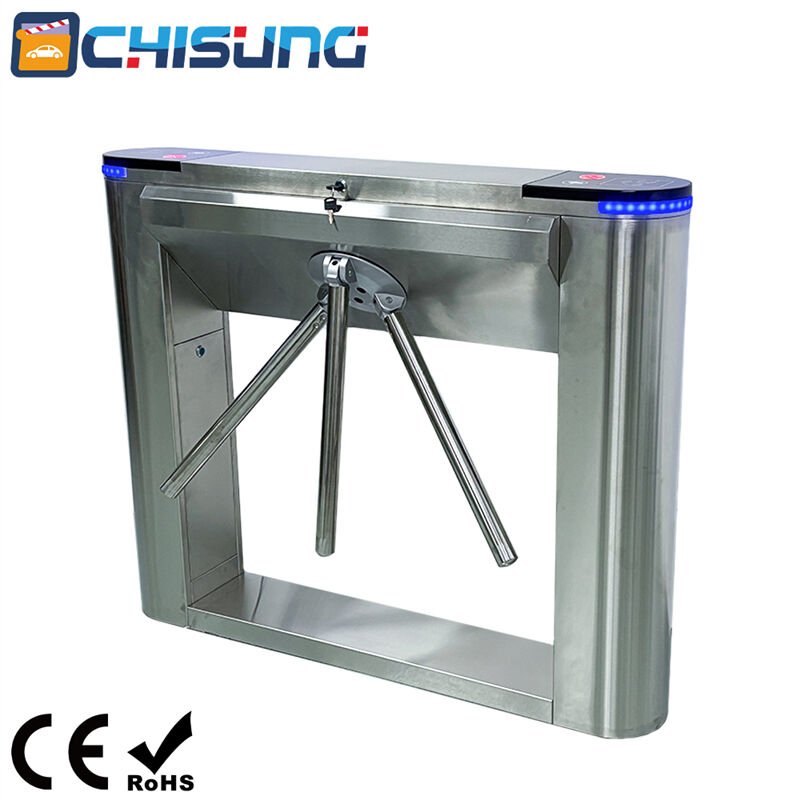
Key Indicators for Tripod Turnstile Upgrade Requirements
Performance Degradation Signals
Organizations should monitor their existing tripod turnstile systems for specific performance indicators that suggest upgrade necessity. Frequent mechanical failures, inconsistent access response times, and increased maintenance costs typically indicate that current systems have reached their operational limits. When your tripod turnstile experiences recurring malfunctions that impact daily operations, the cumulative downtime and repair expenses often justify investment in newer technology. Performance degradation manifests through various symptoms including slow rotation mechanisms, unreliable card readers, and compromised safety features that can create security vulnerabilities.
Modern tripod turnstile systems incorporate predictive maintenance capabilities that monitor component health and provide advance warning of potential failures. Legacy systems lacking these diagnostic features require manual inspection and reactive maintenance approaches that increase operational risks. The transition from reactive to predictive maintenance represents a significant operational improvement that enhances system reliability while reducing unexpected downtime costs.
Security Enhancement Requirements
Evolving security threats demand more sophisticated access control capabilities than traditional tripod turnstile systems provide. Contemporary security challenges require multi-factor authentication, real-time monitoring, and integration with comprehensive security management platforms. Organizations experiencing security breaches or identifying vulnerabilities in their current access control infrastructure should prioritize tripod turnstile upgrades that address these concerns through advanced authentication methods and enhanced monitoring capabilities.
The integration of artificial intelligence and machine learning technologies in modern tripod turnstile systems enables behavior analysis, tailgating detection, and anomaly identification that significantly improve security effectiveness. These capabilities represent substantial improvements over traditional systems that rely solely on credential validation for access control decisions.
Technology Evolution and Compatibility Considerations
Integration with Modern Security Systems
The compatibility of existing tripod turnstile systems with modern security infrastructure determines upgrade urgency and implementation complexity. Legacy systems often lack the communication protocols and data formats required for seamless integration with contemporary security management platforms. Organizations implementing new video surveillance, alarm systems, or visitor management solutions may discover that their current tripod turnstile systems cannot effectively integrate with these technologies, creating operational silos that reduce overall security effectiveness.
Modern tripod turnstile systems feature standardized communication protocols, cloud connectivity, and API capabilities that enable comprehensive integration with diverse security technologies. This integration capability allows organizations to create unified security ecosystems that provide centralized monitoring, coordinated responses, and comprehensive reporting across all access control points.
Smart Building and IoT Integration
The emergence of smart building technologies and Internet of Things ecosystems creates new requirements for access control systems that extend beyond traditional tripod turnstile functionality. Modern facilities require access control systems that can communicate with HVAC systems, lighting controls, and occupancy management platforms to optimize building operations and energy efficiency. Organizations pursuing smart building initiatives should evaluate whether their current tripod turnstile systems can support these integration requirements or if upgrades are necessary to achieve desired automation levels.
Contemporary tripod turnstile systems incorporate sensors and connectivity options that enable real-time occupancy tracking, environmental monitoring, and automated building system coordination. These capabilities support energy conservation initiatives, space utilization optimization, and enhanced occupant comfort through intelligent building management.
Financial Considerations and Return on Investment
Maintenance Cost Analysis
The financial justification for tripod turnstile upgrades often stems from escalating maintenance costs associated with aging systems. Organizations should conduct comprehensive cost analyses that compare current maintenance expenses, including parts, labor, and downtime costs, against the total cost of ownership for new tripod turnstile systems. When annual maintenance costs exceed 30% of replacement system costs, upgrade decisions become financially favorable regardless of other considerations.
Modern tripod turnstile systems feature improved component durability, extended warranty coverage, and reduced maintenance requirements that significantly lower total cost of ownership. The transition from mechanical to electronic components, improved materials, and better manufacturing quality contribute to extended service life and reduced maintenance intervals that generate substantial long-term savings.
Operational Efficiency Improvements
Upgrading tripod turnstile systems can deliver measurable operational efficiency improvements that generate quantifiable returns on investment. Modern systems process access requests faster, reduce queue formation during peak periods, and provide better user experiences that enhance overall facility operations. Organizations should calculate the value of reduced wait times, improved throughput, and enhanced user satisfaction when evaluating upgrade decisions.
Advanced tripod turnstile systems incorporate features like contactless access, mobile credentials, and automated visitor processing that streamline operations while reducing staffing requirements. These efficiency improvements can generate significant cost savings through reduced labor needs and improved operational productivity.
Compliance and Regulatory Considerations
Accessibility Standards Compliance
Evolving accessibility regulations require tripod turnstile systems to accommodate users with diverse mobility needs and physical capabilities. Organizations must ensure their access control systems comply with current ADA requirements and local accessibility standards. Legacy tripod turnstile systems may lack the design features and operational capabilities necessary to meet contemporary accessibility requirements, creating compliance risks that necessitate system upgrades.
Modern tripod turnstile designs incorporate wider passages, alternative access methods, and assistive features that ensure compliance with accessibility standards while maintaining security effectiveness. These design improvements demonstrate organizational commitment to inclusivity while reducing legal risks associated with accessibility non-compliance.
Data Protection and Privacy Requirements
Increasing data protection regulations require access control systems to implement specific security measures for personal information handling and storage. Organizations subject to GDPR, CCPA, or industry-specific privacy regulations must ensure their tripod turnstile systems incorporate appropriate data protection features including encryption, access logging, and data retention management. Legacy systems may lack these capabilities, creating compliance vulnerabilities that require immediate attention.
Contemporary tripod turnstile systems feature built-in privacy protection capabilities including encrypted data transmission, secure credential storage, and comprehensive audit trails that support regulatory compliance requirements. These features reduce compliance risks while providing organizations with the documentation and controls necessary to demonstrate regulatory adherence.
Strategic Planning for Tripod Turnstile Upgrades
Implementation Timeline Development
Successful tripod turnstile upgrade projects require careful timeline planning that considers operational disruption, budget constraints, and system integration requirements. Organizations should develop phased implementation approaches that minimize operational impact while ensuring continuous security coverage throughout the upgrade process. The complexity of modern tripod turnstile systems and their integration requirements typically necessitate longer implementation timelines than simple equipment replacements.
Project planning should account for site preparation, system configuration, integration testing, and user training requirements that extend beyond basic equipment installation. Organizations that underestimate these requirements often experience project delays and cost overruns that could be avoided through comprehensive planning and realistic timeline development.
Vendor Selection and Evaluation
The selection of appropriate tripod turnstile vendors requires evaluation of multiple factors including product capabilities, integration support, maintenance services, and long-term viability. Organizations should prioritize vendors with proven experience in similar applications and comprehensive support capabilities that ensure successful implementation and ongoing system reliability. The complexity of modern tripod turnstile systems makes vendor expertise and support quality critical success factors.
Vendor evaluation should include assessment of training programs, technical support availability, and upgrade path options that protect long-term investment value. Organizations that select vendors based solely on initial cost often encounter challenges with system integration, ongoing support, and future upgrade requirements that increase total cost of ownership significantly.
Future-Proofing Your Tripod Turnstile Investment
Scalability and Expansion Considerations
Organizations planning tripod turnstile upgrades should consider future expansion requirements and scalability needs that may influence system selection and configuration decisions. Modern tripod turnstile systems offer modular designs and expansion capabilities that accommodate organizational growth without requiring complete system replacement. Planning for future needs during initial upgrade decisions can prevent premature obsolescence and reduce long-term costs.
Scalable tripod turnstile architectures support additional access points, enhanced features, and expanded integration capabilities through software updates and hardware additions. This flexibility enables organizations to adapt their access control systems to changing requirements without disrupting existing operations or requiring significant additional investments.
Technology Evolution Preparedness
The rapid pace of technology evolution requires tripod turnstile systems that can adapt to future innovations and standards without requiring complete replacement. Organizations should prioritize systems with updateable software, modular hardware designs, and open integration standards that support future technology adoption. Forward-thinking upgrade decisions consider not only current requirements but also anticipated future needs and technological developments.
Modern tripod turnstile systems incorporate upgrade pathways and compatibility features that extend system lifecycle and protect investment value. These capabilities enable organizations to benefit from technological advances without requiring frequent system replacements, improving return on investment and operational continuity.
FAQ
How often should organizations evaluate their tripod turnstile systems for potential upgrades
Organizations should conduct comprehensive tripod turnstile evaluations annually, with more frequent assessments if experiencing operational issues or security concerns. Regular evaluations help identify performance degradation, technology gaps, and compliance requirements before they become critical problems. The evaluation process should include performance metrics analysis, security assessment, cost analysis, and technology compatibility review to determine if upgrades are necessary or beneficial.
What are the most important factors to consider when planning a tripod turnstile upgrade
The most critical factors for tripod turnstile upgrade planning include security requirements, integration capabilities, compliance needs, and total cost of ownership. Organizations should prioritize systems that meet current security standards, integrate with existing infrastructure, comply with relevant regulations, and provide favorable long-term economics. Additional considerations include vendor support quality, implementation complexity, and future expansion capabilities that affect long-term success.
Can modern tripod turnstile systems integrate with existing security infrastructure
Contemporary tripod turnstile systems are designed with extensive integration capabilities that support connection with most modern security platforms and building management systems. These systems typically feature standardized communication protocols, API interfaces, and cloud connectivity that enable seamless integration with video surveillance, alarm systems, visitor management platforms, and access control networks. Organizations should verify specific integration requirements during vendor selection to ensure compatibility with their existing infrastructure.
What return on investment can organizations expect from tripod turnstile upgrades
Tripod turnstile upgrade ROI varies based on current system condition, operational requirements, and selected technologies, but organizations typically see returns through reduced maintenance costs, improved efficiency, and enhanced security effectiveness. Cost savings from decreased downtime, lower maintenance expenses, and improved operational productivity often justify upgrade investments within 3-5 years. Additional benefits including compliance risk reduction, enhanced user experience, and future-proofing capabilities provide additional value that extends beyond direct financial returns.
Table of Contents
- Key Indicators for Tripod Turnstile Upgrade Requirements
- Technology Evolution and Compatibility Considerations
- Financial Considerations and Return on Investment
- Compliance and Regulatory Considerations
- Strategic Planning for Tripod Turnstile Upgrades
- Future-Proofing Your Tripod Turnstile Investment
-
FAQ
- How often should organizations evaluate their tripod turnstile systems for potential upgrades
- What are the most important factors to consider when planning a tripod turnstile upgrade
- Can modern tripod turnstile systems integrate with existing security infrastructure
- What return on investment can organizations expect from tripod turnstile upgrades