
 EN
EN
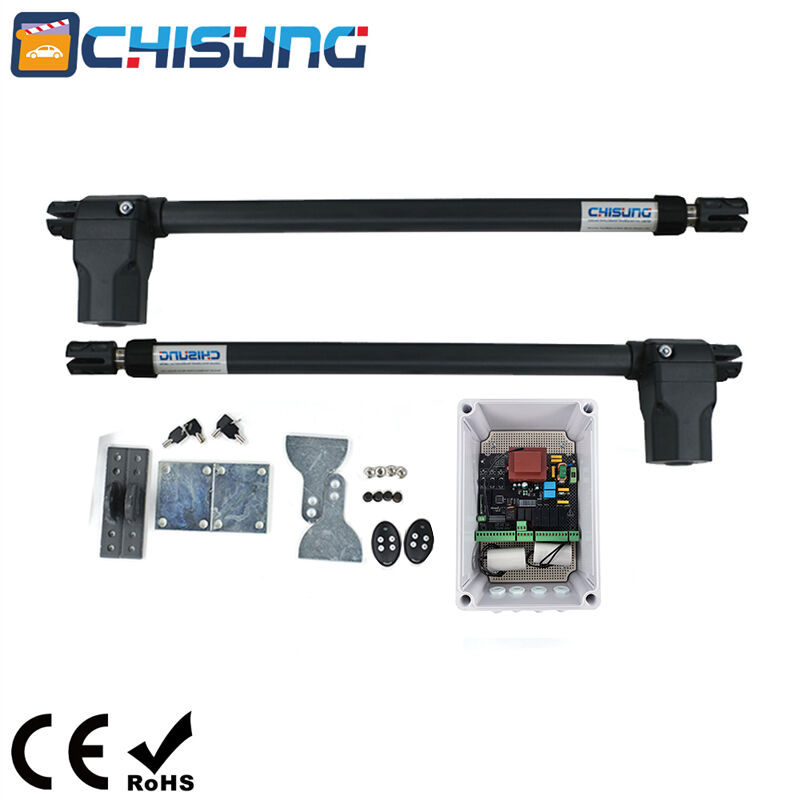
Modern Access Control and the Role of Gate Automation
In both residential and commercial environments, automated entry systems have become an essential part of modern property management. A reliable gate opener not only improves daily convenience but also enhances security, operational efficiency, and property value. As automated access technology continues to evolve, property owners, facility managers, and integrators are paying closer attention to the features that make a gate opener truly effective in real-world use.
From private homes to warehouses, industrial sites, and commercial buildings, the demand for dependable gate automation solutions continues to grow. A well-designed gate opener allows vehicles to enter and exit smoothly without manual effort while maintaining a controlled access environment. This balance between security and convenience is one of the main reasons automated gate systems have become so widely adopted.
Selecting the right gate opener is not simply about opening and closing a gate. It involves evaluating durability, motor strength, safety protection, connectivity, installation compatibility, and maintenance requirements. In practical scenarios, the performance of a gate opener directly affects traffic flow, operational efficiency, and user satisfaction.
With property owners increasingly investing in long-term infrastructure upgrades, choosing a reliable gate opener has become a strategic decision rather than a simple hardware purchase. Understanding the most important features helps ensure the system performs consistently under daily use and changing environmental conditions.
Reliable Motor Performance for Consistent Operation
A high-quality gate opener depends heavily on the performance of its motor system. The motor determines how efficiently the gate moves, how smoothly it operates, and how well it handles repeated daily use.
High Torque Motor Capacity
One of the most critical factors in any gate opener is motor torque. Gates vary significantly in weight, material, and length, especially when comparing residential gates to industrial or commercial installations. A powerful motor ensures the gate opener can move heavier gates without excessive strain on internal components.
High torque motors allow the gate opener to start movement smoothly and maintain steady operation throughout the opening and closing cycle. Without sufficient torque, a gate may move unevenly or struggle under heavy load conditions. This can lead to premature wear on gears, belts, and drive systems.
For larger properties or facilities with steel sliding gates, a strong motor capacity ensures the gate opener performs reliably even after thousands of cycles. Over time, this reliability reduces maintenance costs and prevents unexpected downtime.
A gate opener with adequate torque capacity also provides better resistance against wind pressure or minor gate misalignment, which can occur in outdoor environments.
Durable Internal Drive Mechanism
Beyond motor strength, the internal drive mechanism of a gate opener plays a major role in long-term performance. Gear-driven or chain-driven systems must be engineered with durable materials to handle frequent operation.
Industrial-grade gears, reinforced chains, and precision-machined drive components allow the gate opener to operate smoothly over extended periods. Poor-quality components often result in vibration, noise, or uneven gate movement, which can affect user experience and system longevity.
High-quality gate opener systems often use sealed gearboxes to protect internal components from dust, moisture, and debris. This protection is especially important in outdoor installations where environmental exposure is unavoidable.
Durable drive mechanisms help ensure that the gate opener maintains consistent speed, smooth acceleration, and reliable stopping control.
Advanced Safety Protection Systems
Safety is one of the most important considerations when installing any automated gate system. A well-designed gate opener must incorporate protective features that prevent accidents and protect both vehicles and pedestrians.
Obstacle Detection Technology
Obstacle detection systems allow a gate opener to immediately stop or reverse direction when it encounters resistance. This feature is critical for preventing damage or injury if a vehicle, object, or person is in the gate's path.
Modern gate opener systems use various sensing technologies to detect obstacles, including force sensors, infrared beams, and pressure detection systems. When the gate encounters unexpected resistance, the motor controller triggers an automatic stop.
Reliable obstacle detection helps ensure the gate opener operates safely even in busy environments where multiple vehicles or pedestrians may pass through the entrance.
This feature is particularly important in residential communities, office parks, and logistics centers where automated gates operate frequently throughout the day.
Emergency Stop and Manual Release
Even the most reliable gate opener must include manual override functions for emergency situations. Power outages, maintenance needs, or unexpected system issues require the ability to disengage the motor and operate the gate manually.
A manual release mechanism allows property owners or technicians to unlock the drive system quickly and move the gate by hand. This ensures that access is not completely blocked if electrical power is interrupted.
Emergency stop functions also allow users to immediately halt gate movement if an unsafe condition occurs. These safety features ensure the gate opener remains safe and controllable under all circumstances.
Properly designed safety systems significantly reduce risk and provide peace of mind for property owners and operators.
Smart Connectivity and Remote Control Integration
Automation technology is increasingly connected to digital systems. Modern gate opener solutions now offer smart features that allow remote access control and monitoring.
Smartphone and Remote Operation
Many modern gate opener systems can be connected to wireless controllers or mobile applications. This enables property owners to open or close gates remotely using smartphones or remote transmitters.
Remote access control improves convenience for homeowners and businesses alike. Instead of leaving a vehicle to open the gate manually, users can control the gate opener from inside their vehicle or even from a remote location.
For properties that host visitors or delivery services, remote control functionality allows gate access to be granted without physical presence at the entrance.
This feature is particularly useful for rental properties, gated communities, and logistics facilities where controlled access is essential.
Integration With Access Control Systems
A modern gate opener often works together with broader access control solutions. Keypads, RFID card readers, vehicle sensors, and intercom systems can all connect to the gate opener controller.
This integration enables more advanced entry management. For example, authorized vehicles may automatically trigger the gate opener when approaching the entrance. Employees or residents may use secure credentials to activate the system.
Access control integration improves security while maintaining efficient traffic flow. Property managers can track entry activity and control who has access to the premises.
These capabilities make the gate opener an important part of a larger property security infrastructure.
Weather Resistance and Environmental Durability
Outdoor equipment must withstand various environmental conditions. A reliable gate opener must be designed to operate consistently despite exposure to weather, dust, or temperature fluctuations.
Protective Housing and Sealing
The outer housing of a gate opener protects internal electronics and mechanical components from environmental damage. Weather-resistant enclosures prevent rainwater, dust, and debris from entering the motor compartment.
Sealed housings are particularly important in regions with heavy rainfall, coastal humidity, or dusty industrial environments. A well-protected gate opener reduces the risk of corrosion and electrical damage.
Manufacturers often design gate opener systems with protective coatings and corrosion-resistant materials. These features help extend the operational lifespan of the system.
Durable housing also reduces maintenance requirements and helps maintain stable performance over time.
Temperature and Outdoor Operation Stability
Temperature changes can affect motor performance and electronic components. A dependable gate opener must be capable of operating across a wide temperature range without performance degradation.
Cold weather may increase mechanical resistance, while extreme heat can affect electronic controllers. High-quality gate opener systems include thermal protection circuits and durable components designed for outdoor operation.
Stable operation in various environmental conditions ensures the gate opener continues to function reliably throughout the year.
This durability is especially important for industrial facilities, warehouses, and commercial sites where access gates must operate continuously.
Efficient Installation and System Compatibility
Ease of installation and compatibility with different gate types are important factors when selecting a gate opener system.
Compatibility With Different Gate Structures
Gates can be sliding, swinging, cantilever, or track-mounted depending on the property layout. A versatile gate opener should be compatible with multiple gate structures.
Installers often look for gate opener systems that support adjustable mounting brackets and flexible drive configurations. This allows the system to adapt to different gate designs without extensive structural modifications.
Compatibility reduces installation complexity and allows property owners to upgrade their automation system without replacing the entire gate structure.
A well-designed gate opener can support both residential and commercial applications through adaptable mounting options.
Simplified Installation and Maintenance
Installation efficiency is another important feature for professionals who deploy automated gate systems. Clear wiring layouts, modular components, and easy-access maintenance panels simplify both installation and servicing.
A gate opener designed with maintenance access in mind allows technicians to quickly inspect components, adjust settings, and replace parts when necessary.
Simplified maintenance helps extend the life of the gate opener and reduces long-term operational costs.
For commercial properties that rely on automated gates for daily traffic flow, minimizing downtime is essential.
Energy Efficiency and Operational Longevity
Energy efficiency has become an important consideration for modern infrastructure systems. A well-designed gate opener should operate efficiently while maintaining reliable performance.
Low Power Standby Operation
Many gate opener systems operate continuously, even when the gate is not moving. Efficient standby power consumption helps reduce energy usage without affecting responsiveness.
Modern gate opener controllers are designed to remain ready for operation while minimizing electricity consumption during idle periods.
Lower standby power not only reduces operating costs but also supports environmentally responsible property management.
Energy-efficient systems are particularly beneficial for large facilities where multiple automated gates may be installed.
Long Service Life Components
Longevity is another important aspect of gate opener design. High-quality bearings, reinforced gears, and durable electronics help ensure the system operates reliably for many years.
Frequent replacement or repair can disrupt access control operations. Investing in a durable gate opener reduces long-term maintenance needs and improves overall system stability.
For property owners and facility managers, long service life translates directly into better value and operational reliability.
Choosing a well-built gate opener ensures the automation system continues performing consistently under daily usage.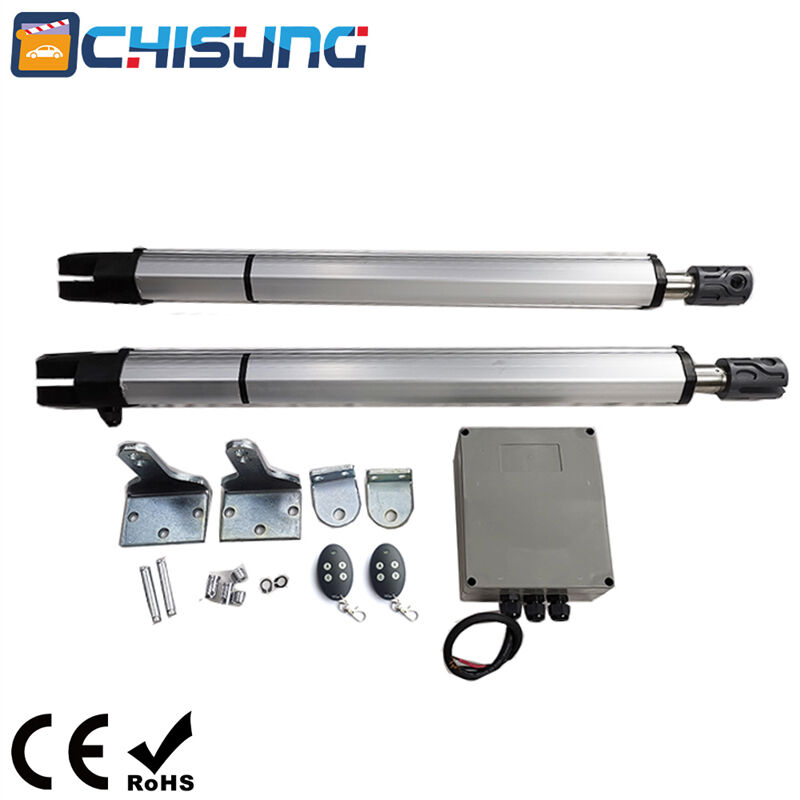
FAQ
What type of gate opener works best for heavy gates
Heavy gates typically require a gate opener with a high torque motor and reinforced drive mechanism. Sliding gate systems often perform well for large steel gates because the motor can apply consistent force along the track. Selecting a gate opener designed for heavy-duty operation ensures smooth movement and prevents strain on the motor and gears.
How important is safety detection in a gate opener
Safety detection is one of the most critical features of any gate opener. Obstacle detection systems help prevent accidents by stopping or reversing the gate when resistance is detected. This protects vehicles, pedestrians, and equipment while ensuring the gate opener operates safely in environments with frequent traffic.
Can a gate opener be connected to a smartphone system
Many modern gate opener systems support remote control through smartphone applications or wireless controllers. This allows property owners to open or close gates remotely, monitor entry activity, and integrate the gate opener with broader access control systems. Remote connectivity significantly improves convenience and operational flexibility.
How long does a typical gate opener last
The lifespan of a gate opener depends on usage frequency, environmental conditions, and build quality. A well-manufactured gate opener installed correctly and maintained regularly can operate reliably for many years. Choosing durable materials, weather-resistant housing, and high-quality drive components helps maximize service life.
Table of Contents
- Modern Access Control and the Role of Gate Automation
- Reliable Motor Performance for Consistent Operation
- Advanced Safety Protection Systems
- Smart Connectivity and Remote Control Integration
- Weather Resistance and Environmental Durability
- Efficient Installation and System Compatibility
- Energy Efficiency and Operational Longevity
- FAQ