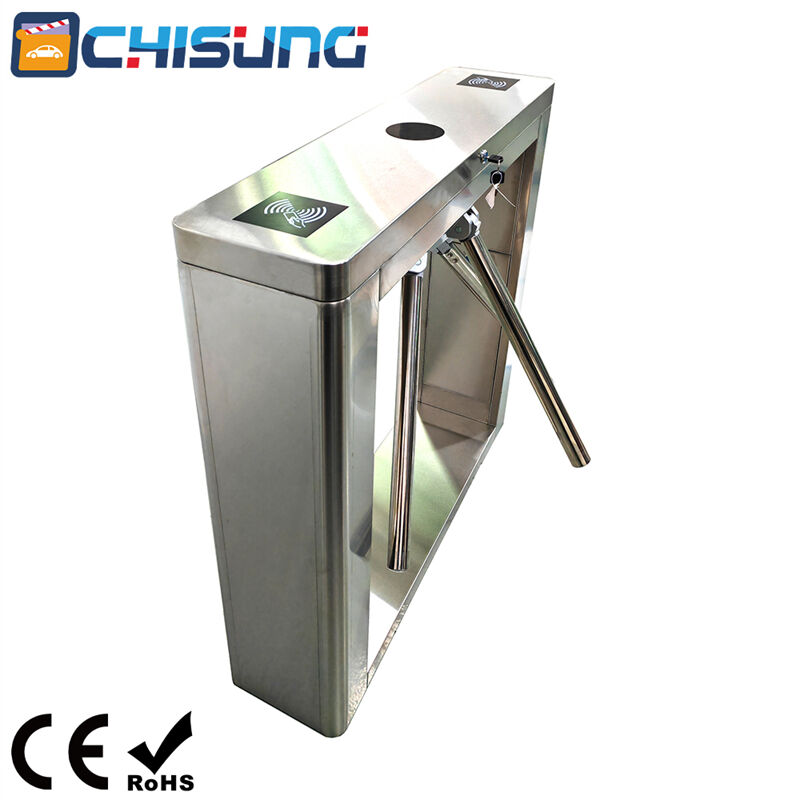
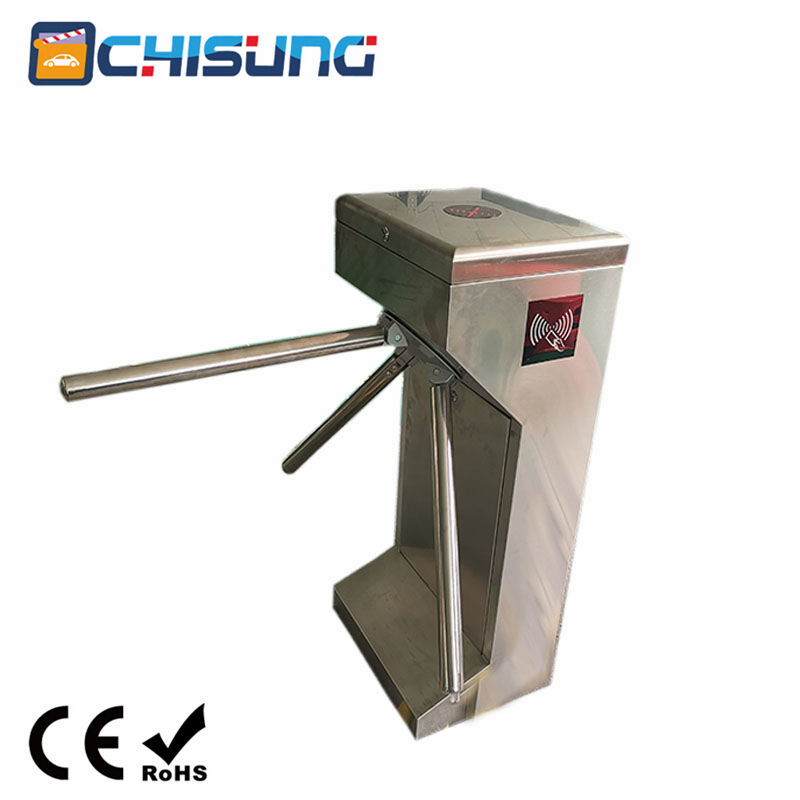
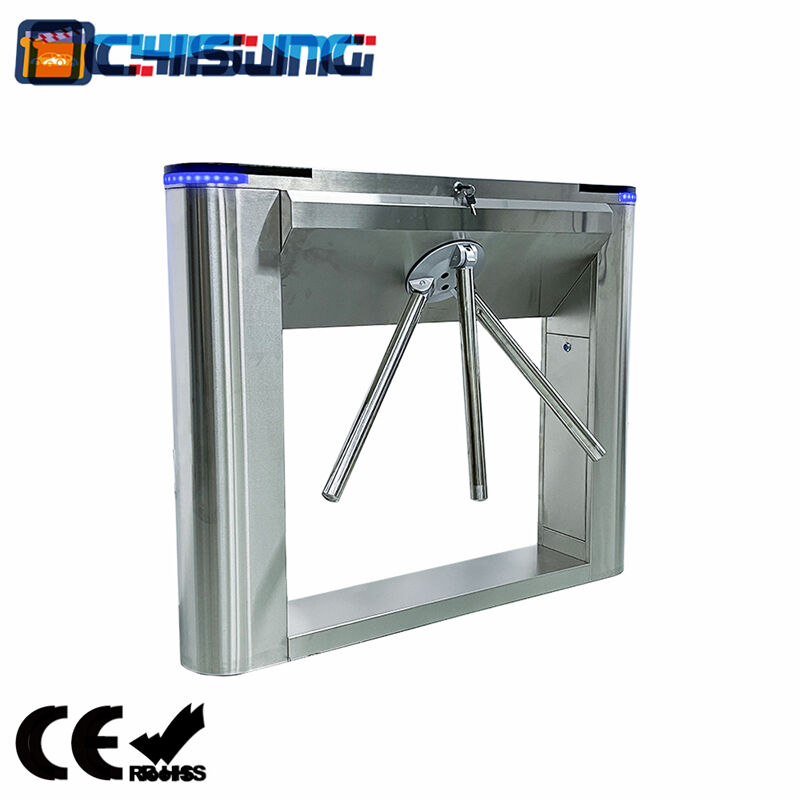
tripod turnstile gate mechanism
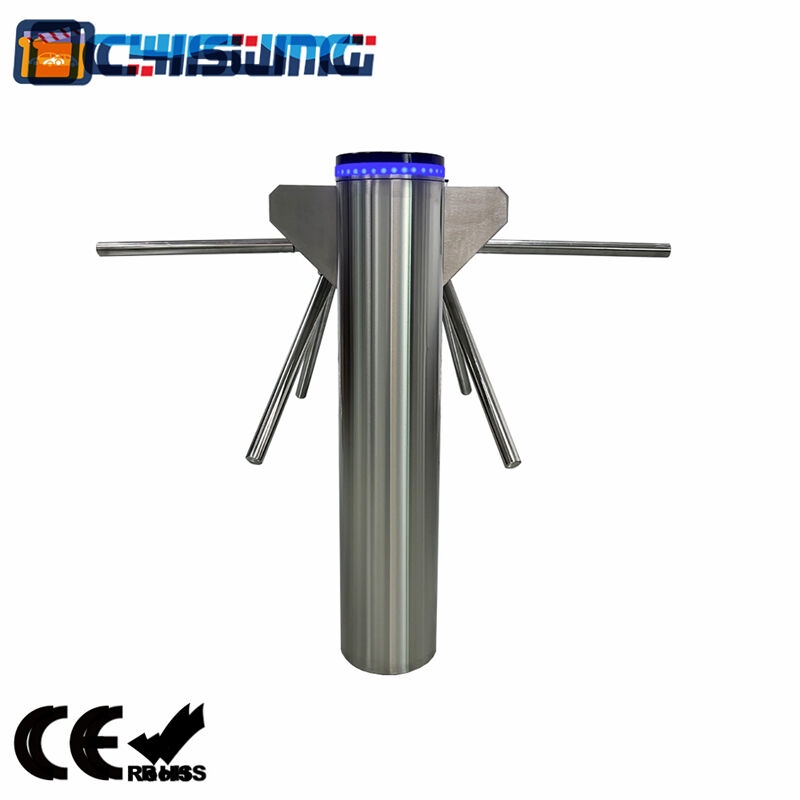
The tripod turnstile gate mechanism represents a sophisticated access control solution designed to manage pedestrian traffic in various environments. This three-arm rotating barrier system operates on a fundamental principle of allowing one person to pass through at a time, ensuring controlled and monitored entry or exit. The tripod turnstile gate mechanism consists of three evenly spaced rotating arms mounted on a central vertical post, creating a Y-shaped configuration that effectively blocks unauthorized passage while permitting legitimate users to proceed. The mechanism integrates seamlessly with electronic access control systems, including card readers, biometric scanners, and mobile credentials. When an authorized user presents valid identification, the tripod turnstile gate mechanism unlocks, allowing the arms to rotate 120 degrees before automatically locking again. This controlled rotation ensures that only one person can pass through during each authorized cycle. The tripod turnstile gate mechanism features robust construction materials, typically stainless steel or powder-coated steel, ensuring durability and weather resistance for both indoor and outdoor installations. Advanced sensors within the tripod turnstile gate mechanism detect attempts at tailgating or reverse passage, triggering alarms and preventing unauthorized access. The system supports bidirectional operation, allowing configuration for entry-only, exit-only, or dual-direction access depending on security requirements. Modern tripod turnstile gate mechanism units incorporate LED indicators, audio signals, and digital displays to provide clear user guidance and status information. The compact footprint of the tripod turnstile gate mechanism makes it suitable for installations where space is limited, while its modular design allows for easy maintenance and component replacement. Integration capabilities enable the tripod turnstile gate mechanism to connect with existing security infrastructure, access databases, and building management systems through standard communication protocols.

 EN
EN