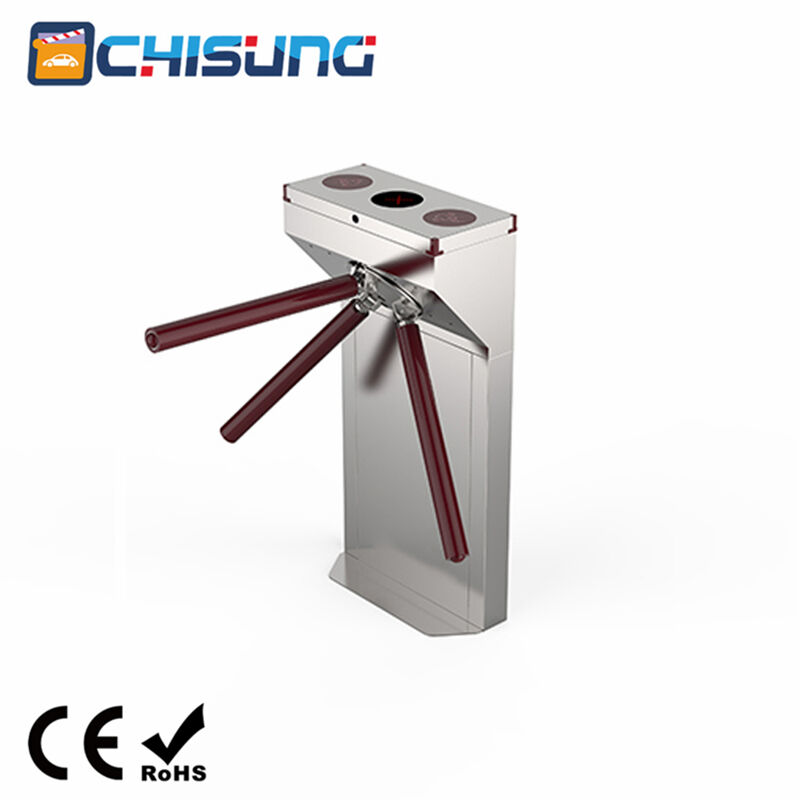
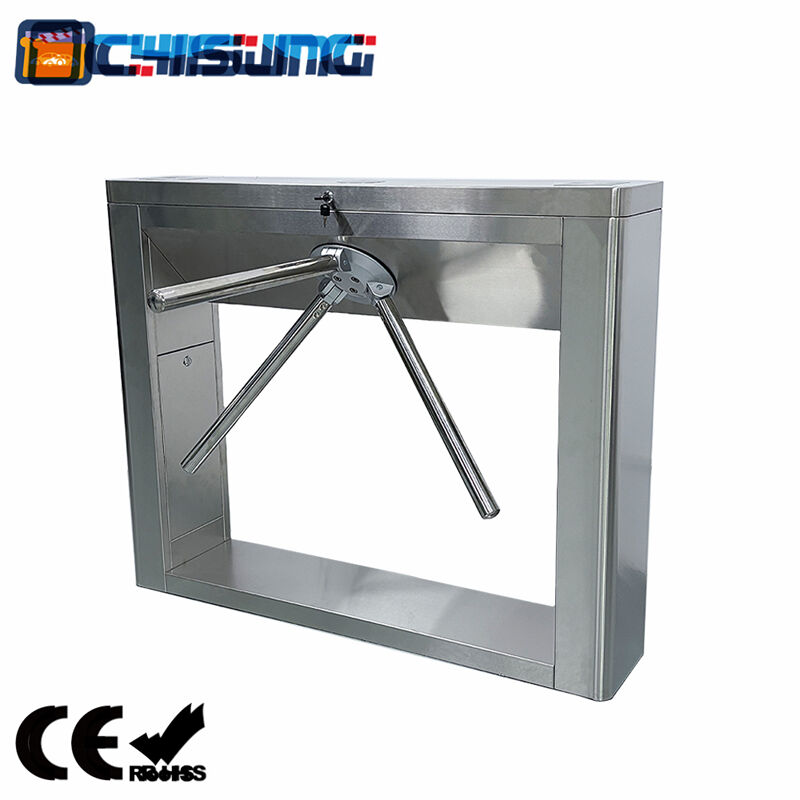
manual turnstile gate
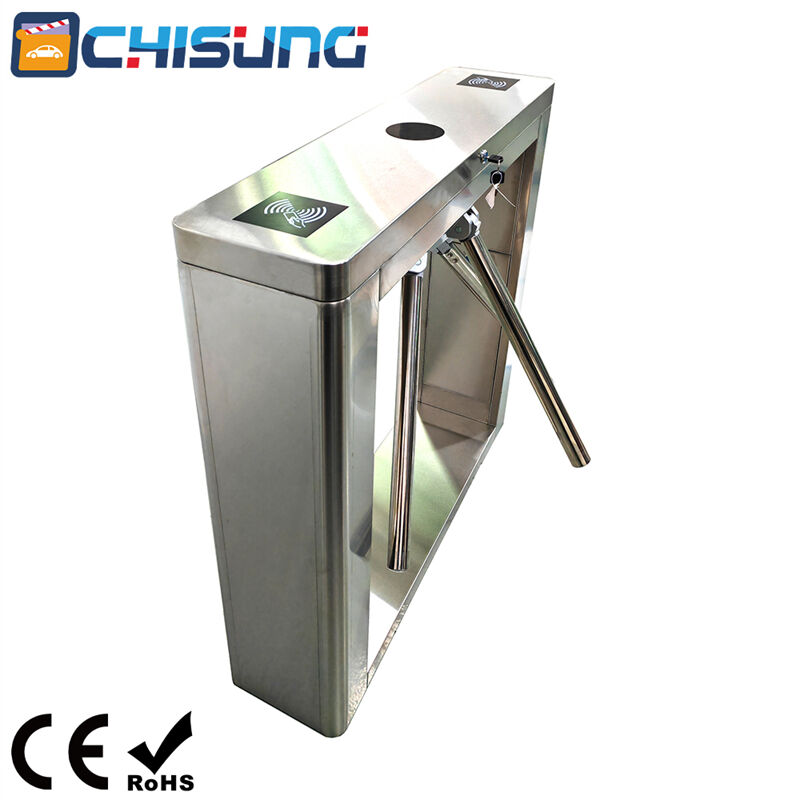
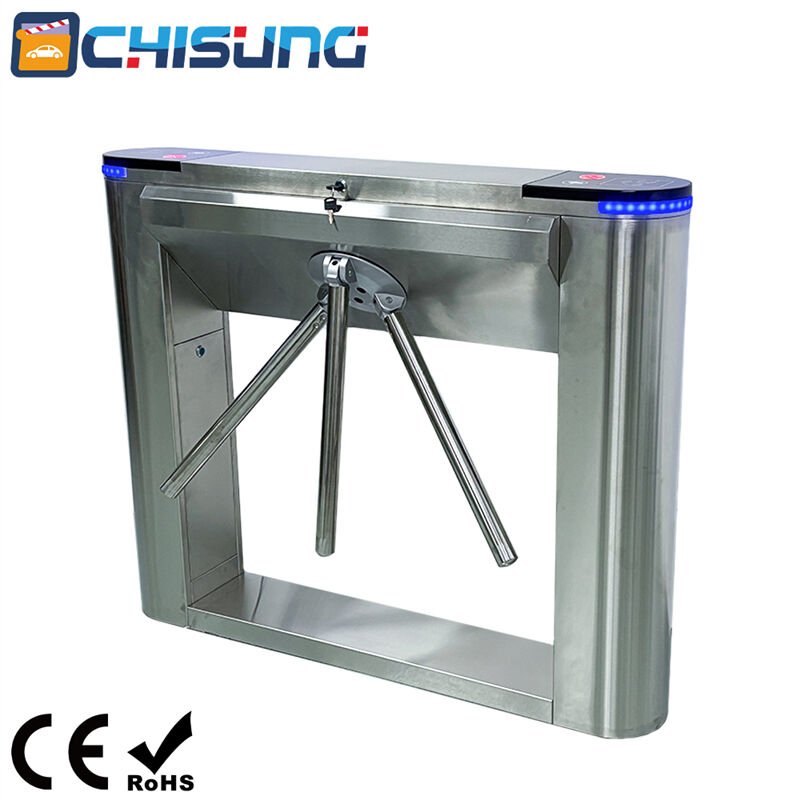
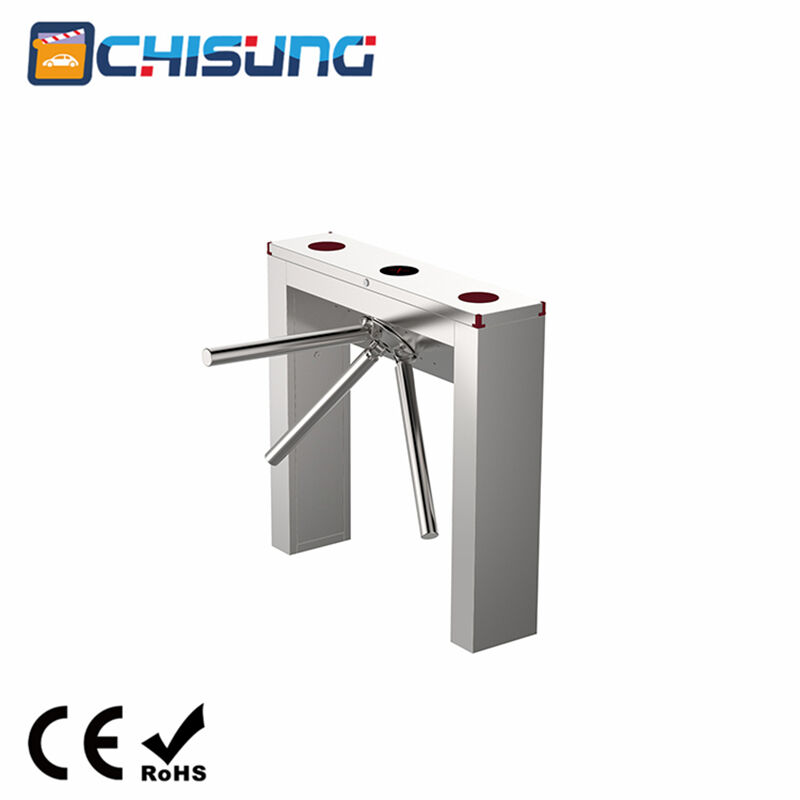
The manual turnstile gate represents a fundamental access control solution that combines simplicity with effectiveness in managing pedestrian flow. This mechanical barrier system operates without electrical components, making it an ideal choice for locations requiring reliable entry control regardless of power availability. The manual turnstile gate functions through a straightforward rotating mechanism that allows one person to pass through at a time, ensuring controlled access while maintaining security protocols. The core functionality of a manual turnstile gate centers on its three-arm rotating barrier design, which creates a physical checkpoint that individuals must navigate to gain entry or exit. This rotating mechanism can be operated in both directions, allowing bidirectional traffic flow when configured appropriately. The gate's construction typically features robust materials such as stainless steel or galvanized steel, ensuring durability against weather conditions and heavy usage. The technological features of the manual turnstile gate include precision-engineered bearings that provide smooth rotation while maintaining structural integrity. The locking mechanism can be integrated with various access control systems, including key locks, card readers, or remote activation systems. Some models incorporate counting mechanisms that track the number of people passing through, providing valuable data for facility management. The versatility of applications for manual turnstile gate installations spans numerous industries and environments. Construction sites utilize these gates to monitor worker access and ensure only authorized personnel enter restricted areas. Public facilities such as parks, recreational centers, and government buildings implement manual turnstile gate systems to regulate visitor flow and enhance security measures. Industrial facilities rely on these gates to control access to different production areas, maintaining safety standards while enabling efficient workforce movement. Transportation hubs, including bus stations and smaller transit facilities, employ manual turnstile gate solutions to manage passenger flow and integrate with ticketing systems. The reliability factor of manual turnstile gate systems makes them particularly valuable in remote locations or areas with unreliable power infrastructure, where electronic alternatives might fail to function consistently.

 EN
EN