
 EN
EN
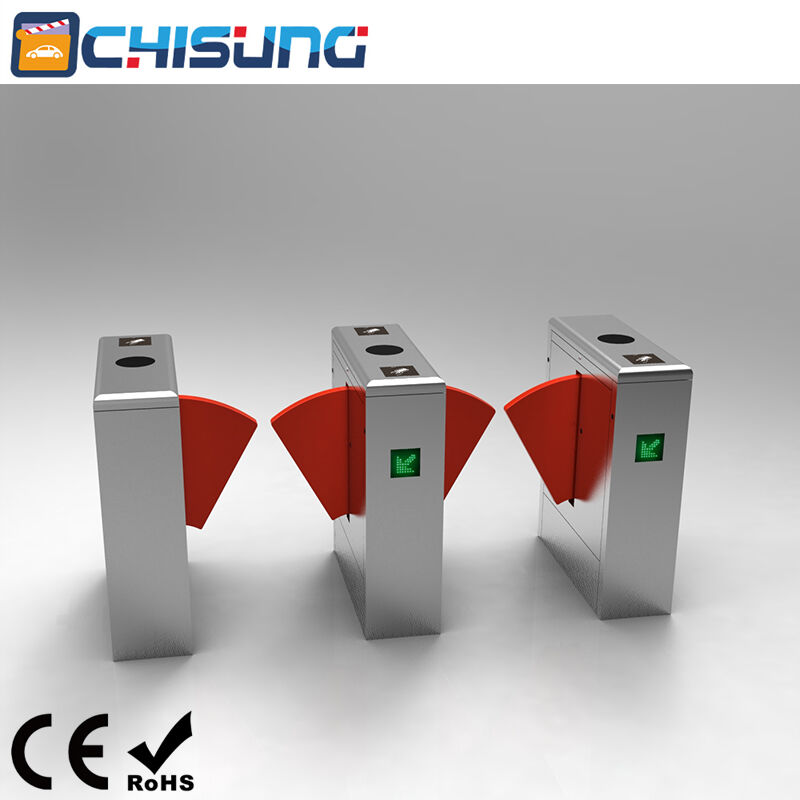
The financial planning for flap gate maintenance in 2026 requires a comprehensive understanding of various cost factors that influence the total investment required for optimal system performance. Modern pedestrian access control systems, particularly flap gate installations, demand regular upkeep to ensure seamless operation, security compliance, and longevity. Organizations across industries are increasingly recognizing that proper maintenance budgeting directly impacts operational efficiency and reduces unexpected downtime costs.
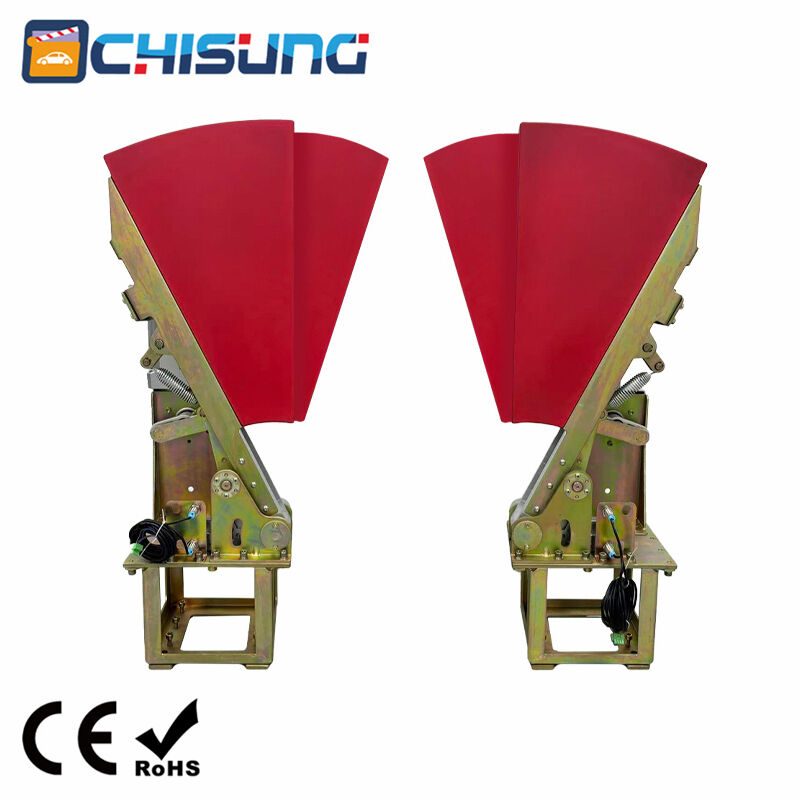
The landscape of access control maintenance has evolved significantly, with technological advancements introducing both opportunities for cost optimization and new complexity factors. Industry professionals must navigate changing supplier pricing structures, emerging component technologies, and evolving regulatory requirements that shape maintenance expenditures. Understanding these dynamics enables facility managers to develop accurate budget forecasts and make informed decisions about service contracts and internal maintenance capabilities.
Fundamental Cost Components of Flap Gate Maintenance
Labor and Service Contractor Expenses
Professional technician rates constitute the largest portion of flap gate maintenance costs, with specialized access control expertise commanding premium pricing in 2026. Certified technicians typically charge between $85-150 per hour depending on geographic location, certification levels, and complexity of the flap gate system being serviced. Emergency service calls often incur additional surcharges ranging from 50-100% above standard rates, emphasizing the importance of preventive maintenance scheduling.
Service contract structures vary significantly across providers, with comprehensive annual agreements offering better value proposition compared to reactive maintenance approaches. Most reputable contractors offer tiered service levels, from basic inspection packages starting at $1,200 annually to comprehensive coverage including parts and emergency response reaching $4,500 per flap gate unit. The complexity of multi-lane installations with integrated biometric verification systems typically increases service costs by 25-40% due to additional calibration and testing requirements.
Replacement Parts and Component Costs
Component replacement represents a significant variable cost factor in flap gate maintenance budgeting, with pricing fluctuations influenced by supply chain dynamics and technological evolution. Motor assemblies, the core mechanical component of most flap gate systems, range from $450-850 for standard units, while high-performance servo motors used in premium installations can exceed $1,200. Sensor replacements typically cost between $125-300 per unit, with advanced detection systems incorporating multiple sensing technologies commanding higher prices.
Electronic control boards and processing units represent the most expensive single components, with replacement costs ranging from $800-2,200 depending on system sophistication and integration capabilities. The emergence of IoT-enabled flap gate systems has introduced new cost considerations, as connectivity modules and wireless communication components add $200-500 to typical replacement part inventories. Facilities managing multiple units often benefit from bulk purchasing agreements, potentially reducing individual component costs by 15-25%.
Preventive Maintenance Program Investments
Scheduled Inspection and Calibration Services
Systematic preventive maintenance programs form the foundation of cost-effective flap gate operation, with regular inspection schedules preventing minor issues from escalating into expensive emergency repairs. Quarterly inspection services typically cost $200-350 per unit, covering mechanical alignment checks, sensor calibration, and software updates. These routine services often identify wear patterns and component degradation before failure occurs, enabling planned replacements during scheduled downtime rather than disruptive emergency situations.
Advanced diagnostic capabilities integrated into modern flap gate systems enable predictive maintenance approaches that optimize service timing and reduce unnecessary interventions. Remote monitoring services, available for $25-45 monthly per unit, provide real-time performance data and automated alerts for potential issues. This technology-driven approach allows maintenance teams to prioritize resources effectively and schedule interventions based on actual system condition rather than arbitrary time intervals.
Software Updates and System Enhancements
Software maintenance represents an increasingly important cost component as flap gate systems become more sophisticated and interconnected with broader security ecosystems. Annual software update packages range from $150-400 per unit, covering security patches, feature enhancements, and compatibility updates for integrated systems. Organizations utilizing centralized management platforms often pay additional licensing fees of $50-120 per unit annually for advanced reporting and analytics capabilities.
System integration maintenance becomes particularly complex in environments where flap gate systems interface with multiple security platforms, visitor management systems, and building automation networks. Professional configuration services for major software updates typically cost $200-500 per integration point, with complex installations requiring specialized expertise to maintain seamless operation across all connected systems.
Geographic and Environmental Cost Factors
Regional Service Availability and Pricing
Geographic location significantly influences flap gate maintenance costs through variations in local labor markets, service provider availability, and transportation expenses for parts and technicians. Metropolitan areas typically offer more competitive pricing due to higher technician density and established supply chains, with maintenance costs often 20-30% lower than rural or remote locations. However, premium urban markets may experience higher labor rates that offset these advantages, particularly in technology-focused regions.
International installations face additional complexity through import duties on replacement parts, currency exchange fluctuations, and extended lead times for specialized components. Organizations operating flap gate systems across multiple countries often establish regional service partnerships to minimize these cost impacts while maintaining consistent service quality standards.
Environmental Impact on Maintenance Requirements
Environmental conditions directly affect flap gate maintenance frequency and component longevity, with harsh environments accelerating wear rates and increasing overall maintenance costs. Coastal installations exposed to salt air typically require 40-60% more frequent component replacements, particularly for metal components and electronic systems sensitive to corrosion. High-traffic environments with constant pedestrian flow experience accelerated mechanical wear, necessitating more frequent motor servicing and sensor recalibration.
Climate-controlled indoor environments generally provide optimal operating conditions that minimize maintenance requirements, while outdoor installations must account for weather protection systems and seasonal adjustment procedures. Temperature extremes can affect electronic component reliability and mechanical tolerances, requiring specialized lubricants and weatherization measures that add $150-300 annually to maintenance costs per exposed unit.
Technology Evolution and Future Cost Considerations
Smart System Integration Maintenance
The integration of artificial intelligence and machine learning capabilities into modern flap gate systems introduces new maintenance paradigms that balance increased complexity with enhanced diagnostic capabilities. AI-powered systems require specialized maintenance expertise, with technician training costs ranging from $500-1,200 per individual to achieve competency in advanced diagnostics and configuration procedures.
Cloud-based management platforms offer centralized monitoring and maintenance scheduling capabilities that can reduce on-site service requirements by 25-35% through remote diagnostic and configuration capabilities. However, these systems introduce ongoing subscription costs of $15-40 monthly per unit, along with potential connectivity infrastructure investments for facilities lacking robust network capabilities.
Sustainability and Energy Efficiency Considerations
Growing emphasis on sustainability and energy efficiency drives adoption of eco-friendly flap gate systems that may require specialized maintenance procedures and components. Energy-efficient motor systems and low-power electronic components often command premium replacement costs of 15-25% above standard alternatives but provide long-term operational savings through reduced energy consumption and extended component lifecycles.
Green building certification requirements increasingly influence maintenance practices, with documented preventive maintenance programs and energy efficiency optimization becoming compliance requirements that add administrative costs but provide facility value through improved certification ratings and operational efficiency.
Cost Optimization Strategies and Best Practices
Service Contract Negotiation and Management
Strategic service contract negotiation enables organizations to optimize flap gate maintenance costs while ensuring reliable system performance and compliance with warranty requirements. Multi-year agreements often provide 10-20% cost savings compared to annual contracts, while multi-site arrangements can leverage volume purchasing power for additional reductions. Contract terms should clearly define response times, parts coverage, and escalation procedures to avoid unexpected charges during critical situations.
Performance-based maintenance contracts align service provider incentives with system reliability objectives, often resulting in improved maintenance outcomes and cost predictability. These arrangements typically include guaranteed uptime percentages and penalty clauses for service failures, providing additional protection against operational disruptions and associated business costs.
Internal Maintenance Capability Development
Organizations with multiple flap gate installations may benefit from developing internal maintenance capabilities for routine procedures, reducing dependence on external contractors for basic service requirements. Training programs for facility maintenance staff typically cost $800-1,500 per individual but enable immediate response to minor issues and reduce emergency service calls for simple problems.
Establishing strategic parts inventory for common replacement components enables faster repairs and reduces emergency procurement costs. Optimal inventory levels typically represent 3-6 months of anticipated consumption for high-wear items like sensors and mechanical components, with inventory carrying costs offset by reduced emergency service premiums and minimized downtime impacts.
FAQ
What factors most significantly impact annual flap gate maintenance costs
The primary cost drivers include system complexity and integration requirements, environmental operating conditions, service provider selection and contract terms, and the preventive versus reactive maintenance approach chosen. High-traffic installations in harsh environments with complex integration requirements typically experience maintenance costs 40-60% higher than basic indoor systems with minimal integration needs.
How do different service contract types affect overall maintenance expenses
Comprehensive service contracts with parts and labor coverage typically cost 25-35% more than basic inspection agreements but provide cost predictability and protection against major component failures. Time and materials arrangements offer lower initial costs but expose organizations to potentially significant expenses during major repairs or system failures, making them suitable primarily for newer systems under manufacturer warranty.
Can organizations reduce flap gate maintenance costs through bulk purchasing or multi-site agreements
Multi-site service agreements typically provide 15-25% cost savings through economies of scale, while bulk parts purchasing can reduce component costs by 20-30% for organizations with sufficient volume. However, these arrangements require careful coordination and may limit flexibility in service provider selection, making them most beneficial for large organizations with standardized flap gate systems across multiple locations.
What emerging technologies are likely to impact flap gate maintenance costs in the coming years
Predictive maintenance technologies using IoT sensors and AI analytics are expected to reduce emergency service requirements by 30-40% while potentially increasing system complexity and requiring specialized technician training. Additionally, modular component designs and improved diagnostic capabilities should reduce average repair times and enable more cost-effective parts replacement strategies throughout the system lifecycle.
Table of Contents
- Fundamental Cost Components of Flap Gate Maintenance
- Preventive Maintenance Program Investments
- Geographic and Environmental Cost Factors
- Technology Evolution and Future Cost Considerations
- Cost Optimization Strategies and Best Practices
-
FAQ
- What factors most significantly impact annual flap gate maintenance costs
- How do different service contract types affect overall maintenance expenses
- Can organizations reduce flap gate maintenance costs through bulk purchasing or multi-site agreements
- What emerging technologies are likely to impact flap gate maintenance costs in the coming years