Manual Turnstile Gate Systems: Reliable Mechanical Access Control Solutions

All Categories

Get a Free Quote

Our representative will contact you soon.
Email
Mobile/WhatsApp
Name
Company Name
Message
0/1000

manual turnstile gate

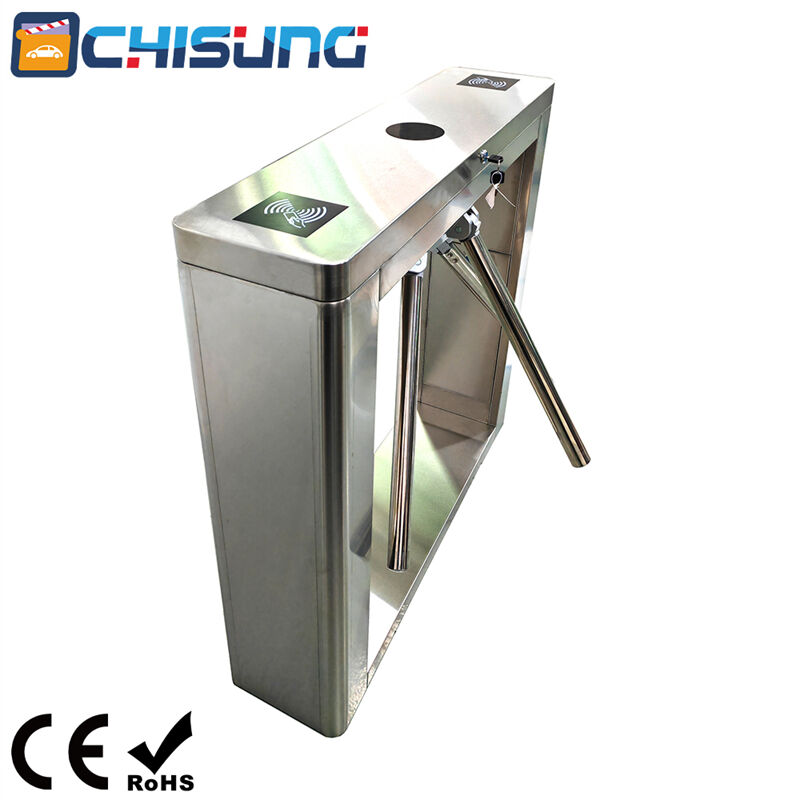
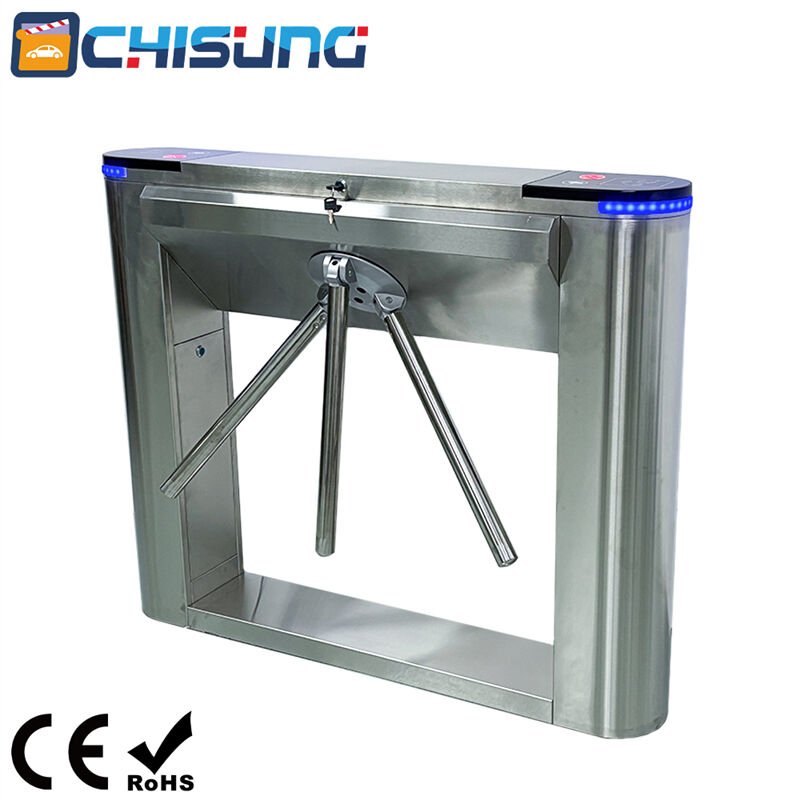
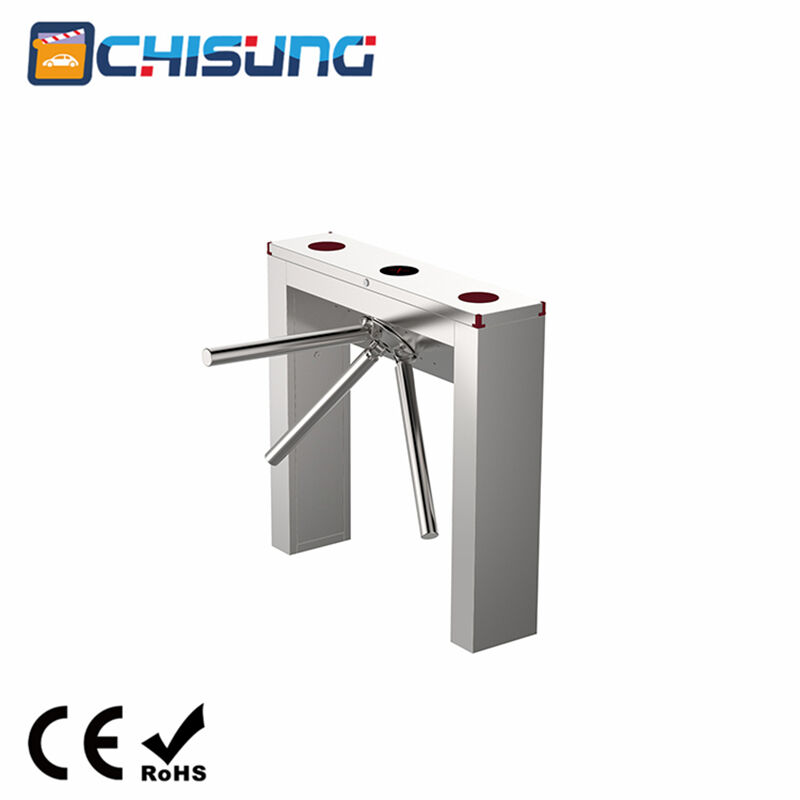
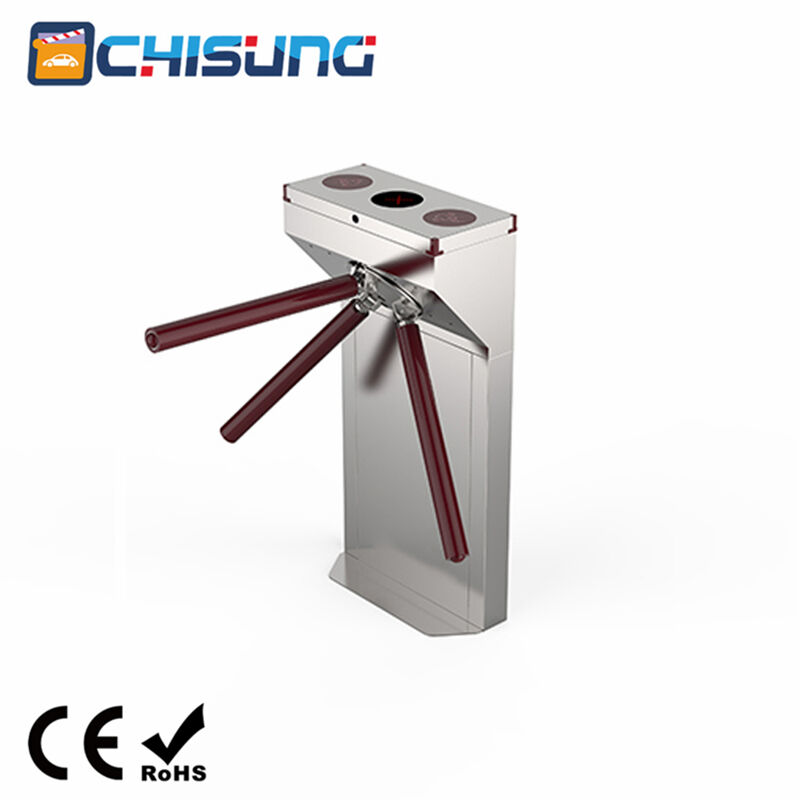
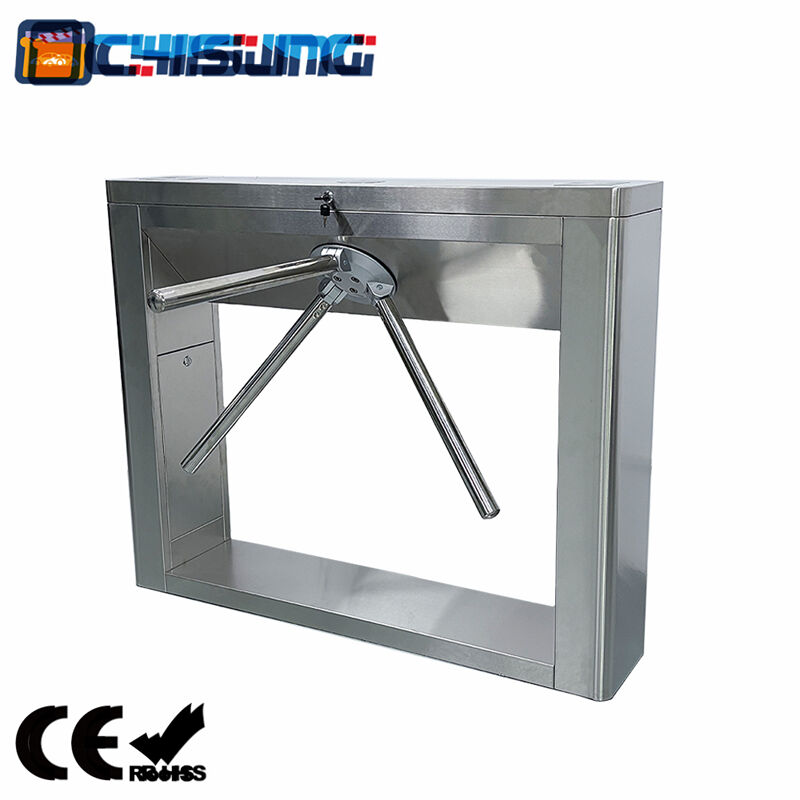
The manual turnstile gate represents a fundamental access control solution that combines simplicity with effectiveness in managing pedestrian flow. This mechanical barrier system operates without electrical components, making it an ideal choice for locations requiring reliable entry control regardless of power availability. The manual turnstile gate functions through a straightforward rotating mechanism that allows one person to pass through at a time, ensuring controlled access while maintaining security protocols. The core functionality of a manual turnstile gate centers on its three-arm rotating barrier design, which creates a physical checkpoint that individuals must navigate to gain entry or exit. This rotating mechanism can be operated in both directions, allowing bidirectional traffic flow when configured appropriately. The gate's construction typically features robust materials such as stainless steel or galvanized steel, ensuring durability against weather conditions and heavy usage. The technological features of the manual turnstile gate include precision-engineered bearings that provide smooth rotation while maintaining structural integrity. The locking mechanism can be integrated with various access control systems, including key locks, card readers, or remote activation systems. Some models incorporate counting mechanisms that track the number of people passing through, providing valuable data for facility management. The versatility of applications for manual turnstile gate installations spans numerous industries and environments. Construction sites utilize these gates to monitor worker access and ensure only authorized personnel enter restricted areas. Public facilities such as parks, recreational centers, and government buildings implement manual turnstile gate systems to regulate visitor flow and enhance security measures. Industrial facilities rely on these gates to control access to different production areas, maintaining safety standards while enabling efficient workforce movement. Transportation hubs, including bus stations and smaller transit facilities, employ manual turnstile gate solutions to manage passenger flow and integrate with ticketing systems. The reliability factor of manual turnstile gate systems makes them particularly valuable in remote locations or areas with unreliable power infrastructure, where electronic alternatives might fail to function consistently.

New Product Releases

Manual turnstile gate systems offer exceptional cost-effectiveness compared to their electronic counterparts, eliminating the need for complex wiring, power connections, and ongoing electrical maintenance. This fundamental advantage translates into significant savings for organizations seeking reliable access control without substantial upfront investment or recurring operational costs. The mechanical nature of the manual turnstile gate means fewer components can malfunction, reducing maintenance requirements and associated expenses over the system's operational lifetime. Installation simplicity represents another crucial advantage of manual turnstile gate systems, as they require minimal infrastructure preparation and can be deployed quickly without specialized electrical work. Organizations can implement these solutions in locations where running electrical power would be impractical or expensive, expanding the potential applications significantly. The straightforward installation process reduces project timelines and labor costs, making manual turnstile gate systems attractive for temporary installations or locations requiring rapid deployment. Reliability stands as a cornerstone advantage of manual turnstile gate technology, functioning consistently regardless of power outages, electrical failures, or adverse weather conditions. This dependability ensures continuous access control even during emergencies when electronic systems might fail, maintaining security protocols when they are most needed. The mechanical operation eliminates concerns about software bugs, system crashes, or compatibility issues that can plague electronic alternatives. Durability represents a significant long-term advantage, as manual turnstile gate construction emphasizes robust materials and simple mechanisms designed to withstand heavy usage and environmental challenges. The absence of electronic components means no susceptibility to electromagnetic interference, power surges, or moisture damage that could compromise electronic systems. This inherent resilience makes manual turnstile gate solutions ideal for outdoor applications and harsh industrial environments. User-friendly operation ensures that people can navigate the manual turnstile gate without training or technical knowledge, reducing confusion and improving traffic flow efficiency. The intuitive design accommodates users of varying physical abilities and ages, promoting accessibility while maintaining security effectiveness. Maintenance simplicity allows facility staff to perform basic upkeep without specialized technical training, reducing dependence on external service providers and associated costs. The manual turnstile gate system's modular design enables easy replacement of worn components without requiring complete system overhaul, extending operational life and maximizing return on investment.

Latest News

How much does boom barrier gate installation cost in 2026?

02

Feb

How much does boom barrier gate installation cost in 2026?

Understanding the comprehensive cost structure of boom barrier gate installation is essential for property managers, security professionals, and business owners planning automated access control systems in 2026. The investment in a boom barrier gate ...
View More
How much does flap gate maintenance cost in 2026?

04

Feb

How much does flap gate maintenance cost in 2026?

The financial planning for flap gate maintenance in 2026 requires a comprehensive understanding of various cost factors that influence the total investment required for optimal system performance. Modern pedestrian access control systems, particularl...
View More
When should you upgrade to smart boom barrier gate in 2026?

09

Feb

When should you upgrade to smart boom barrier gate in 2026?

The modern parking and access control landscape is rapidly evolving, with traditional manual systems giving way to intelligent automation solutions. As we approach 2026, facility managers and property owners are increasingly recognizing the need to u...
View More
When should you upgrade your tripod turnstile in 2026?

26

Feb

When should you upgrade your tripod turnstile in 2026?

The decision to upgrade your tripod turnstile system in 2026 requires careful consideration of multiple factors including technological advancements, security requirements, and operational efficiency. As organizations continue to prioritize access co...
View More

Get a Free Quote

Our representative will contact you soon.
Email
Mobile/WhatsApp
Name
Company Name
Message
0/1000

manual turnstile gate

Unmatched Reliability and Zero Power Dependency

Unmatched Reliability and Zero Power Dependency

The manual turnstile gate system delivers unparalleled reliability through its completely mechanical operation, eliminating any dependence on electrical power or complex electronic components that could potentially fail. This fundamental design advantage ensures continuous operation regardless of power outages, electrical storms, or infrastructure failures that commonly affect electronic access control systems. Organizations investing in manual turnstile gate technology gain peace of mind knowing their access control remains functional during emergencies when security becomes most critical. The mechanical nature of these systems means they continue operating even in extreme weather conditions, from freezing temperatures that might affect electronic sensors to humid environments that could damage circuit boards. This reliability factor becomes particularly valuable for facilities operating in remote locations where power supply may be inconsistent or unavailable altogether. The manual turnstile gate system's independence from electrical infrastructure enables deployment in locations previously unsuitable for access control, expanding security capabilities to construction sites, outdoor events, and temporary installations. The robust mechanical construction utilizes high-quality bearings and precision-engineered components that maintain smooth operation across thousands of cycles without degradation. Unlike electronic systems requiring regular software updates, calibration, or component replacement due to technological obsolescence, the manual turnstile gate maintains consistent performance throughout its extended operational life. This reliability translates into predictable operational costs and eliminates unexpected downtime that could compromise security or disrupt business operations. Emergency preparedness benefits significantly from manual turnstile gate installations, as these systems continue functioning when electronic alternatives fail during critical situations. Organizations can maintain controlled access during power outages, natural disasters, or other emergency scenarios where maintaining security perimeters becomes essential for safety and asset protection. The mechanical operation also eliminates concerns about electromagnetic interference from nearby equipment or radio frequencies that might disrupt electronic access control systems.
Cost-Effective Security Solution with Minimal Maintenance

Cost-Effective Security Solution with Minimal Maintenance

The manual turnstile gate system represents an exceptionally cost-effective security solution that delivers professional-grade access control while minimizing both initial investment and ongoing operational expenses. Unlike electronic alternatives requiring substantial upfront costs for control panels, wiring, programming, and integration, the manual turnstile gate system offers a streamlined approach that achieves security objectives without complex infrastructure requirements. This cost advantage becomes particularly significant for organizations managing multiple entry points or large facilities where electronic systems would require extensive wiring and control equipment. The absence of electrical components eliminates the need for specialized installation contractors, reducing project costs and enabling faster deployment. Organizations can achieve immediate return on investment through reduced installation complexity and accelerated implementation timelines. Maintenance requirements for manual turnstile gate systems remain minimal compared to electronic alternatives, with routine upkeep involving basic lubrication and visual inspections rather than specialized technical service calls. The mechanical design eliminates concerns about software licensing fees, system upgrades, or technology refresh cycles that add ongoing costs to electronic access control systems. Facility maintenance teams can handle most service requirements using standard tools and basic mechanical knowledge, eliminating dependence on specialized technicians or vendor service contracts. This independence reduces lifecycle costs significantly while ensuring consistent system availability. The durable construction of manual turnstile gate systems extends operational life well beyond typical electronic alternatives, often providing decades of reliable service with minimal component replacement. When maintenance becomes necessary, individual components can be serviced or replaced without affecting the entire system, avoiding costly complete system replacements common with integrated electronic solutions. The simplicity of manual turnstile gate operation reduces training requirements for facility staff and end users, eliminating costs associated with user education or system administration. Organizations benefit from predictable operational costs without unexpected expenses from system failures, software issues, or technology compatibility problems that frequently affect electronic access control installations.
Versatile Design Adaptable to Diverse Applications

Versatile Design Adaptable to Diverse Applications

The manual turnstile gate system showcases remarkable versatility through its adaptable design that accommodates diverse applications across multiple industries and environments. This flexibility stems from the modular construction approach that enables customization for specific operational requirements while maintaining core functionality and security effectiveness. Organizations can configure manual turnstile gate systems for various traffic patterns, from high-volume pedestrian areas requiring rapid throughput to sensitive locations demanding enhanced security verification. The adaptable mounting options support both permanent installations and temporary deployments, making manual turnstile gate solutions ideal for evolving facility needs or seasonal applications. Surface mounting, in-ground installation, and portable configurations provide flexibility for different site conditions and architectural requirements. The robust design accommodates integration with existing security infrastructure, including fencing systems, building entrances, and perimeter control measures without requiring extensive modifications to current structures. Material options enable manual turnstile gate systems to complement various architectural styles and environmental conditions, from stainless steel finishes for modern commercial buildings to powder-coated options for industrial applications. The height and arm length can be customized to address specific security requirements and user accessibility needs, ensuring compliance with safety regulations while maintaining effective access control. Bidirectional operation capabilities allow manual turnstile gate systems to manage traffic flow in both directions, eliminating the need for separate entry and exit points in space-constrained environments. This functionality proves particularly valuable for facilities requiring flexible access patterns or emergency evacuation procedures. The mechanical design accommodates various access control integration options, from simple key locks to card reader systems, enabling manual turnstile gate installations to work within existing security protocols. Counting mechanisms can be incorporated to provide traffic data without requiring electronic power, supporting facility management decisions and security monitoring requirements. Weather-resistant construction ensures reliable operation across diverse climatic conditions, making manual turnstile gate systems suitable for both indoor and outdoor applications without performance degradation. The scalable nature of these systems allows organizations to expand access control coverage incrementally, adding units as facility requirements grow without significant infrastructure modifications or system integration challenges.

Get a Free Quote

Our representative will contact you soon.
Email
Mobile/WhatsApp
Name
Company Name
Message
0/1000
Newsletter
Please Leave A Message With Us