Advanced Biometric Integration for Maximum Security
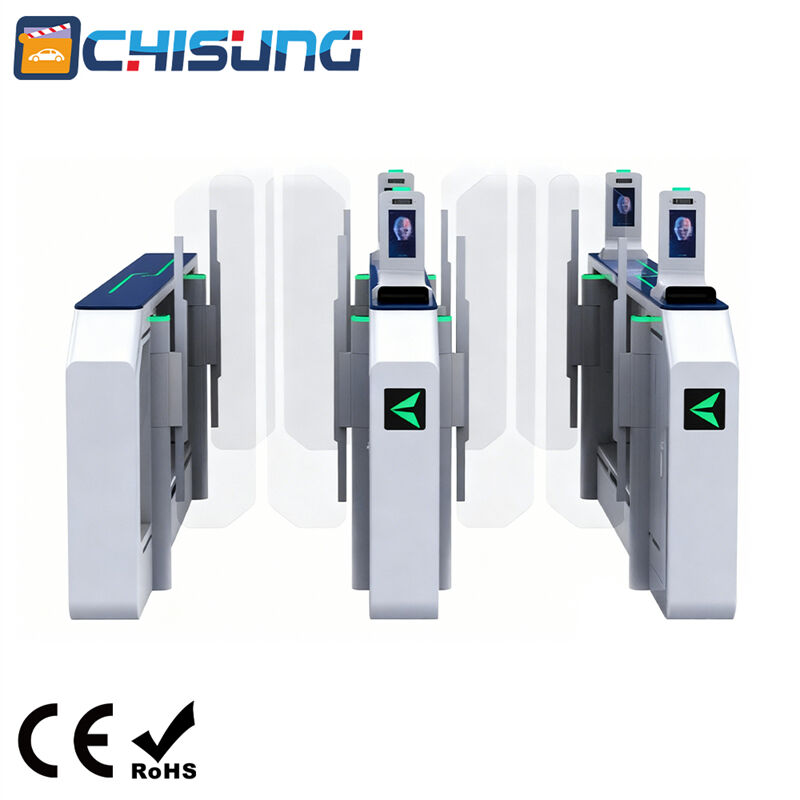
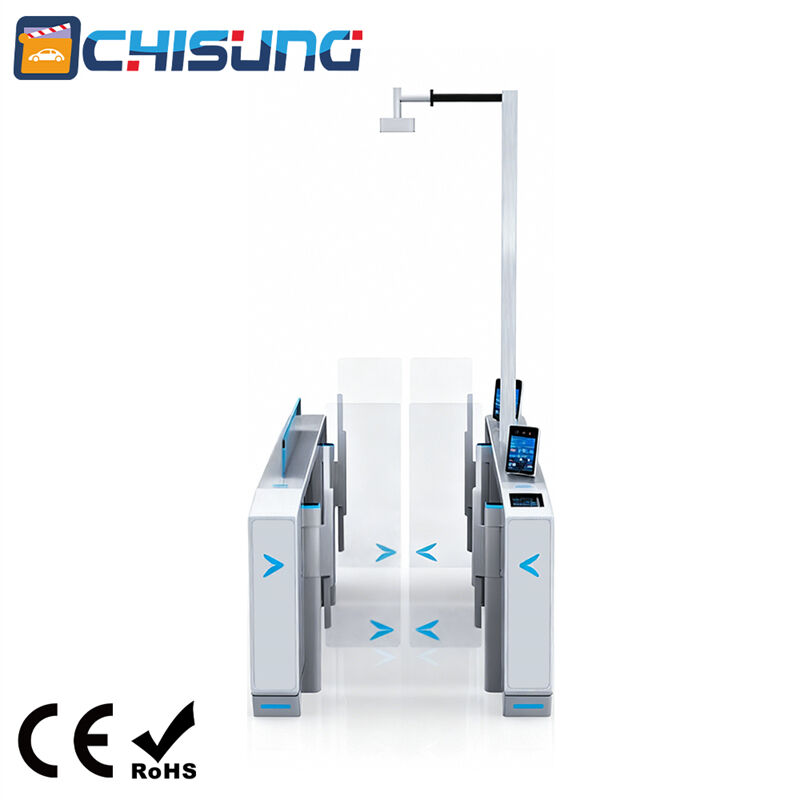
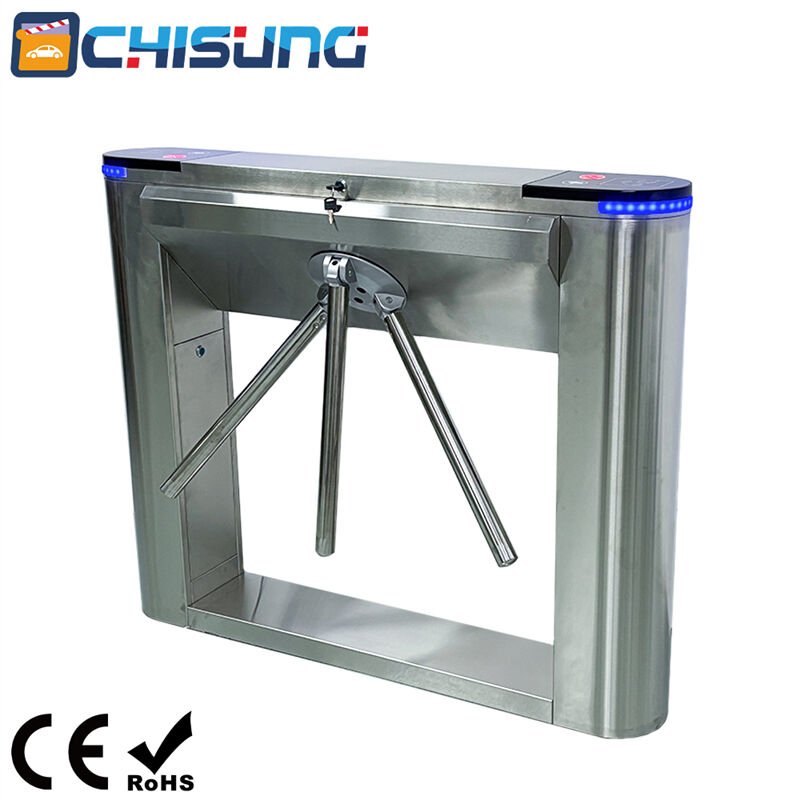
The swing barrier gate turnstile incorporates state-of-the-art biometric authentication technology that revolutionizes access control security standards. This sophisticated integration supports multiple biometric modalities including fingerprint recognition, facial recognition, iris scanning, and palm vein authentication, creating an virtually impenetrable security barrier against unauthorized access attempts. The biometric sensors utilize advanced algorithms that can accurately identify individuals even in challenging lighting conditions or when users wear glasses, masks, or other facial accessories. The system maintains an extensive biometric database that can store thousands of user profiles while ensuring rapid authentication processing within milliseconds. Anti-spoofing technology prevents fraudulent access attempts using photographs, silicone replicas, or other deceptive methods, ensuring that only living, authorized individuals can gain entry. The swing barrier gate turnstile biometric system operates independently of external networks, maintaining security integrity even during connectivity issues or cyber attacks targeting networked systems. Machine learning capabilities continuously improve recognition accuracy by adapting to changes in user appearance over time, reducing false rejections while maintaining security standards. The multi-factor authentication approach combines biometric verification with traditional methods like access cards or PIN codes, creating layered security that significantly exceeds single-method systems. Privacy protection features ensure that biometric data remains encrypted and secure, complying with international data protection regulations and organizational privacy policies. The system provides detailed audit trails that track all authentication attempts, successful entries, and security incidents, enabling comprehensive security analysis and compliance reporting. Backup authentication methods ensure continued operation even if primary biometric sensors require maintenance, preventing operational disruptions while maintaining security protocols. The scalable biometric database architecture supports organizational growth and can accommodate thousands of users across multiple locations with centralized management capabilities.

 EN
EN