gsm door opener
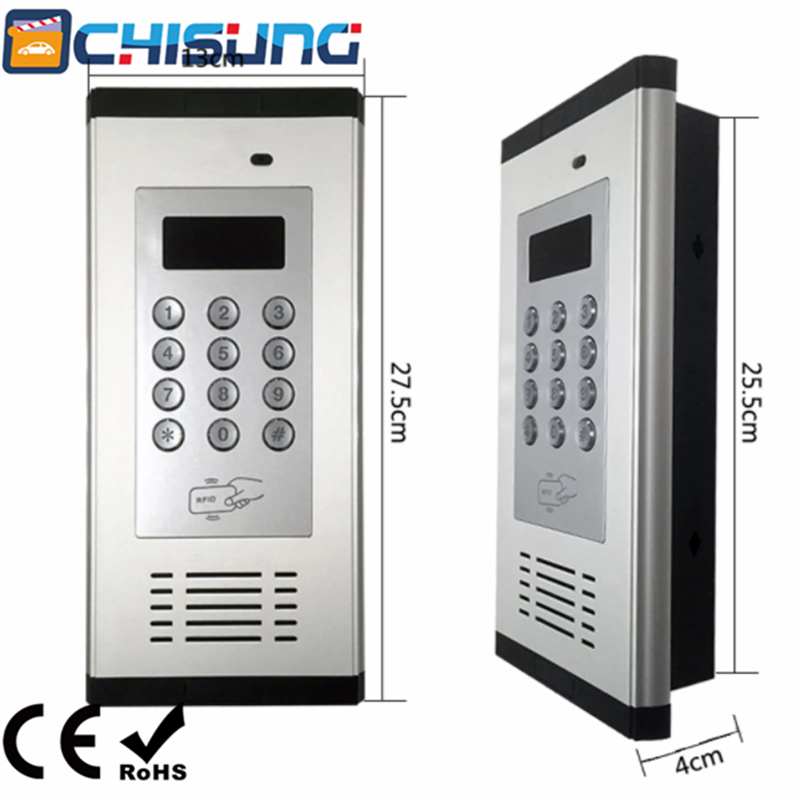
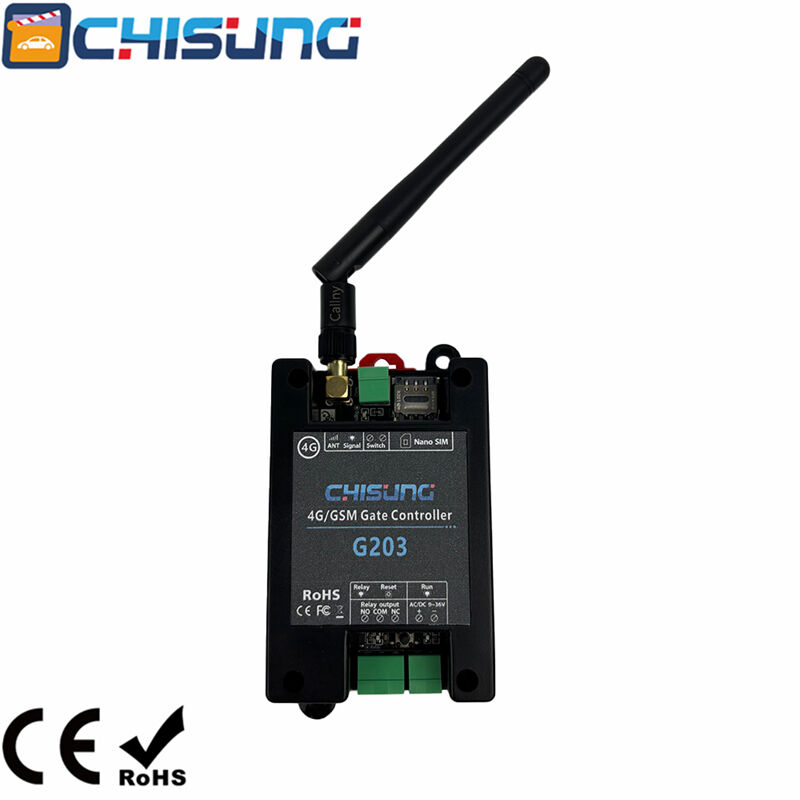
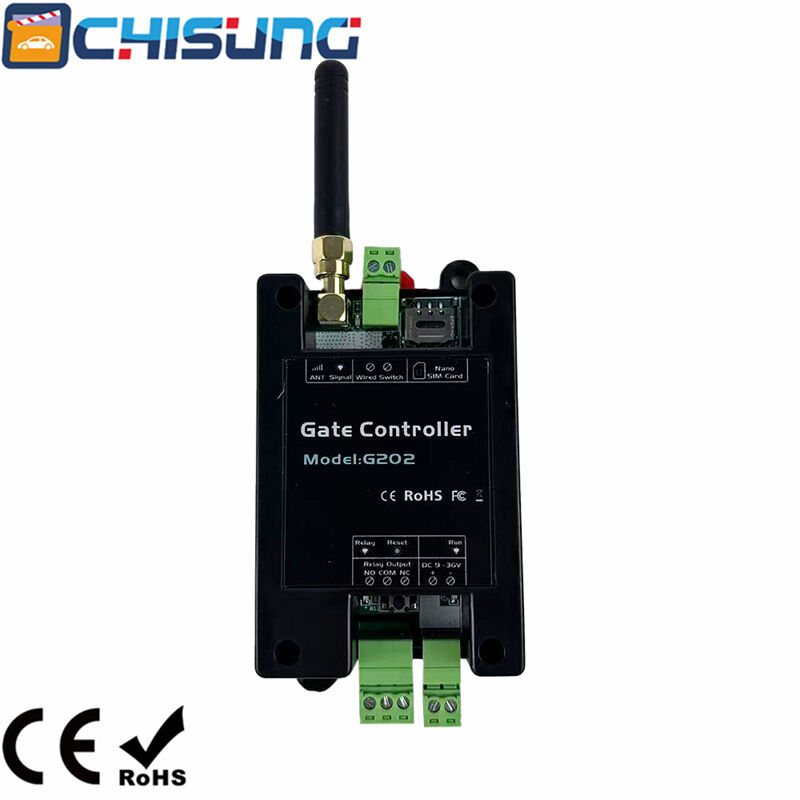
The GSM door opener represents a revolutionary advancement in remote access control technology, utilizing cellular network connectivity to enable secure and convenient door operation from virtually anywhere in the world. This innovative device combines traditional door opening mechanisms with modern GSM communication protocols, creating a sophisticated solution for residential, commercial, and industrial applications. At its core, the GSM door opener functions as a bridge between mobile communication networks and physical access control systems, allowing users to operate doors, gates, and barriers through simple phone calls or text messages. The system integrates seamlessly with existing door hardware while adding intelligent connectivity features that transform standard entry points into smart access solutions. The technological foundation of the GSM door opener relies on embedded cellular modems that maintain constant communication with mobile networks, ensuring reliable connectivity regardless of location constraints. These devices typically feature robust construction designed to withstand various environmental conditions while maintaining consistent performance. The primary functions include remote door activation through mobile phone calls, SMS-based control commands, and real-time status monitoring capabilities. Advanced models incorporate multiple communication protocols, supporting both voice calls and data transmission for enhanced functionality. Installation flexibility represents another key aspect, as these systems can be retrofitted to existing door mechanisms or integrated into new construction projects. The GSM door opener supports various authentication methods, from simple phone number recognition to complex multi-factor verification processes. Power management systems ensure continuous operation even during electrical outages, with backup battery solutions providing extended functionality. The device maintains detailed access logs, recording all activation attempts with timestamp and caller identification information. Configuration options allow administrators to customize operational parameters, including authorized phone numbers, activation schedules, and security protocols. Remote programming capabilities enable system updates and modifications without physical access to the installation site.

 EN
EN