gsm gate opener
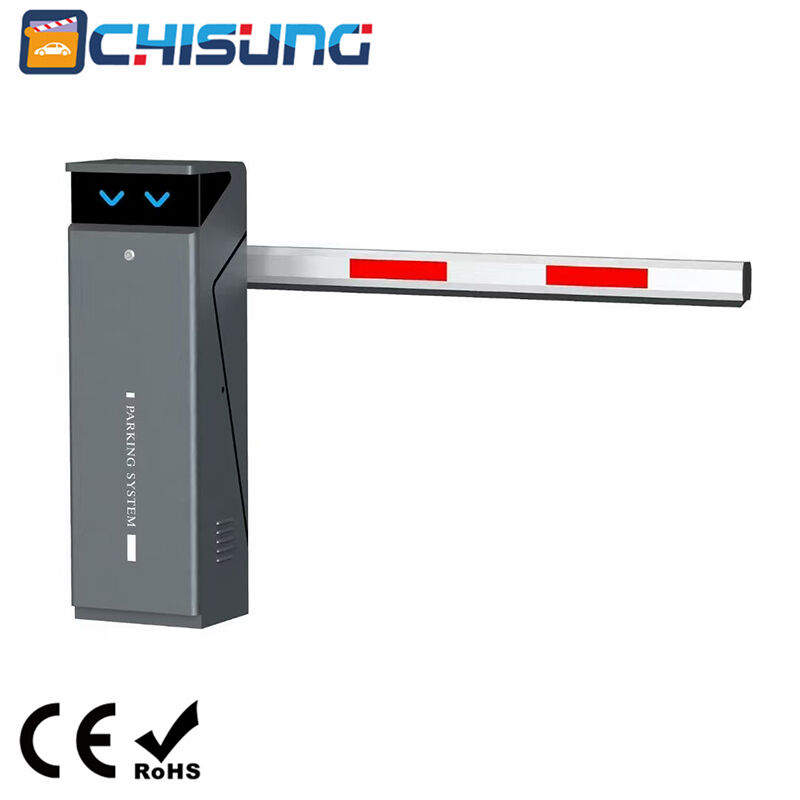
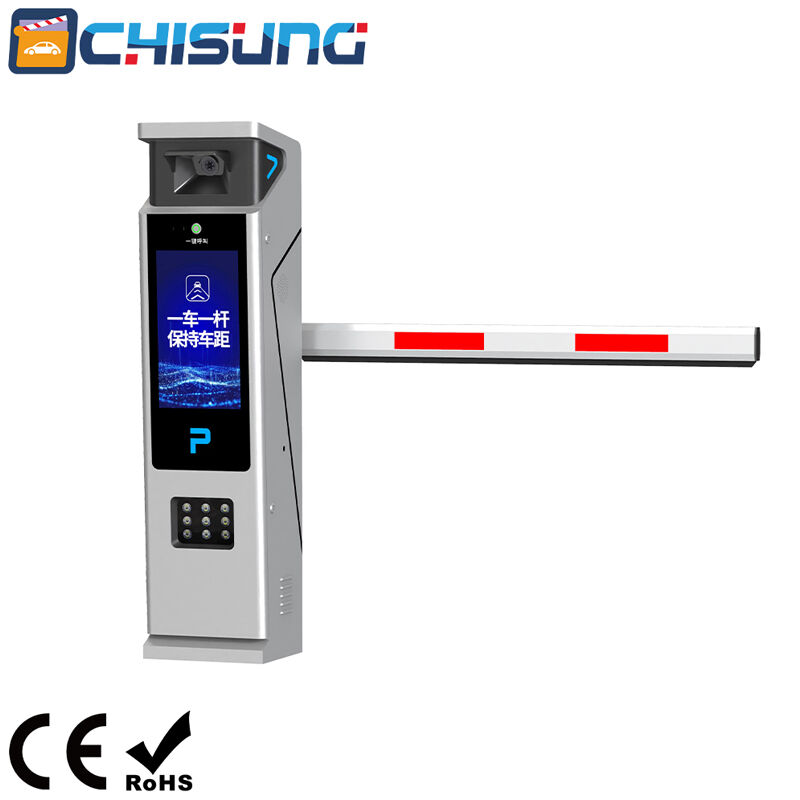
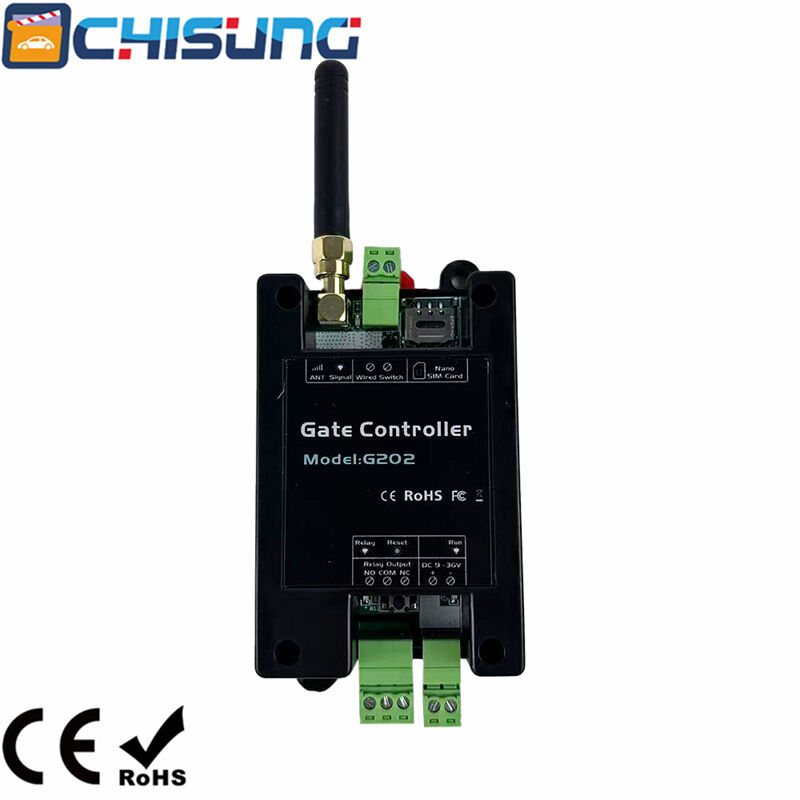
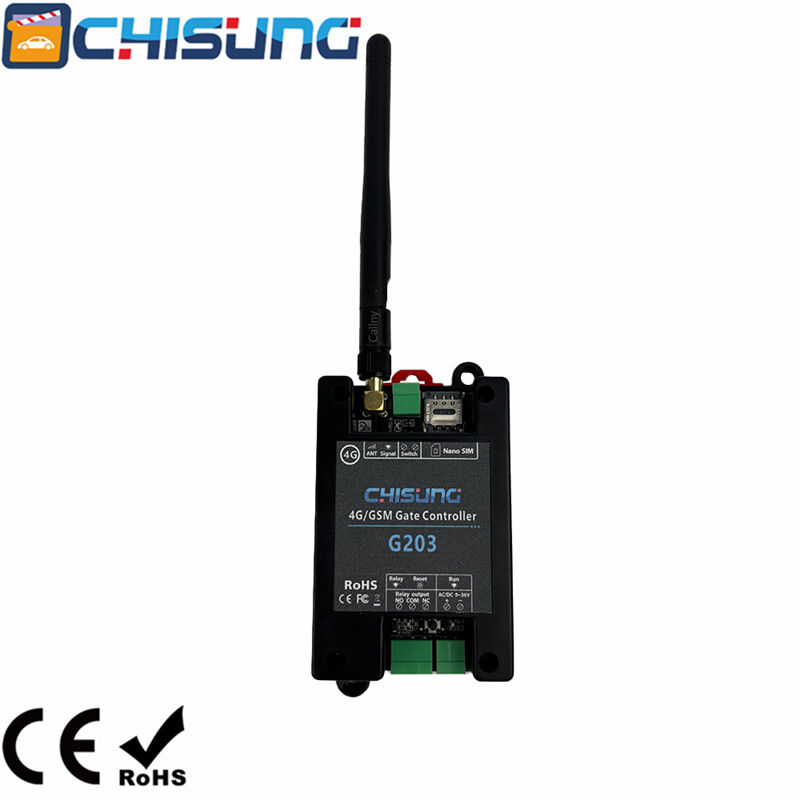
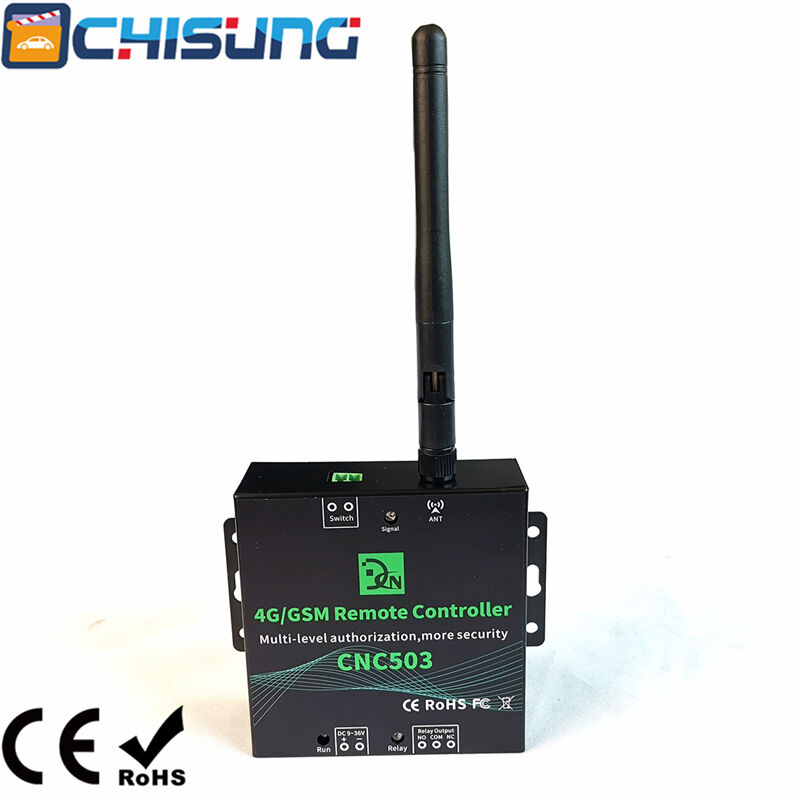
The GSM gate opener represents a revolutionary advancement in automated gate control technology, offering property owners unprecedented convenience and security through cellular network connectivity. This sophisticated device utilizes Global System for Mobile Communications technology to enable remote gate operation from virtually anywhere with cellular coverage. Unlike traditional gate openers that require physical proximity or line-of-sight infrared remotes, the GSM gate opener eliminates distance limitations by leveraging existing mobile phone networks. The system operates through a simple phone call or SMS message, making it accessible to users regardless of their technical expertise. The GSM gate opener integrates seamlessly with existing gate mechanisms, whether swing gates, sliding gates, or barrier systems. Its robust construction ensures reliable performance in various weather conditions, while the cellular connectivity provides consistent operation even during power outages when equipped with backup battery systems. The device features multiple user authorization levels, allowing property owners to grant different access permissions to family members, employees, visitors, and service personnel. Advanced models include real-time notification capabilities, sending instant alerts when the gate operates or when unauthorized access attempts occur. The GSM gate opener supports both voice calls and text message commands, providing flexibility for users who prefer different communication methods. Installation typically requires minimal modifications to existing gate systems, making it a cost-effective upgrade for properties seeking enhanced access control. The technology proves particularly valuable for remote properties, gated communities, industrial facilities, and residential homes where traditional remote controls fall short. Modern GSM gate openers incorporate smart features such as scheduled access times, temporary access codes, and integration with home automation systems, positioning them as essential components of contemporary security infrastructure.

 EN
EN