turnstile gate price
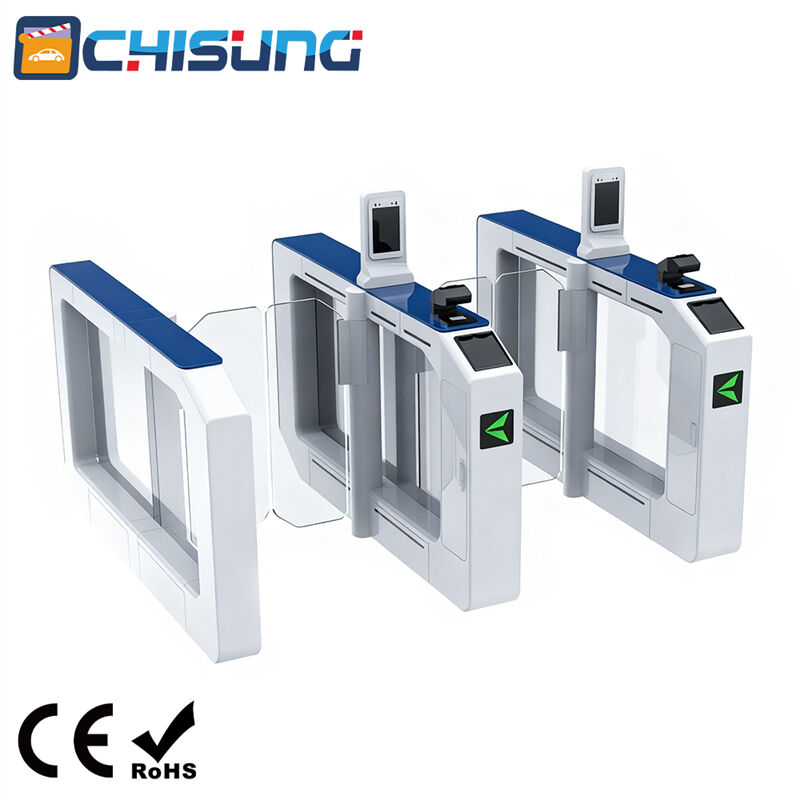
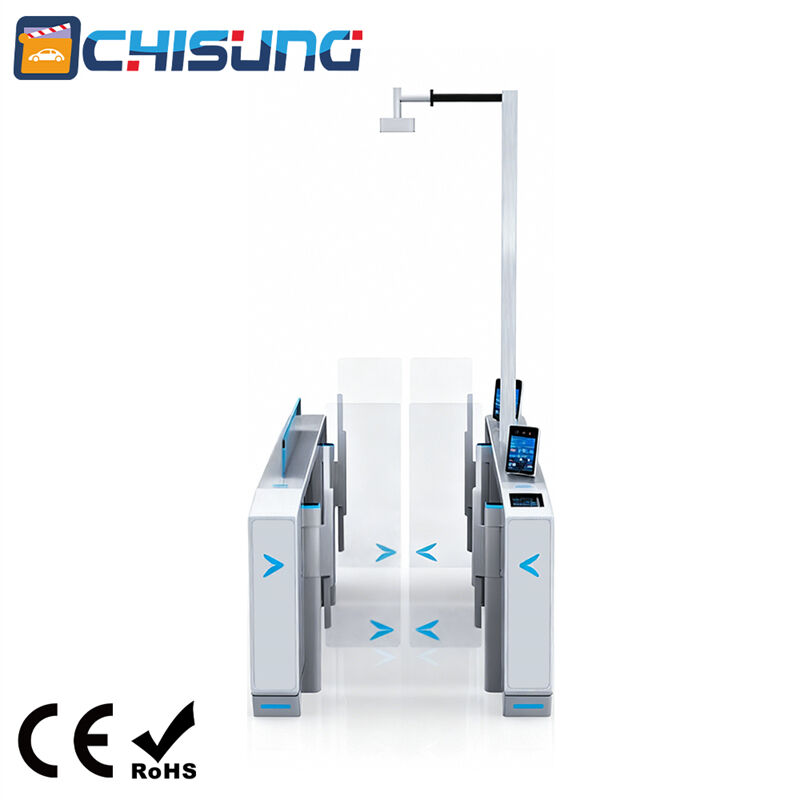
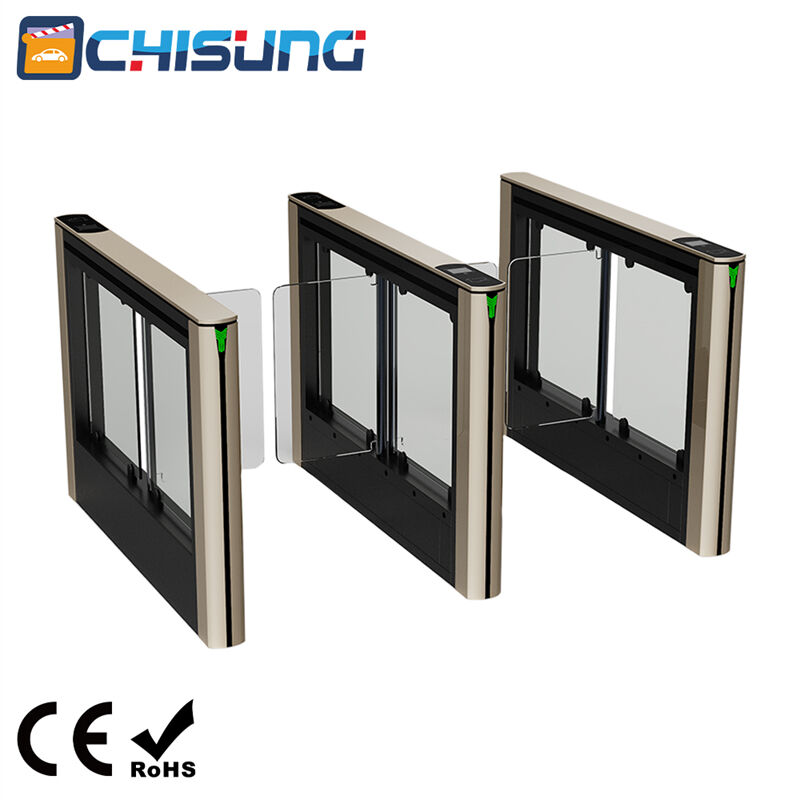
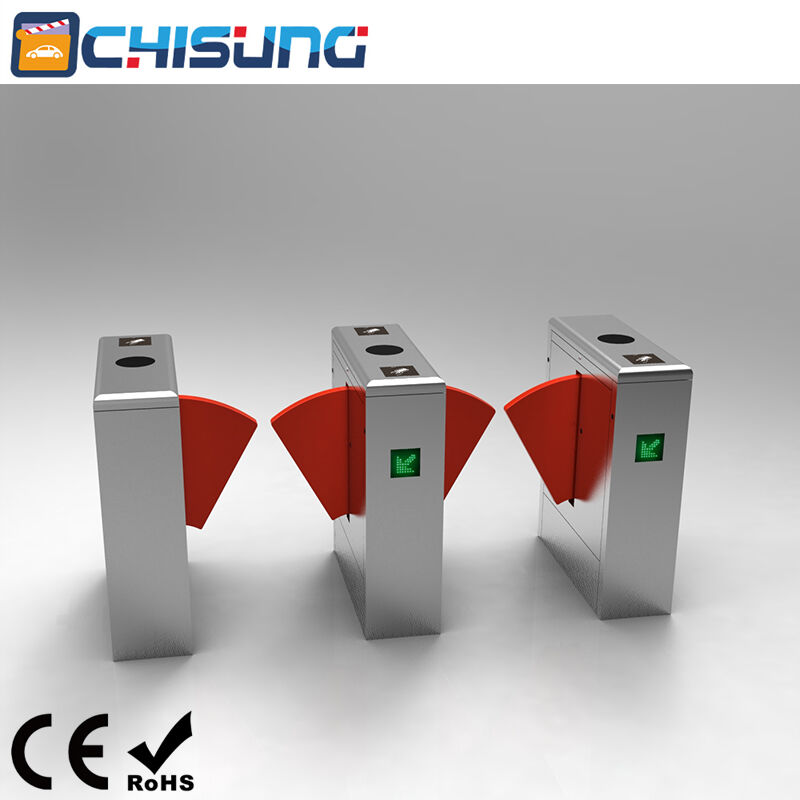
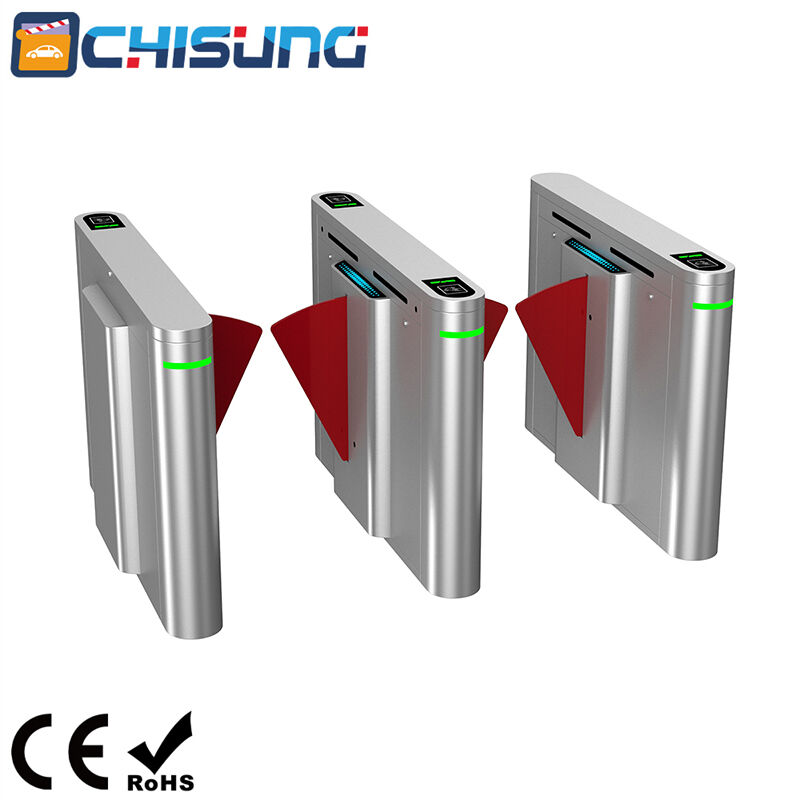
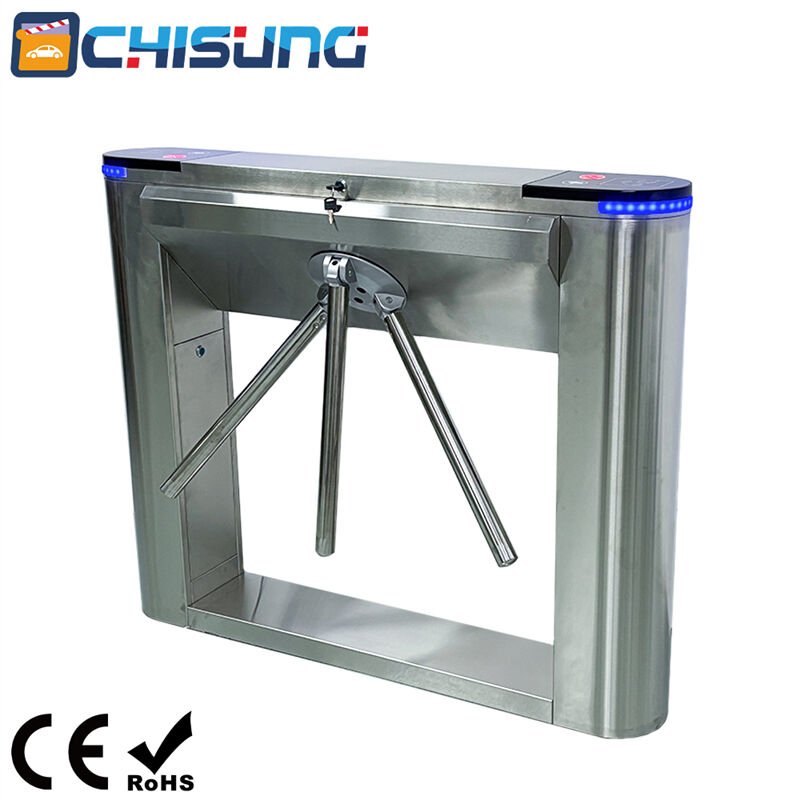
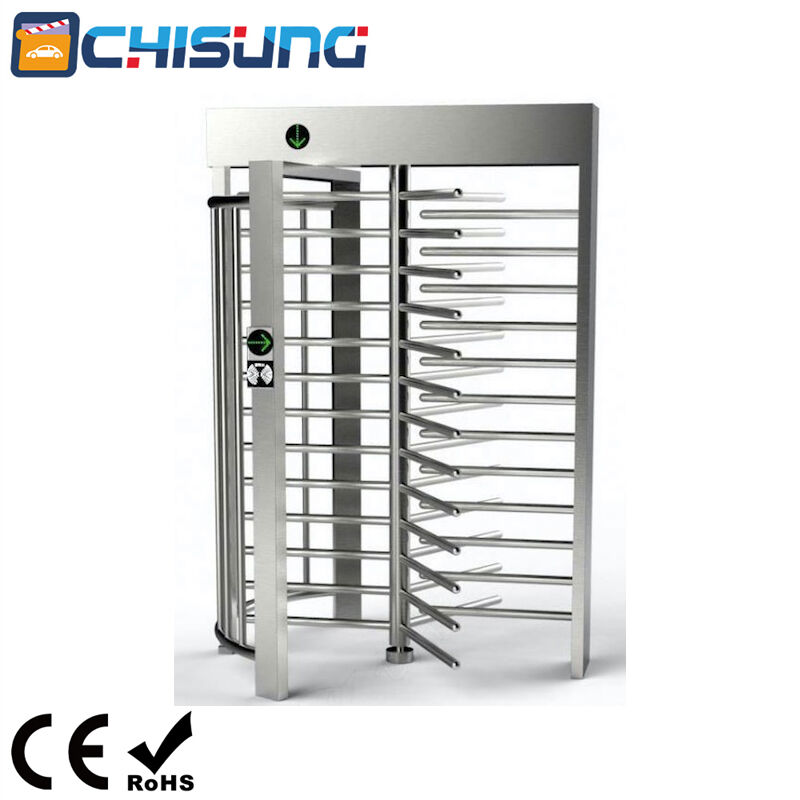
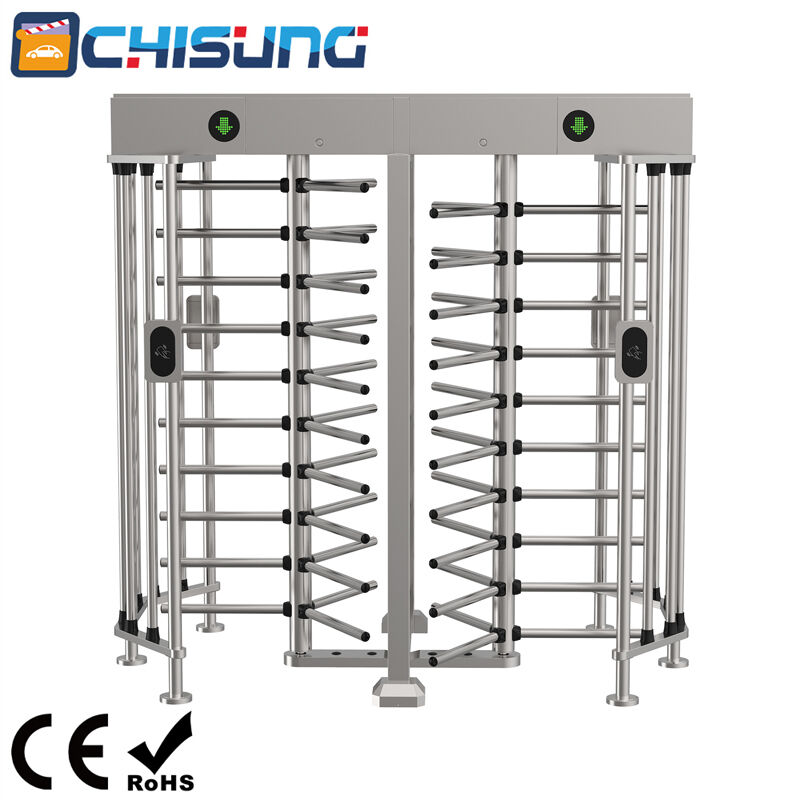
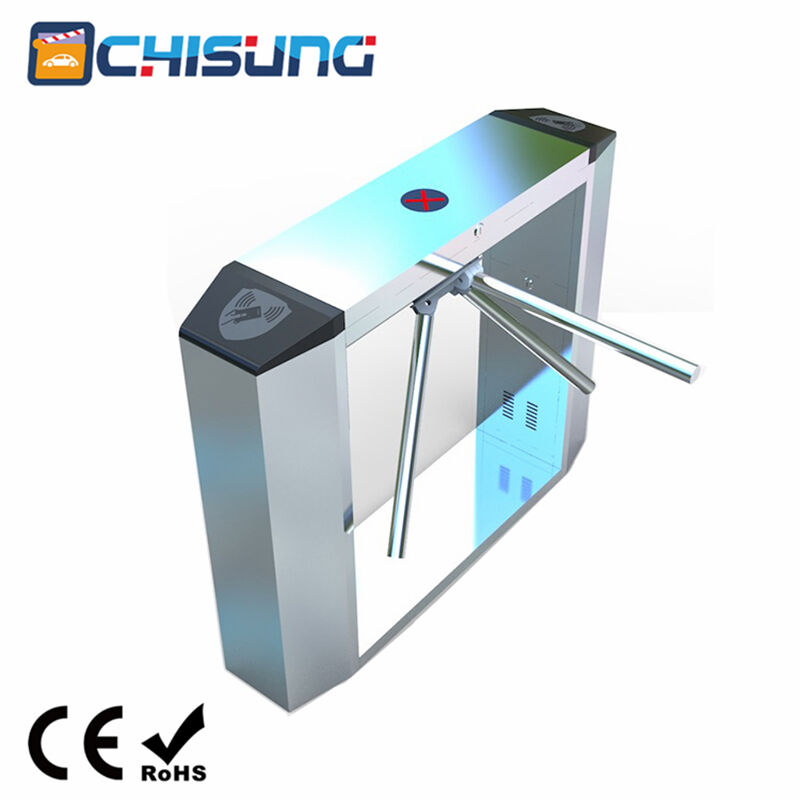
The turnstile gate price represents a critical investment decision for businesses seeking effective access control solutions across various environments. Modern turnstile systems serve as sophisticated barriers that regulate pedestrian flow while maintaining security standards in commercial, industrial, and public spaces. Understanding turnstile gate price factors helps organizations make informed purchasing decisions that align with their operational requirements and budget constraints. These mechanical or electronic barriers function by controlling individual passage through designated entry and exit points, ensuring authorized personnel access while preventing unauthorized entry. The turnstile gate price varies significantly based on technological specifications, materials, installation complexity, and additional features integrated into the system. Basic mechanical turnstiles offer cost-effective solutions for standard access control needs, while advanced electronic models incorporate biometric scanners, card readers, facial recognition technology, and integration capabilities with existing security infrastructure. The price structure typically includes hardware costs, installation expenses, software licensing, maintenance agreements, and potential customization requirements. Turnstile gates utilize robust construction materials such as stainless steel, aluminum alloy, and tempered glass components designed to withstand heavy usage and environmental conditions. Modern systems feature intelligent sensors that detect tailgating attempts, reverse passage prevention, and emergency release mechanisms for safety compliance. Integration capabilities allow turnstile gate price considerations to include compatibility with existing access control systems, time attendance tracking, visitor management platforms, and centralized security monitoring solutions. Applications span across corporate offices, manufacturing facilities, transportation hubs, educational institutions, healthcare facilities, sports venues, and residential complexes where controlled access remains essential for security and operational efficiency.

 EN
EN