Advanced Multi-Layer Security Authentication
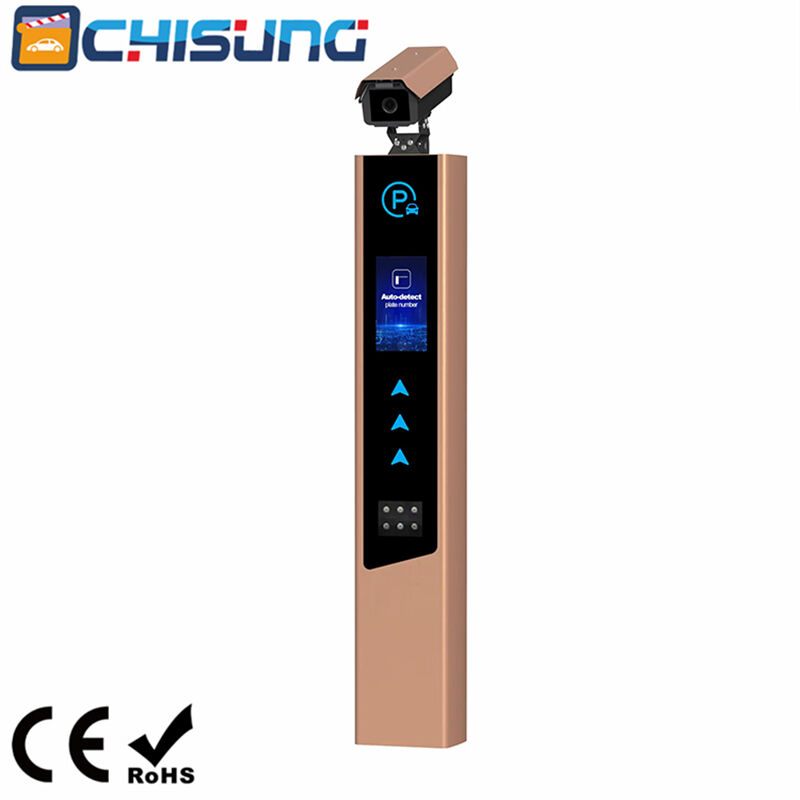
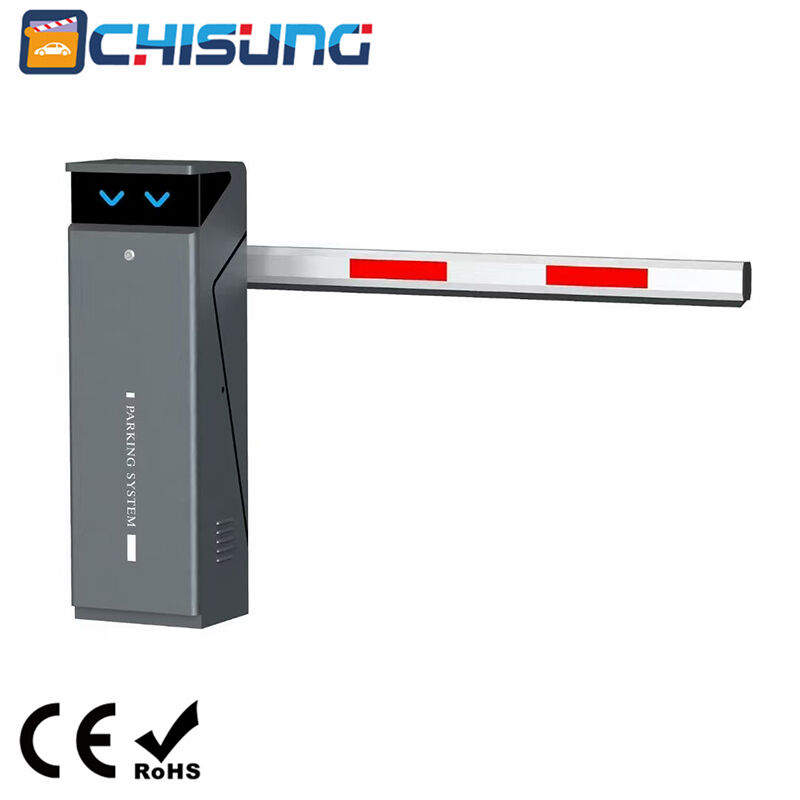
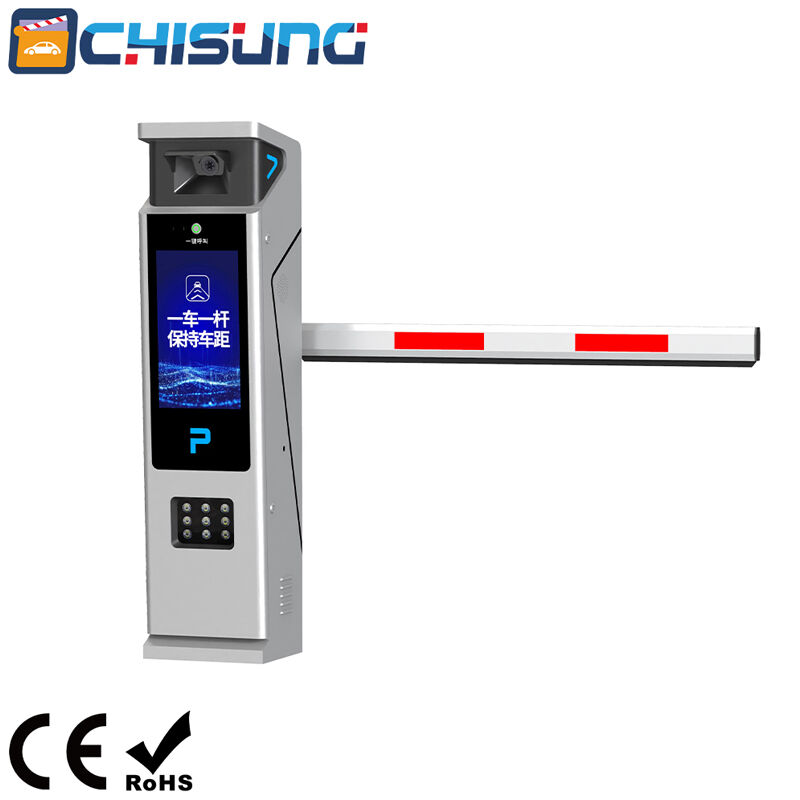
The safety barrier gate incorporates sophisticated multi-layer security authentication technology that revolutionizes access control management for modern facilities. This comprehensive system supports simultaneous integration of multiple identification methods, including RFID proximity cards, license plate recognition cameras, biometric fingerprint scanners, and mobile device authentication applications. The intelligent processing unit evaluates multiple credentials in real-time, creating redundant verification layers that significantly enhance security effectiveness while maintaining user convenience. Advanced algorithms analyze license plate data against comprehensive databases, automatically flagging suspicious vehicles or expired registrations before granting access. The biometric integration adds an additional security dimension, ensuring that only authorized personnel can operate vehicles through the safety barrier gate checkpoint. Mobile device connectivity enables remote access management, allowing security administrators to grant temporary permissions or modify access schedules from any location with internet connectivity. The system's artificial intelligence capabilities learn from usage patterns, identifying anomalies that might indicate security threats or unauthorized access attempts. Encrypted communication protocols protect all data transmissions between the safety barrier gate components and central management systems, preventing cybersecurity vulnerabilities that could compromise facility security. The multi-authentication approach eliminates single points of failure, ensuring that if one identification method experiences technical difficulties, alternative verification methods maintain seamless operation. Real-time notifications alert security personnel to any authentication failures or suspicious activities, enabling immediate response to potential security incidents. The comprehensive audit trail documents every authentication attempt with detailed metadata, including timestamp, credential type, user identification, and final access decision. This extensive documentation proves invaluable for regulatory compliance, insurance investigations, and security protocol optimization. Customizable security levels allow administrators to adjust authentication requirements based on facility areas, time periods, or specific security threat levels.

 EN
EN