vehicle barrier gate
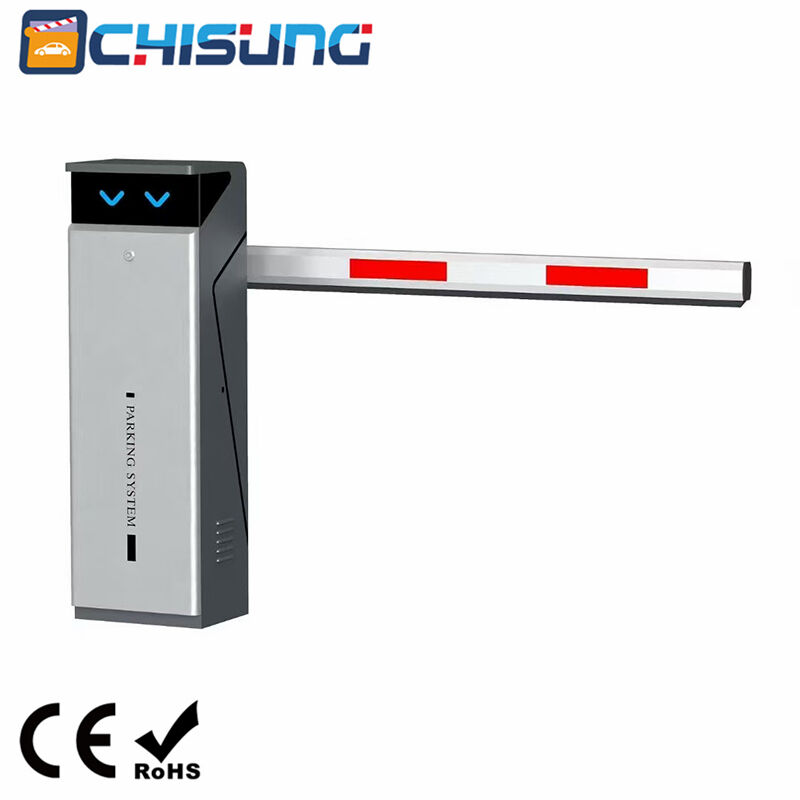
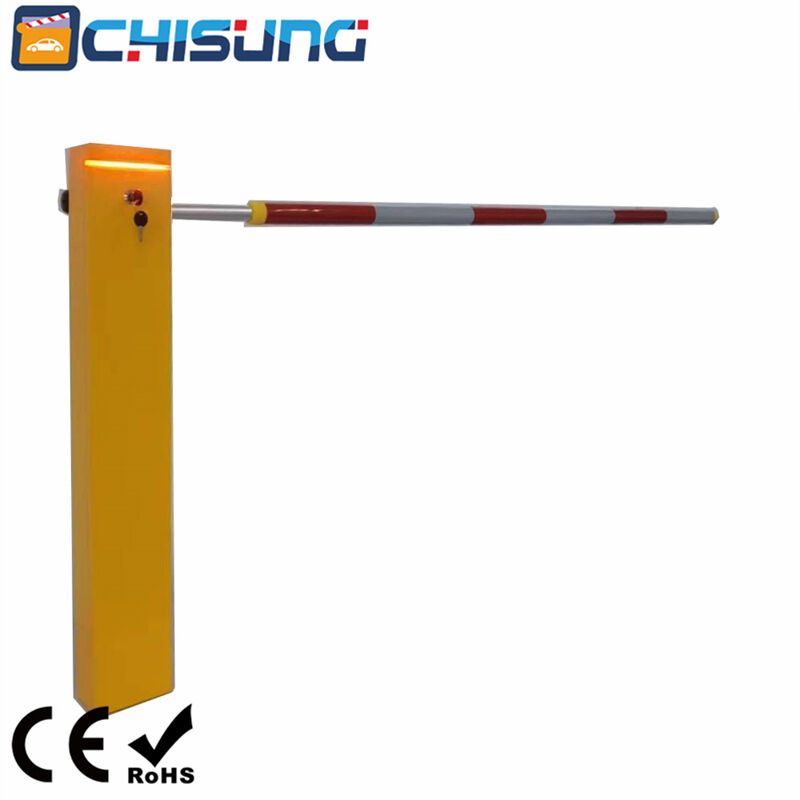
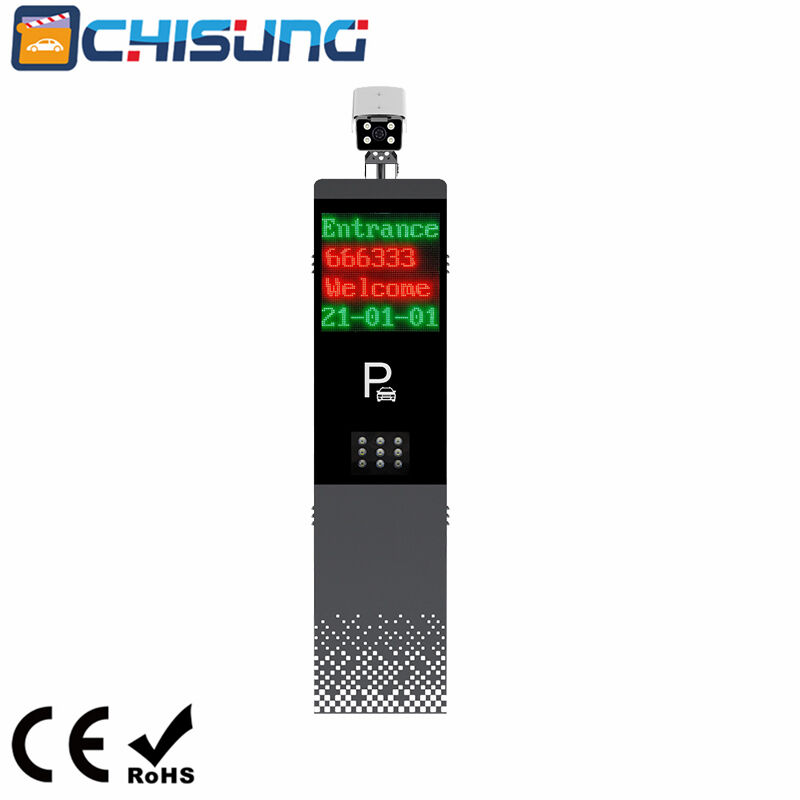
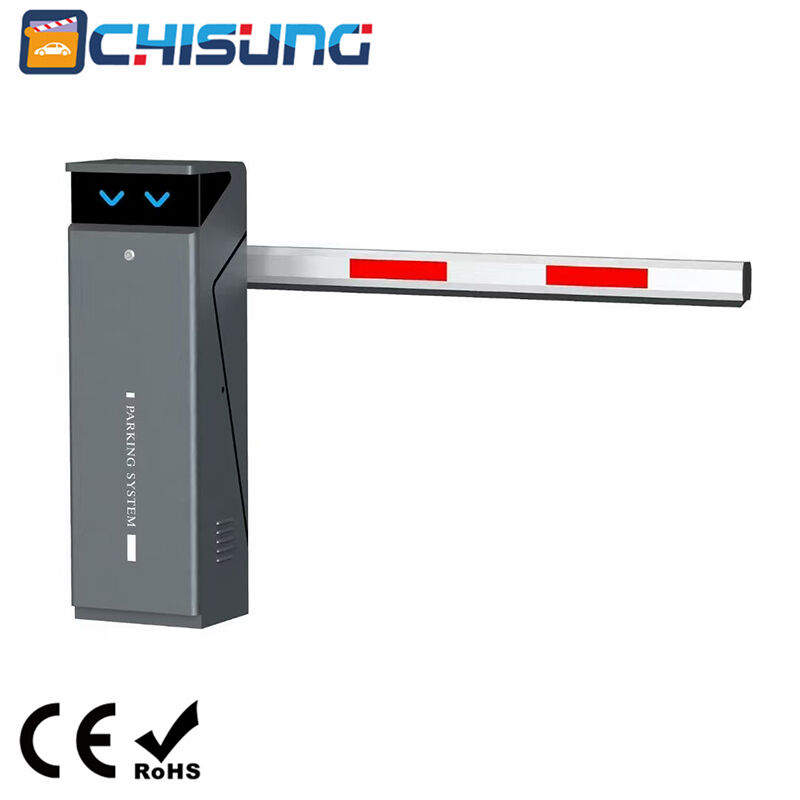
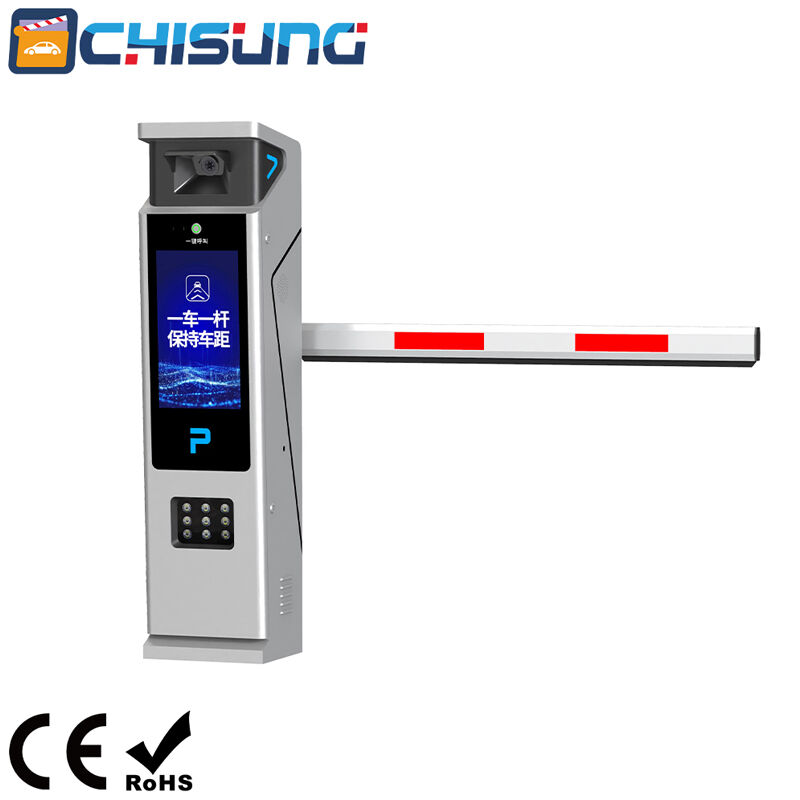
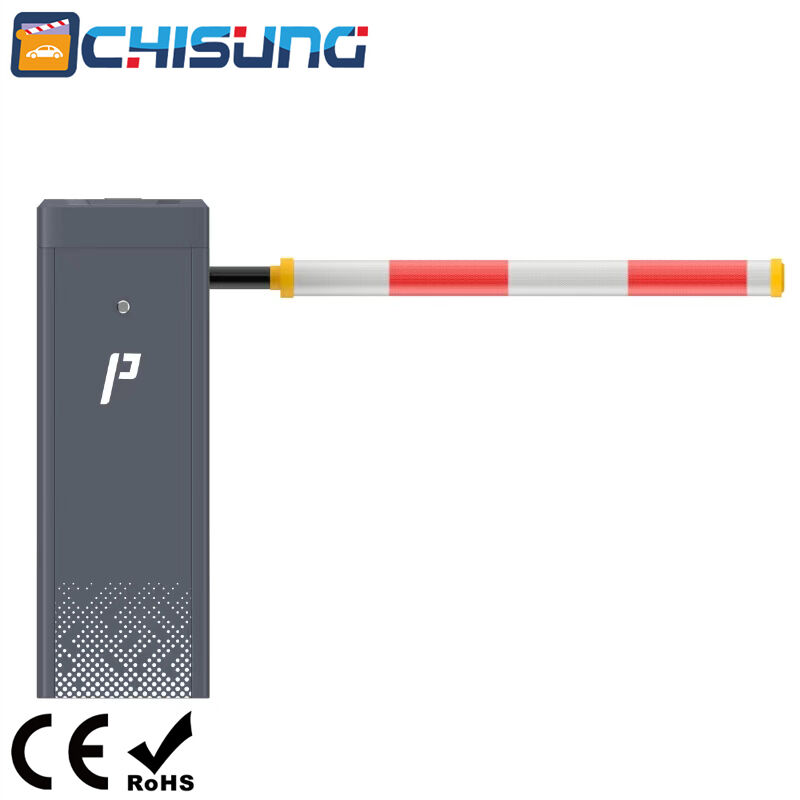
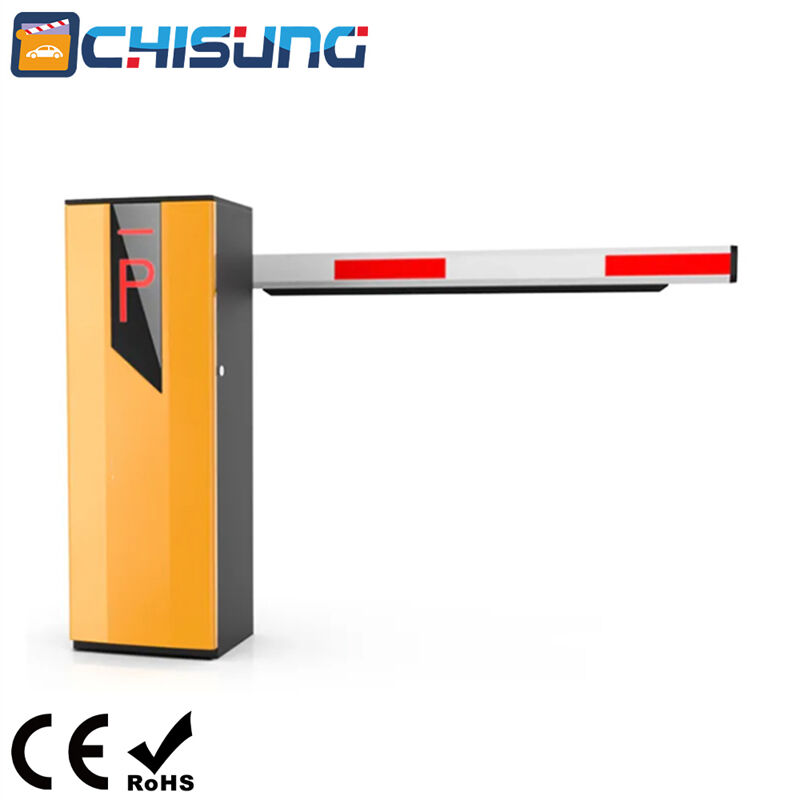
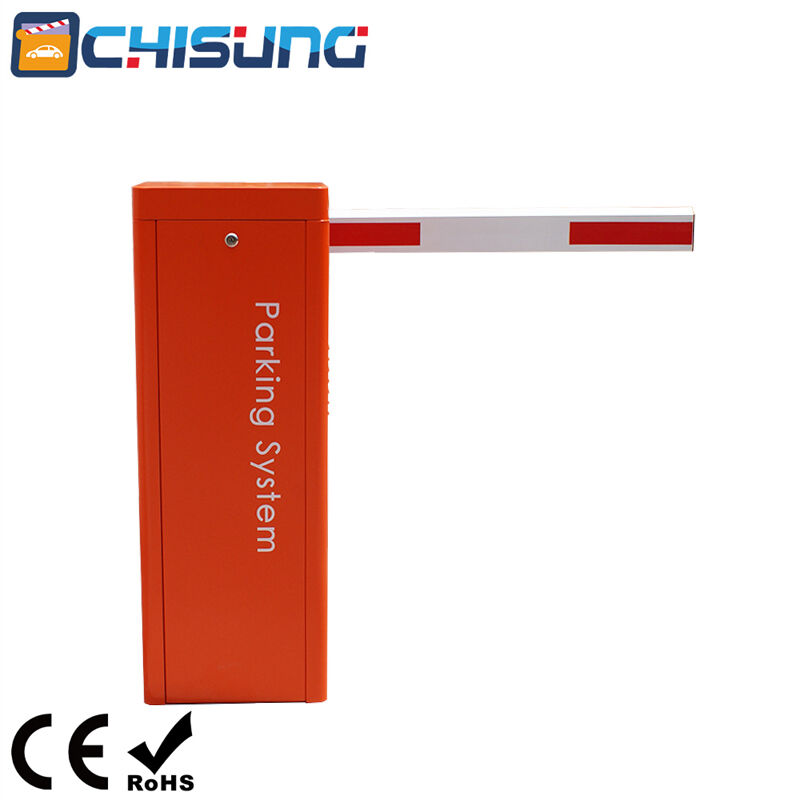
A vehicle barrier gate represents a sophisticated access control solution designed to regulate vehicular traffic flow at entrances and exits of various facilities. This automated security system combines mechanical engineering with advanced electronic controls to create an efficient checkpoint management tool. The vehicle barrier gate operates through a motorized mechanism that raises and lowers a horizontal barrier arm, typically spanning the width of a roadway or entrance point. Modern barrier gates incorporate intelligent sensors, authentication systems, and remote monitoring capabilities that enable seamless integration with existing security infrastructure. The primary function of a vehicle barrier gate centers on controlling unauthorized vehicle access while maintaining smooth traffic flow for approved vehicles. These systems utilize various identification methods including RFID cards, license plate recognition technology, proximity sensors, and manual override controls operated by security personnel. The technological features of contemporary vehicle barrier gates include weather-resistant housing, LED lighting systems for enhanced visibility, backup power supplies, and programmable timer functions. Advanced models feature variable speed controls, soft-start mechanisms to reduce wear, and anti-crash systems that prevent damage from accidental impacts. The barrier arms themselves are constructed from lightweight yet durable materials such as aluminum or reinforced composites, often incorporating reflective strips and warning lights for enhanced safety. Vehicle barrier gates find extensive applications across numerous sectors including commercial properties, residential communities, parking facilities, industrial complexes, government buildings, and transportation hubs. These installations serve critical roles in perimeter security, traffic management, and access documentation. The integration capabilities allow vehicle barrier gates to connect with broader security ecosystems, including surveillance cameras, intercom systems, and centralized monitoring stations. Modern installations often feature smartphone integration, cloud-based management platforms, and real-time reporting functions that provide comprehensive oversight of all vehicular movements through monitored access points.

 EN
EN