Advanced Multi-Factor Authentication Technology
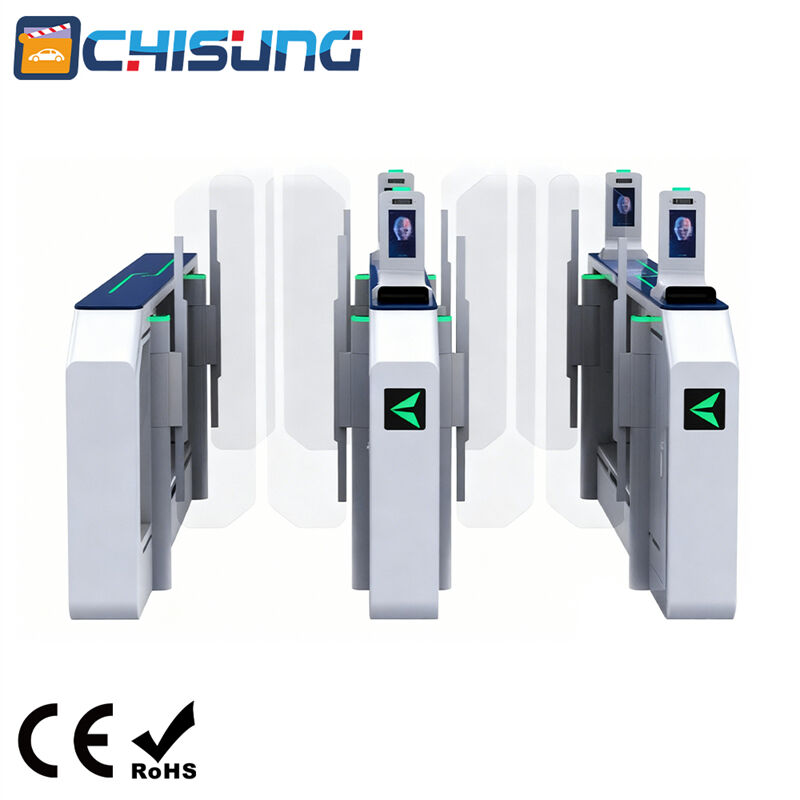
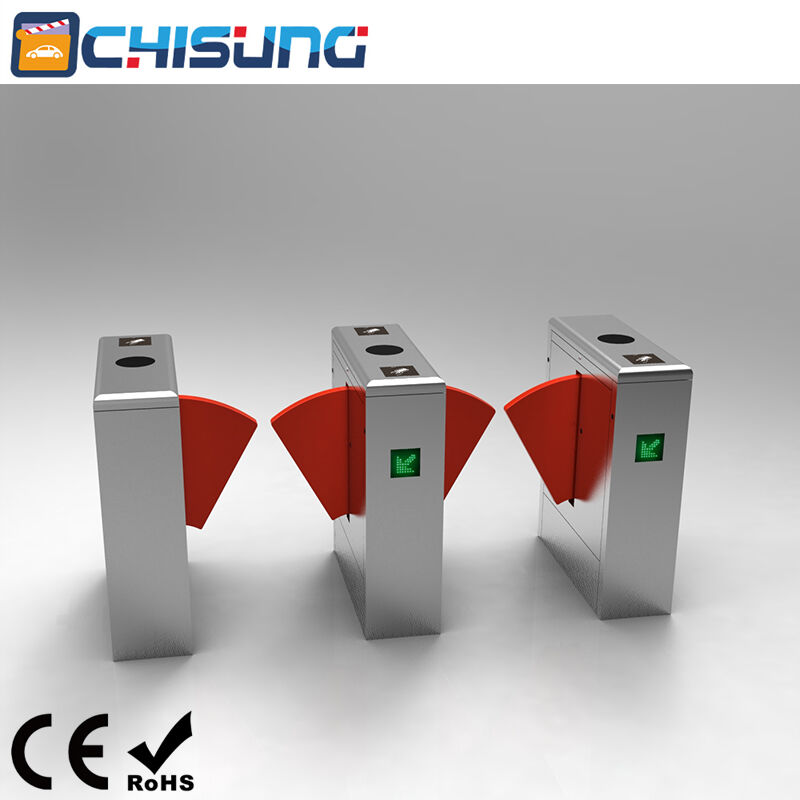
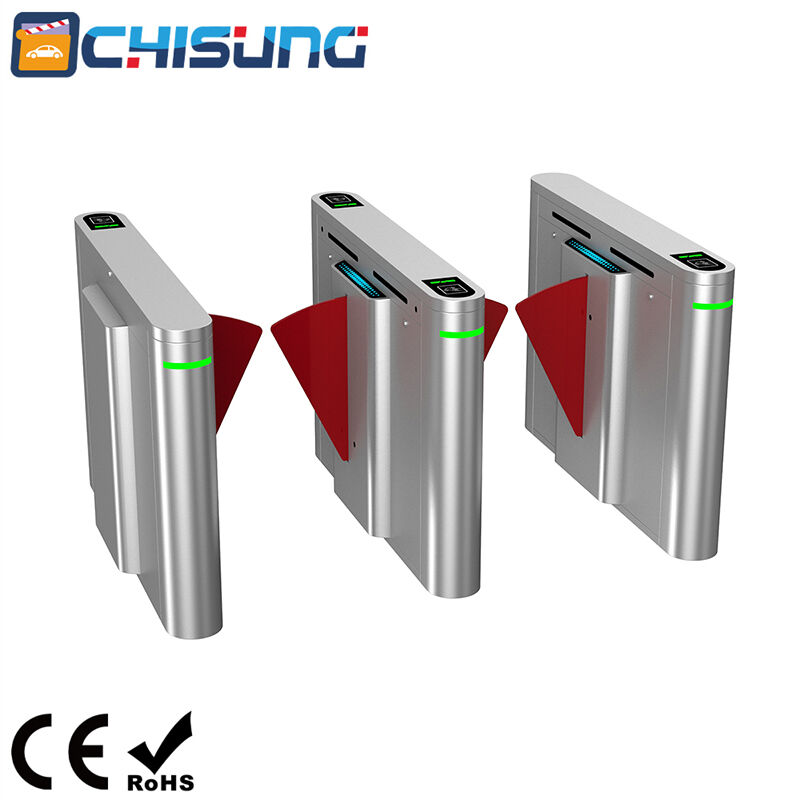
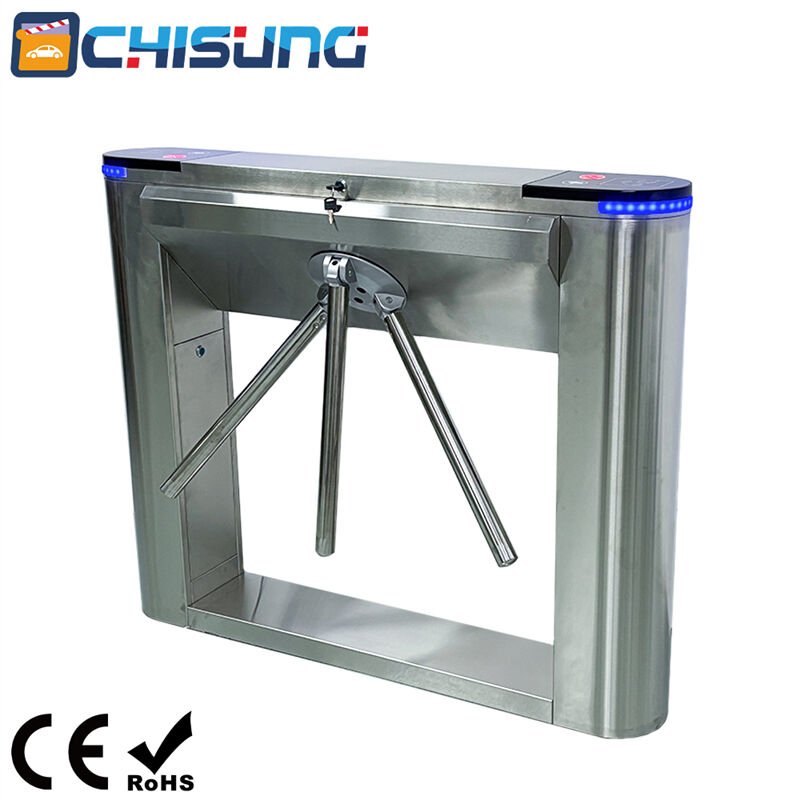
The cornerstone of any effective high security turnstile lies in its sophisticated authentication capabilities, which represent a quantum leap beyond traditional access control methods. Modern high security turnstiles incorporate multiple layers of verification technology, creating an virtually impenetrable security barrier that adapts to evolving threats. Biometric scanners integrated within the high security turnstile capture unique physiological characteristics such as fingerprints, palm prints, or iris patterns, ensuring that access credentials cannot be duplicated, stolen, or shared. Facial recognition systems utilize advanced algorithms to analyze facial features in real-time, comparing captured images against authorized user databases with remarkable accuracy even in varying lighting conditions. Smart card readers support multiple card technologies including proximity cards, smart chips, and encrypted credentials, providing flexibility while maintaining the highest security standards. The high security turnstile processes authentication requests in milliseconds, ensuring smooth traffic flow while maintaining rigorous verification protocols. Machine learning algorithms continuously improve recognition accuracy by analyzing usage patterns and environmental factors, reducing false rejections while preventing unauthorized access attempts. The system maintains extensive user databases that can be updated remotely, allowing administrators to modify access permissions instantly without requiring physical intervention. Backup authentication methods ensure continued operation even if primary systems experience temporary issues, preventing facility lockdowns while maintaining security integrity. The high security turnstile logs every authentication attempt with detailed metadata, creating comprehensive audit trails that satisfy the most stringent compliance requirements. Integration with enterprise identity management systems ensures consistent user credentials across all organizational access points, simplifying administration while strengthening overall security posture. Anti-passback functionality prevents users from sharing credentials by tracking entry and exit events, ensuring each authorized individual can only be present in one location at any given time.

 EN
EN