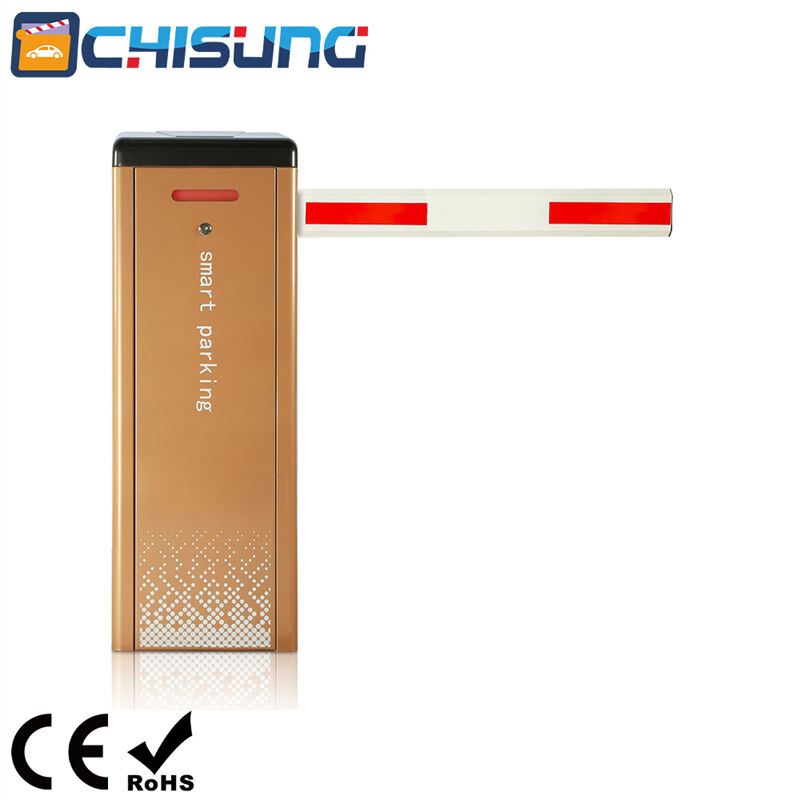
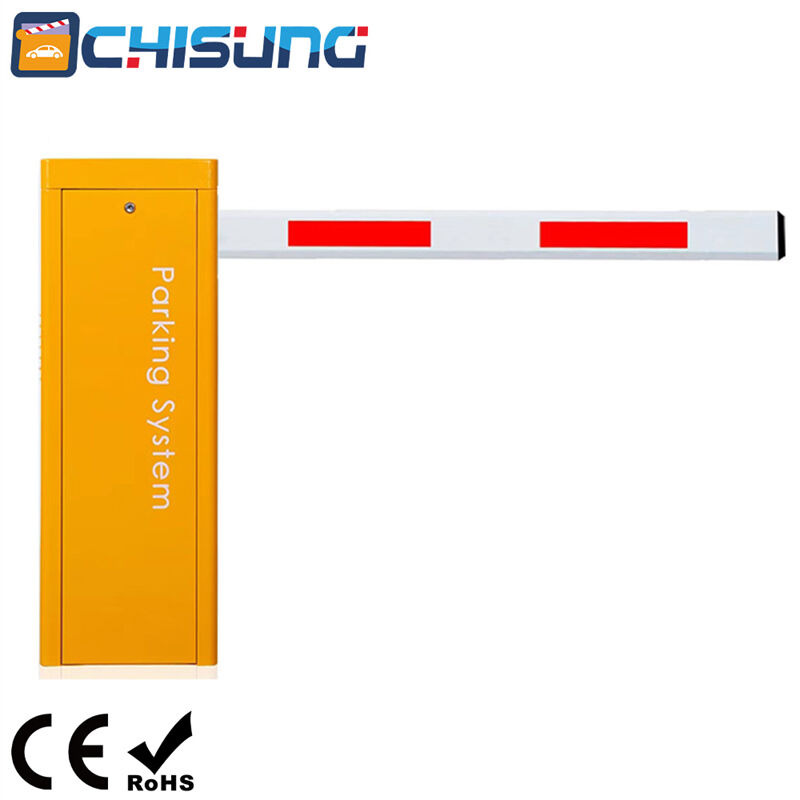
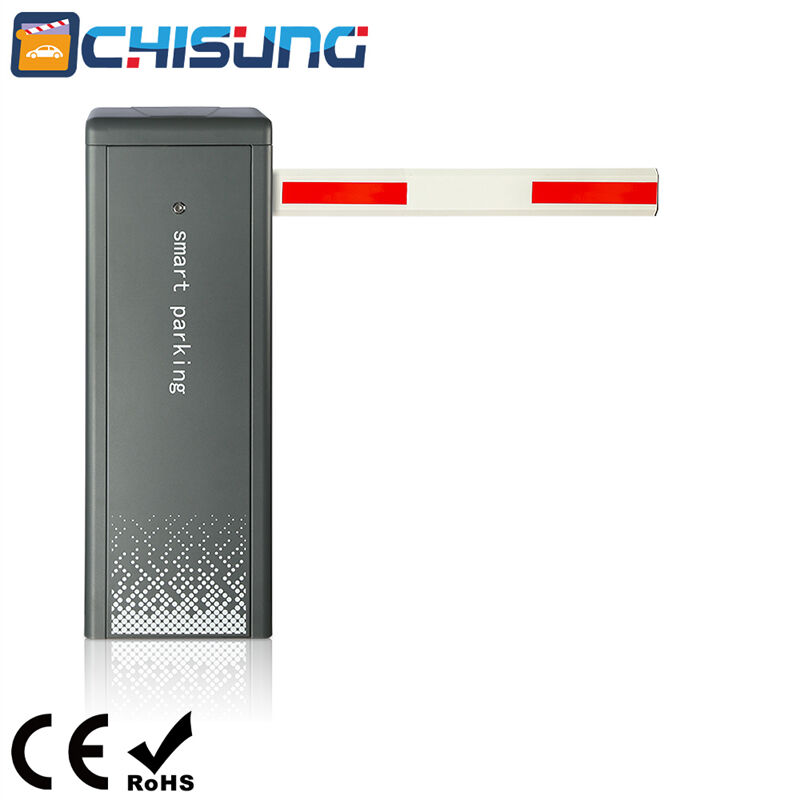
electric barrier gate
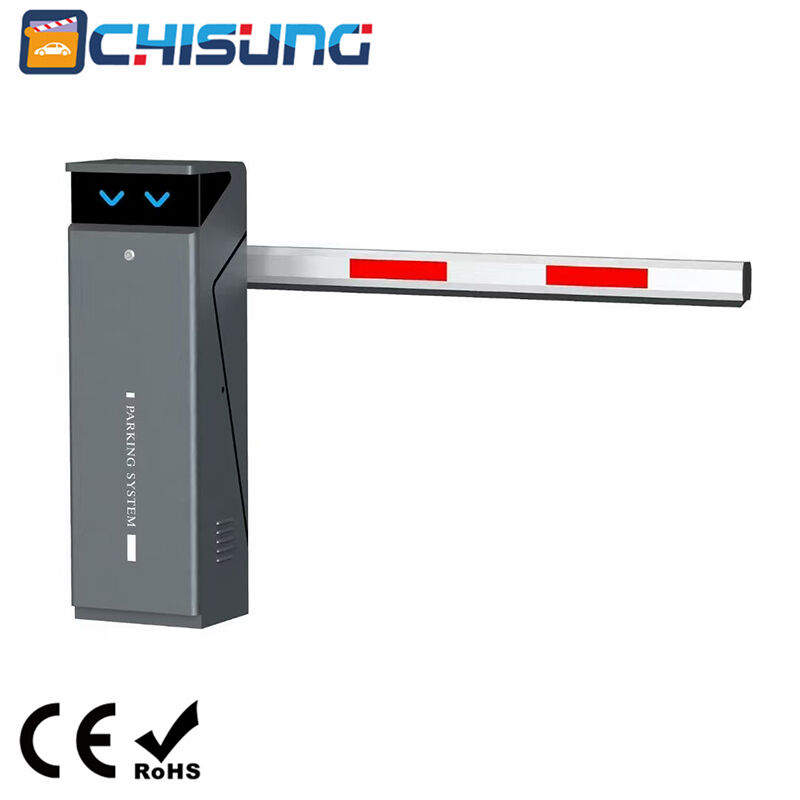
An electric barrier gate represents a sophisticated automated access control solution designed to regulate vehicle entry and exit at various premises. This advanced system combines mechanical engineering with electronic technology to create a reliable barrier that operates through electric power, eliminating the need for manual operation. The electric barrier gate consists of a sturdy aluminum or steel boom arm that raises and lowers automatically to control traffic flow, supported by a robust housing unit containing the motor, control electronics, and safety mechanisms. Modern electric barrier gate systems integrate seamlessly with access control technologies, including RFID readers, proximity cards, license plate recognition systems, and remote controls, making them versatile solutions for diverse security applications. The technological framework of an electric barrier gate incorporates precision motors that ensure smooth and quiet operation, while advanced control circuits provide programmable timing functions and customizable access parameters. Safety features include obstacle detection sensors that prevent the barrier from closing when vehicles or pedestrians are detected in the operating zone, emergency manual release mechanisms for power outages, and backup battery systems to maintain functionality during electrical disruptions. These systems typically support integration with existing security infrastructure, allowing seamless communication with surveillance cameras, intercom systems, and centralized management platforms. The electric barrier gate finds extensive applications across commercial, residential, and industrial sectors, serving parking facilities, gated communities, corporate campuses, shopping centers, airports, toll stations, and government installations. Installation flexibility allows these systems to accommodate various road widths through adjustable boom arm lengths, while weather-resistant construction ensures reliable performance in diverse environmental conditions. The control options range from simple remote operation to sophisticated network-based management systems that enable real-time monitoring, usage analytics, and remote troubleshooting capabilities.

 EN
EN