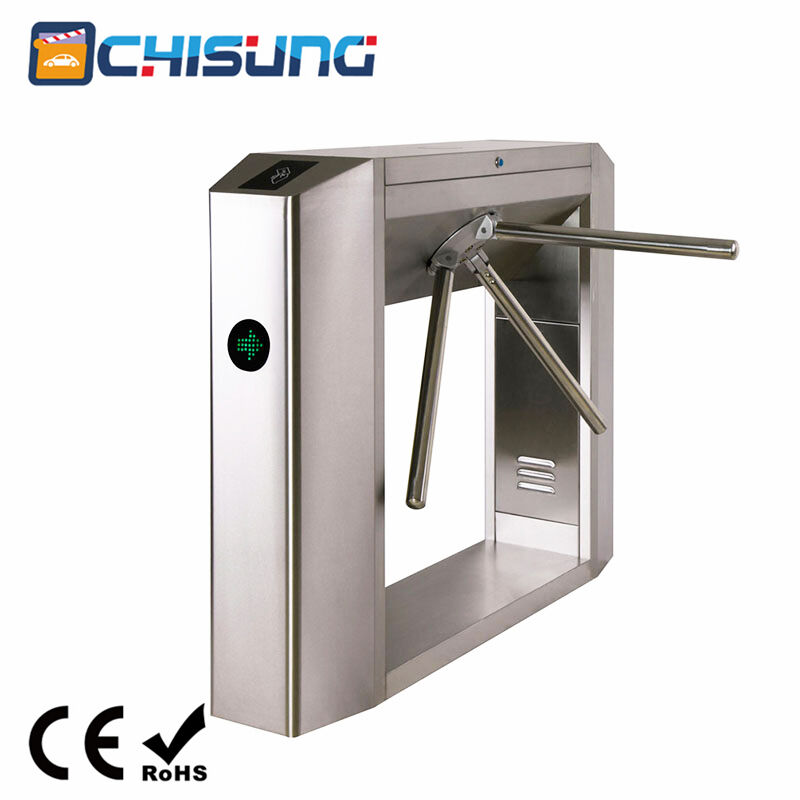
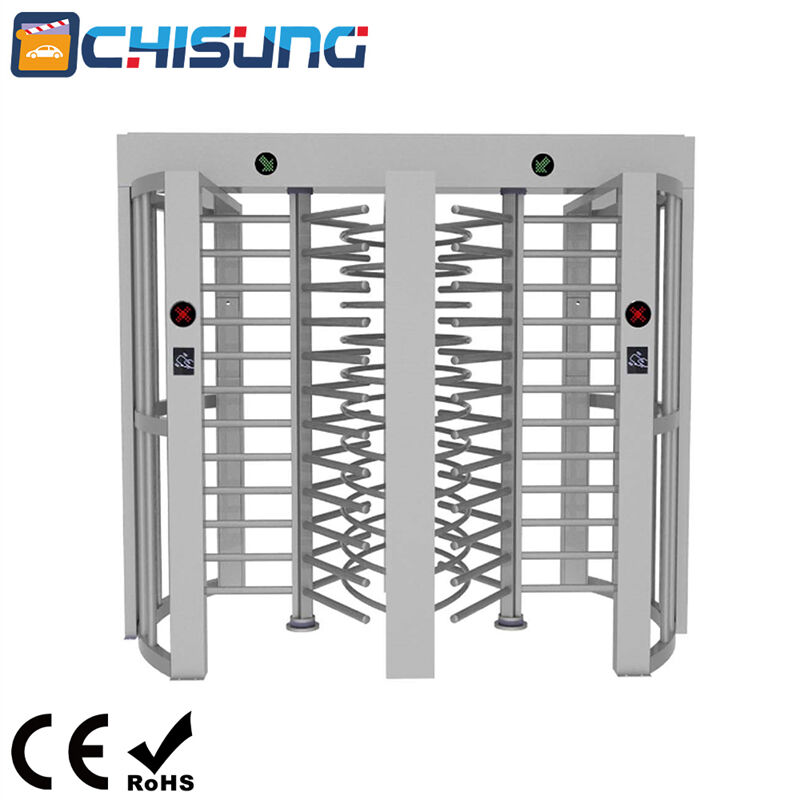
pedestrian turnstile gate
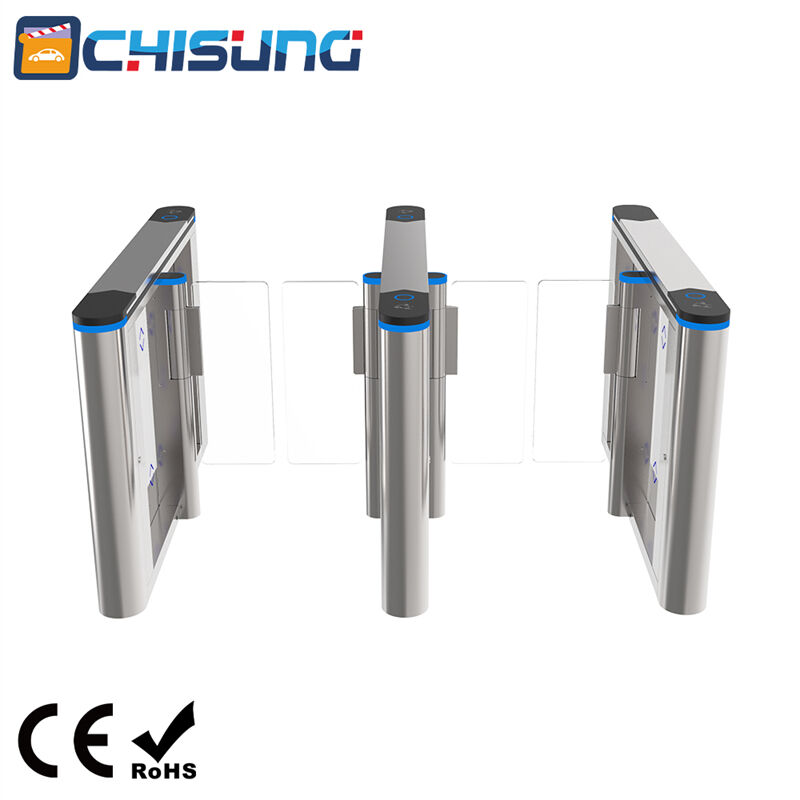
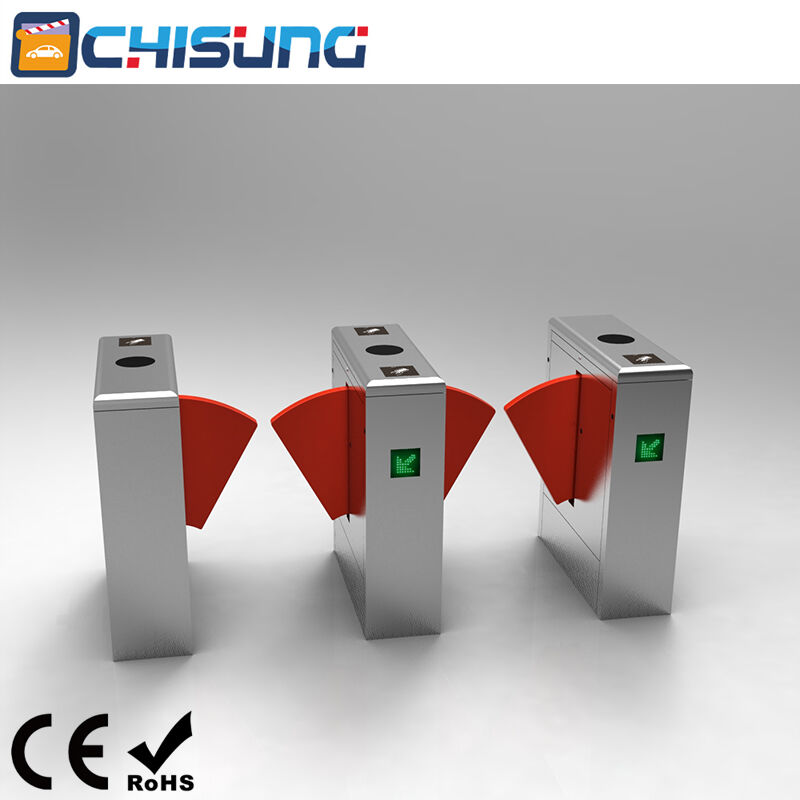
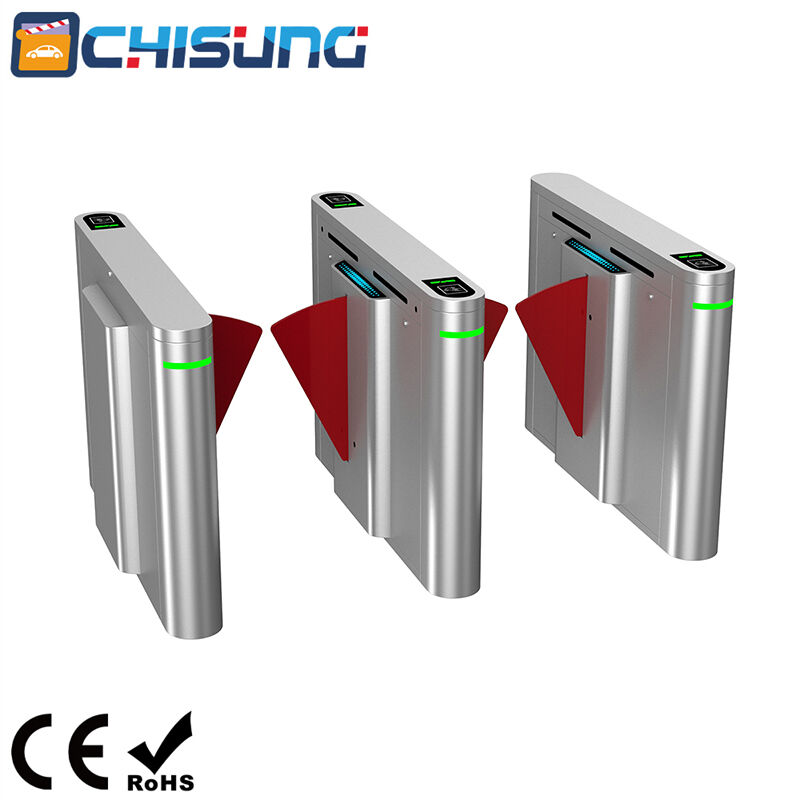
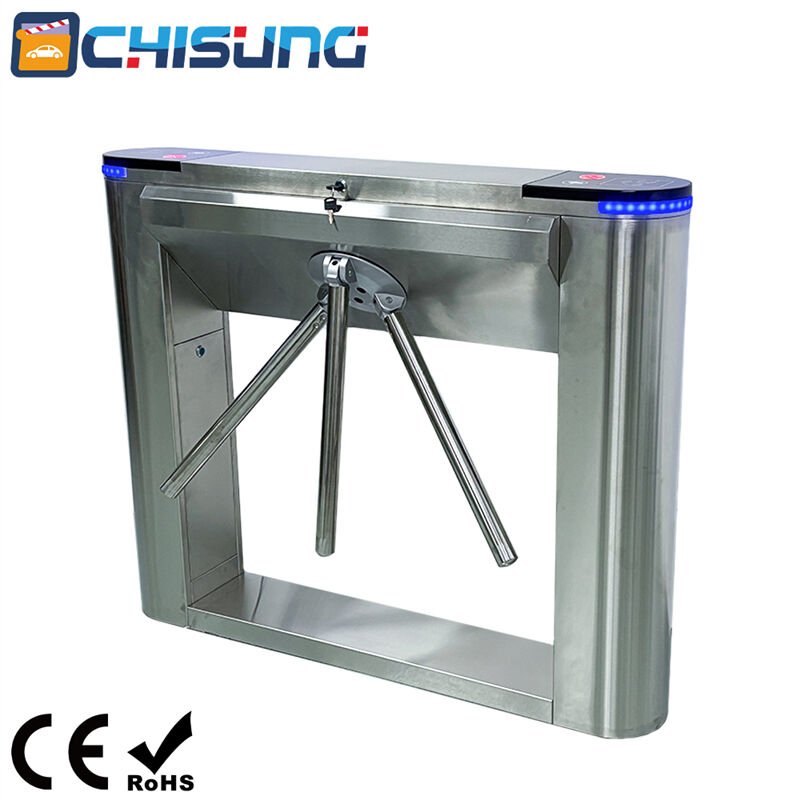
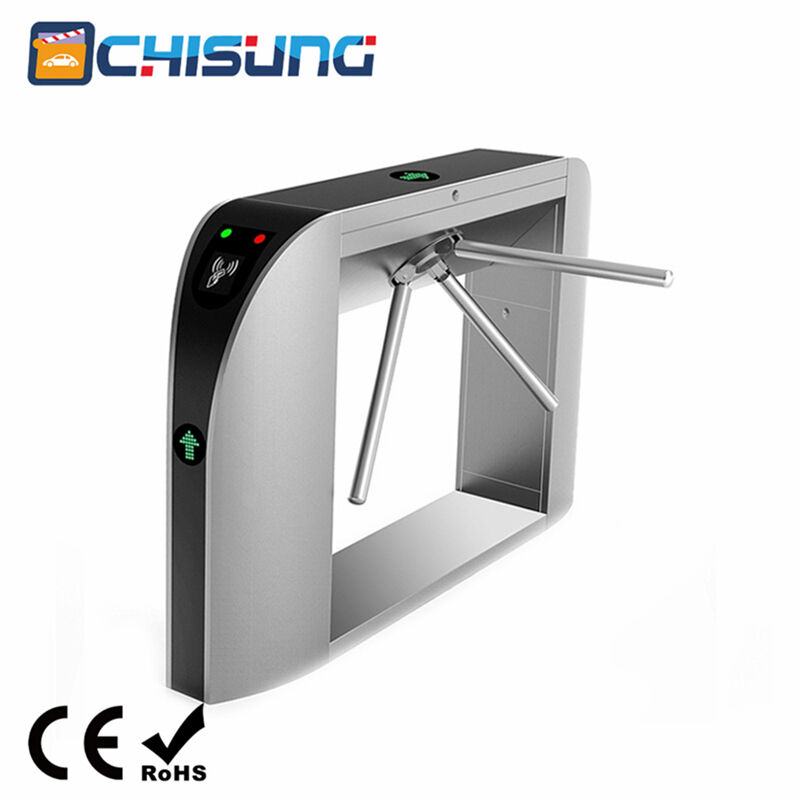
A pedestrian turnstile gate represents a sophisticated access control solution designed to manage foot traffic in various environments while maintaining security and operational efficiency. These automated barriers serve as intelligent checkpoints that regulate human movement through designated entry and exit points, combining mechanical engineering with advanced electronic systems. The pedestrian turnstile gate operates through a rotating mechanism that permits one person to pass at a time, ensuring controlled access while preventing unauthorized entry or tailgating attempts. Modern pedestrian turnstile gate systems integrate seamlessly with existing security infrastructure, supporting multiple authentication methods including RFID cards, biometric scanners, QR codes, and mobile applications. The core functionality revolves around bi-directional passage control, allowing facility managers to monitor and restrict access based on predetermined criteria. Advanced models feature intelligent sensors that detect approaching individuals and respond accordingly, while anti-tailgating technology ensures only authorized personnel gain entry. The pedestrian turnstile gate incorporates fail-safe mechanisms that automatically unlock during emergencies, ensuring rapid evacuation when necessary. Integration capabilities extend to building management systems, enabling real-time monitoring and data analytics for traffic patterns and usage statistics. Weather-resistant designs make these systems suitable for both indoor and outdoor installations, with materials selected for durability and longevity. The pedestrian turnstile gate supports various operational modes including free passage, controlled access, and emergency evacuation, adapting to different security requirements throughout the day. LED indicators provide clear visual feedback to users, while optional audio announcements enhance accessibility for visually impaired individuals. Maintenance requirements remain minimal due to robust construction and self-diagnostic capabilities that alert administrators to potential issues before they impact operations.

 EN
EN