heavy duty electric gate openers
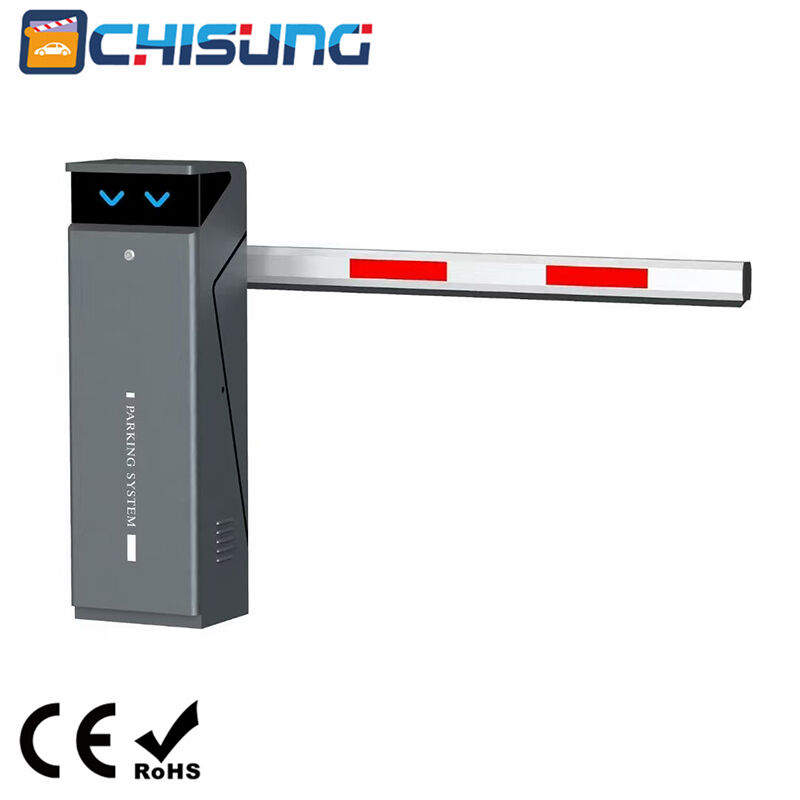
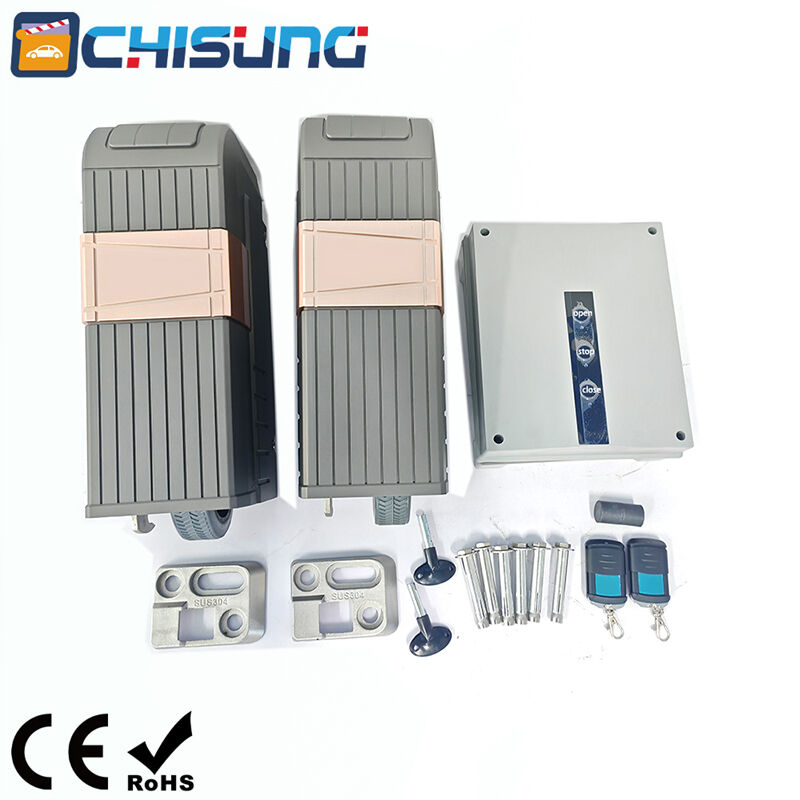
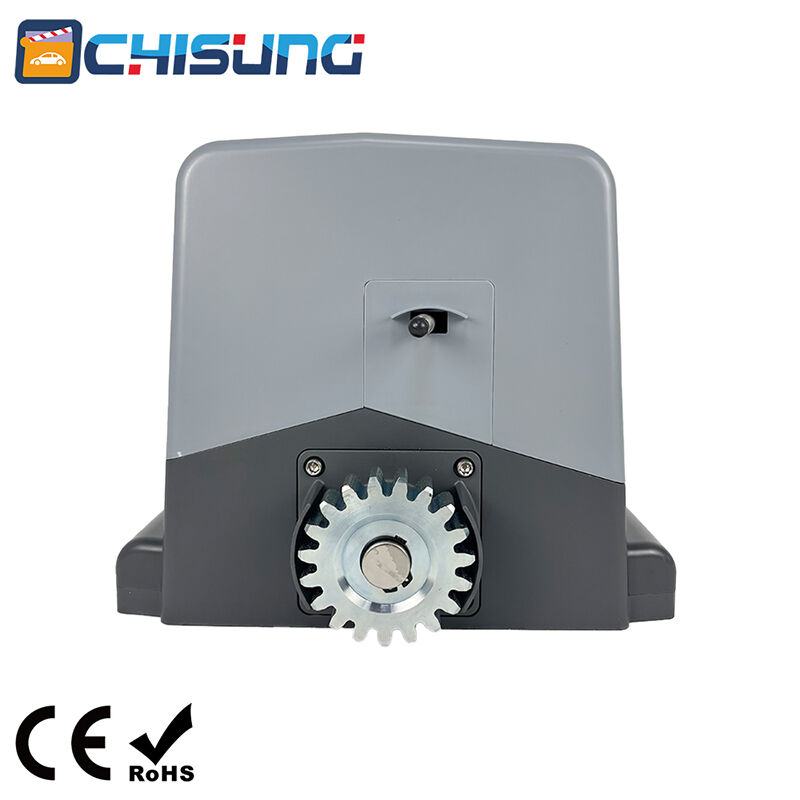
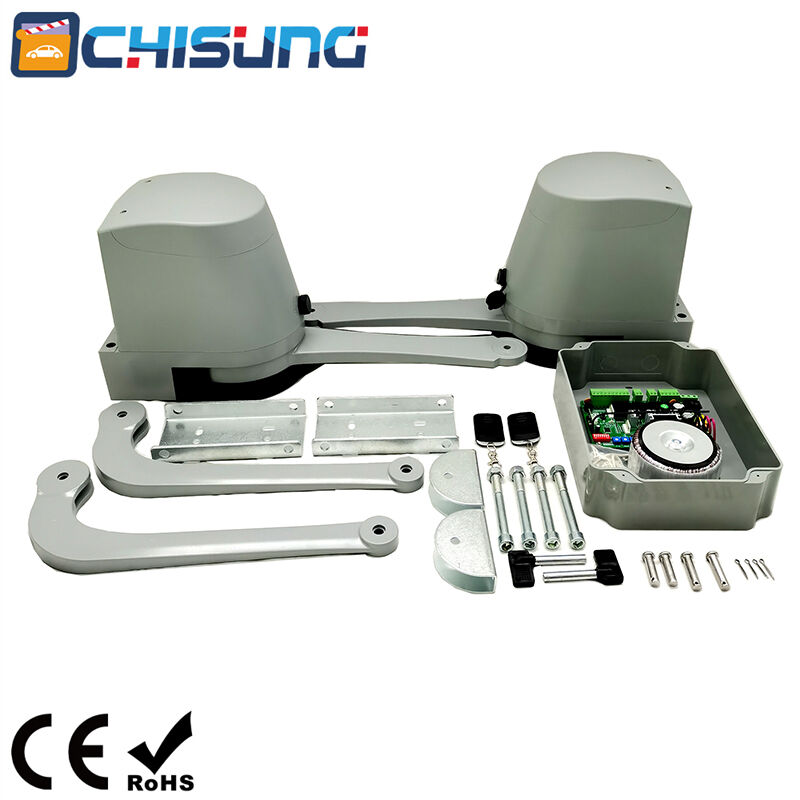
Heavy duty electric gate openers represent the pinnacle of automated access control technology, designed specifically for commercial, industrial, and residential applications that demand superior performance and reliability. These robust systems combine advanced engineering with cutting-edge electronics to provide seamless operation for gates weighing up to several thousand pounds. The primary function of heavy duty electric gate openers centers on automating the opening and closing of large, substantial gates while maintaining precise control and safety standards. Modern heavy duty electric gate openers incorporate sophisticated motor systems, typically featuring high-torque DC or AC motors that deliver exceptional power output while maintaining energy efficiency. The technological backbone includes programmable logic controllers that enable customized operation cycles, variable speed control, and intelligent obstacle detection. Advanced sensor integration allows these systems to detect approaching vehicles or pedestrians, automatically triggering gate operation while preventing accidents through comprehensive safety protocols. Remote control capabilities extend beyond basic functionality, offering smartphone integration, internet connectivity, and cloud-based monitoring systems that provide real-time status updates and diagnostic information. The mechanical components feature reinforced steel construction, precision-engineered gearing systems, and weather-resistant enclosures designed to withstand harsh environmental conditions. Applications span diverse sectors including manufacturing facilities, distribution centers, gated communities, government installations, and high-security commercial properties. These heavy duty electric gate openers accommodate various gate styles including sliding gates, swing gates, and barrier arms, with customizable mounting options for different architectural requirements. Installation flexibility allows integration with existing security infrastructure, including access control systems, surveillance networks, and emergency protocols. The systems support multiple user authentication methods, from traditional remote controls to advanced biometric scanners and mobile device integration. Maintenance protocols are streamlined through built-in diagnostic systems that monitor component performance and predict maintenance requirements, ensuring optimal functionality and extending operational lifespan while minimizing unexpected downtime and repair costs.

 EN
EN