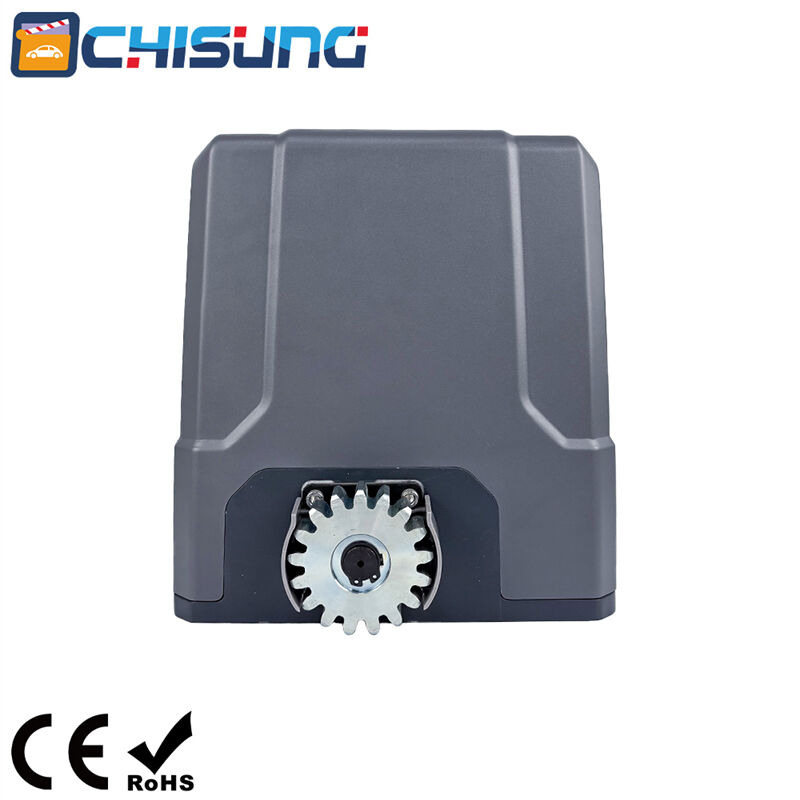
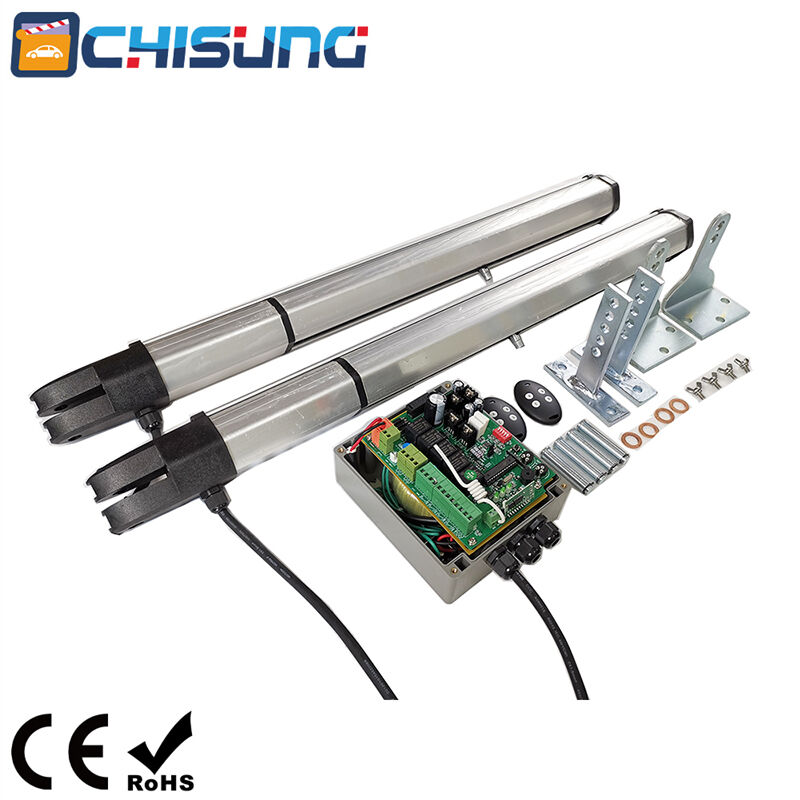
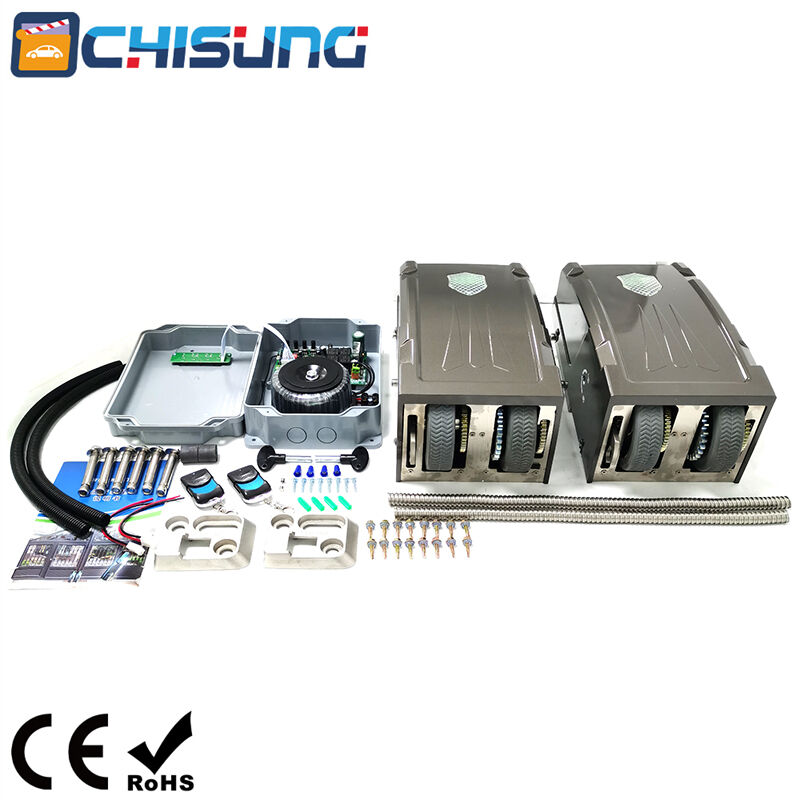
auto swing gate opener
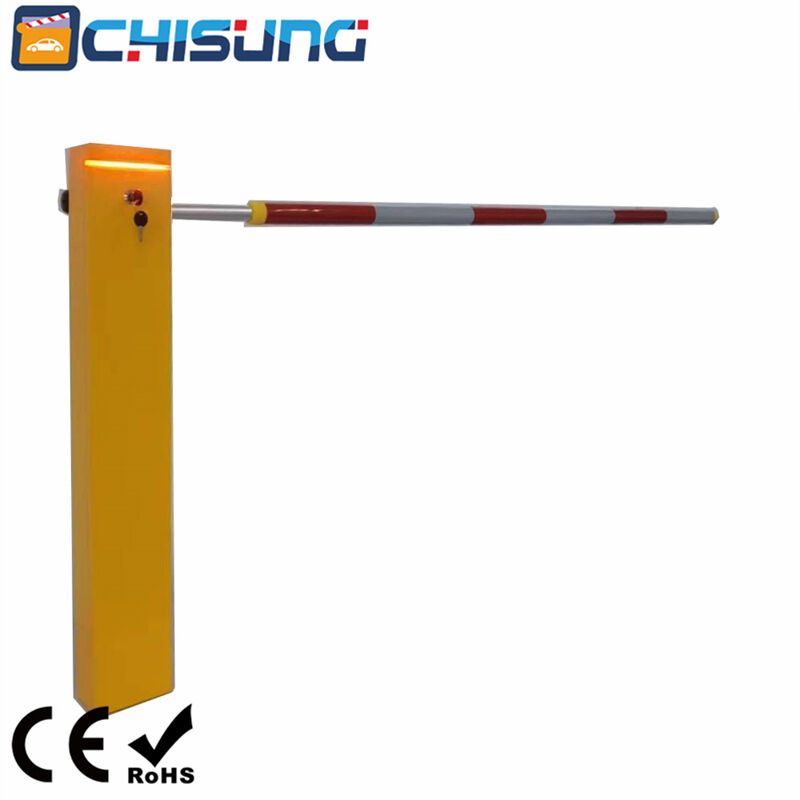
An auto swing gate opener represents a revolutionary advancement in automated access control technology, designed to provide seamless entry and exit solutions for residential, commercial, and industrial properties. This sophisticated device operates by automatically opening and closing swing-style gates through motorized mechanisms, eliminating the need for manual operation while enhancing security and convenience. The auto swing gate opener functions through a combination of electric motors, control systems, and safety sensors that work together to detect approaching vehicles or pedestrians and activate the gate movement accordingly. Modern auto swing gate opener systems incorporate advanced microprocessor technology that enables precise control over gate speed, opening angles, and operational timing. These systems typically feature dual-motor configurations for double gates or single-motor setups for individual gate panels, ensuring reliable performance across various gate sizes and weights. The technological foundation of an auto swing gate opener includes sophisticated encoder feedback systems that monitor gate position and movement, providing accurate positioning and preventing overtravel. Integration capabilities allow the auto swing gate opener to connect with existing security systems, intercoms, keypad entry devices, and smartphone applications for comprehensive access management. Safety features embedded within the auto swing gate opener include obstacle detection sensors, emergency stop functions, and backup power systems that ensure continued operation during power outages. The applications for auto swing gate opener systems span across residential driveways, commercial parking facilities, industrial complexes, gated communities, and high-security installations where controlled access is essential. Installation flexibility makes the auto swing gate opener suitable for various gate materials including steel, aluminum, wood, and composite materials, accommodating different architectural styles and functional requirements.

 EN
EN