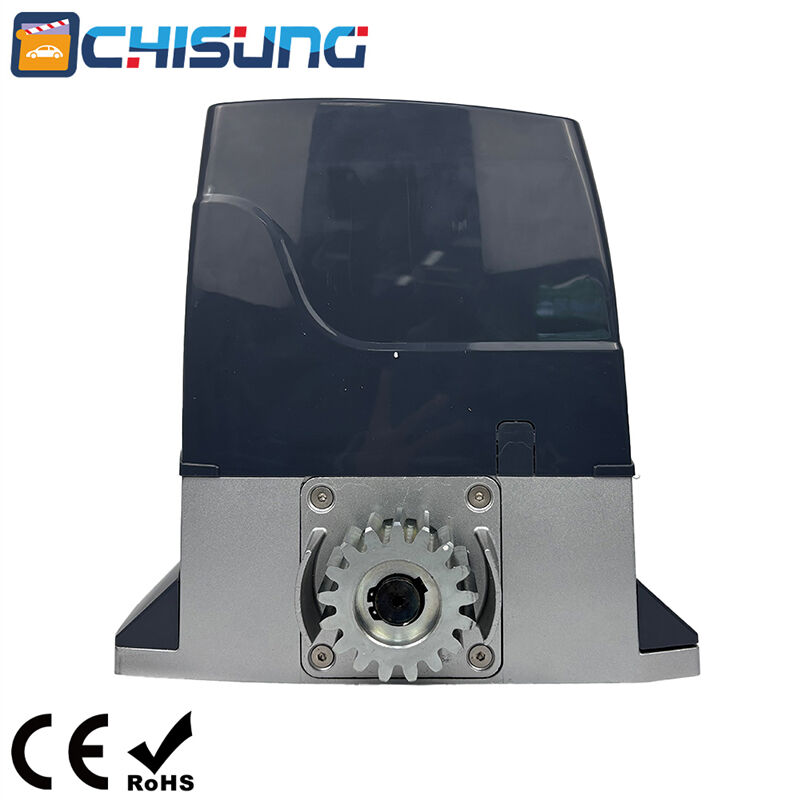
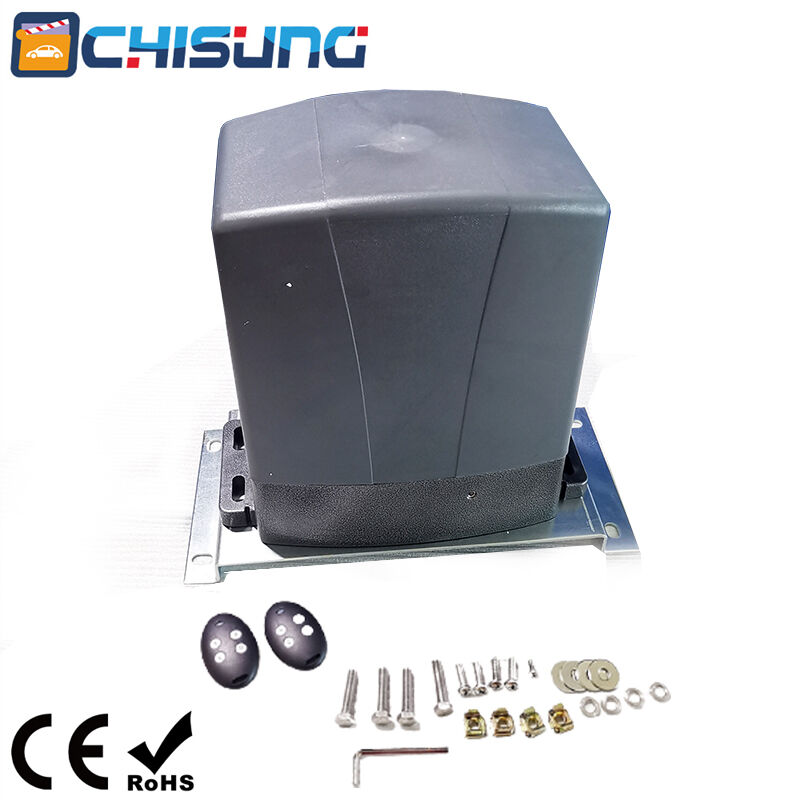
auto solar gate opener
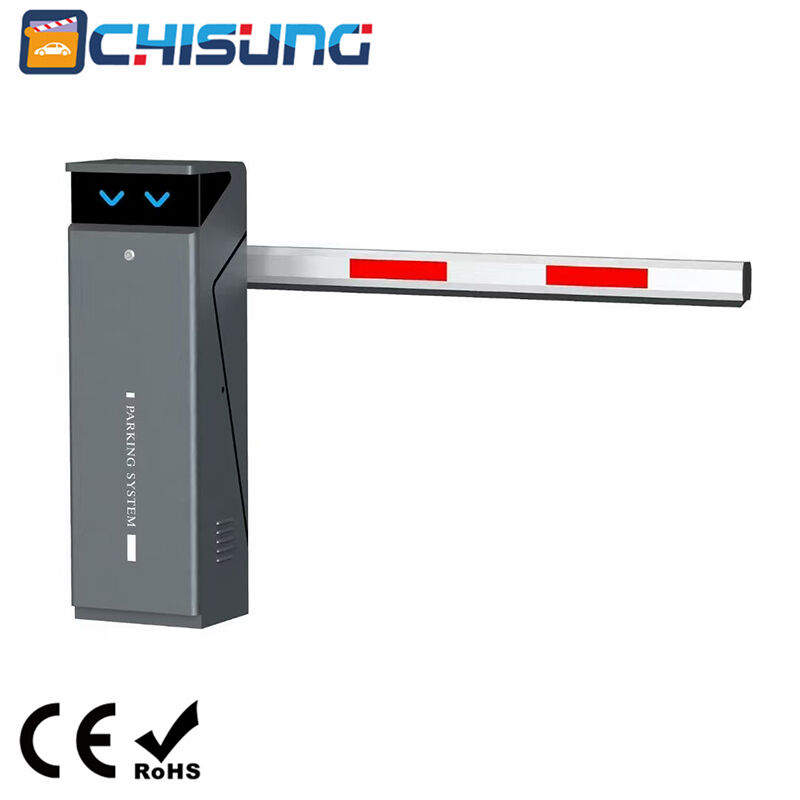
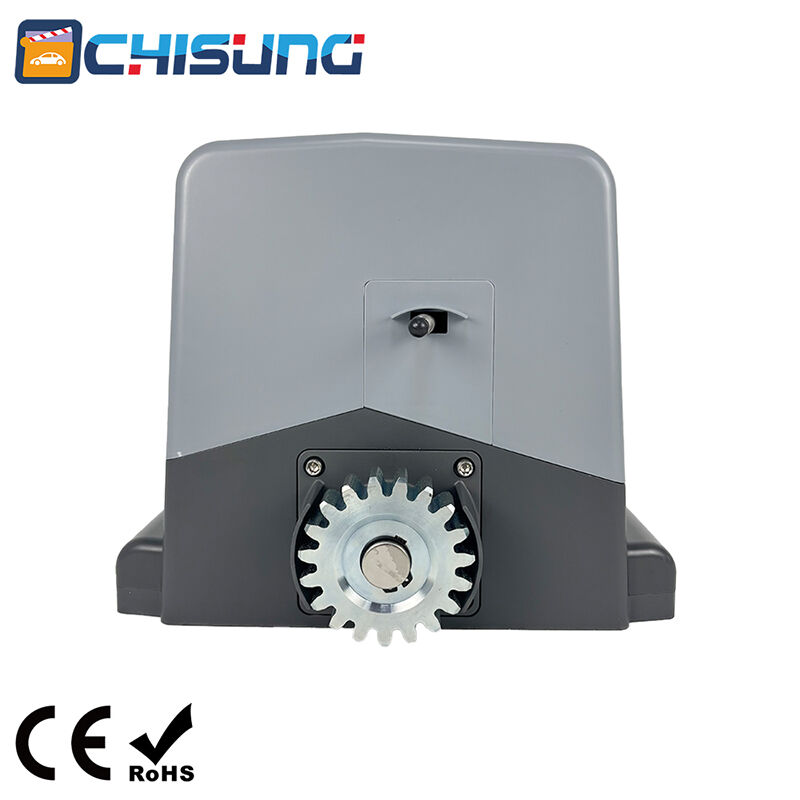
An auto solar gate opener represents a revolutionary advancement in property access control, combining sustainable energy with modern automation technology. This innovative system harnesses solar power to operate gate mechanisms automatically, eliminating the need for traditional electrical connections or frequent battery replacements. The auto solar gate opener integrates photovoltaic panels, rechargeable battery systems, and sophisticated control units to provide reliable, eco-friendly gate operation throughout the year. The system features weather-resistant components designed to withstand harsh outdoor conditions while maintaining consistent performance. Solar panels collect and convert sunlight into electrical energy, which charges internal batteries that power the gate motor during operation. Advanced microprocessor controls manage the entire system, ensuring smooth gate movement and responding to various input signals including remote controls, keypads, and safety sensors. The auto solar gate opener typically includes backup power capabilities, allowing continued operation during extended cloudy periods or nighttime use. Installation flexibility makes these systems ideal for remote locations where electrical grid connections are unavailable or cost-prohibitive. The technology incorporates safety features such as obstacle detection, automatic reverse mechanisms, and emergency manual release options. Smart connectivity options enable remote monitoring and control through mobile applications, providing users with real-time status updates and operational history. The auto solar gate opener supports various gate types including swing gates, sliding gates, and barrier arms, with adjustable force settings to accommodate different gate weights and sizes. Built-in LED lighting systems often accompany these units, providing enhanced security and visibility during nighttime operations. The modular design allows for easy maintenance and component replacement, extending system longevity while minimizing service costs. Environmental sensors monitor weather conditions and adjust system parameters accordingly, optimizing energy consumption and protecting sensitive components from extreme conditions.

 EN
EN