Nhìn thoáng qua, tài liệu hướng dẫn sử dụng bộ mở cổng trượt PY1800 dường như chỉ là một tài liệu công nghiệp tiêu chuẩn—sơ đồ đấu dây, thông số mô-men xoắn và kích thước bu-lông. Tuy nhiên, ẩn sâu bên dưới bề mặt là một hệ thống cơ khí tự động hóa tinh vi, được thiết kế để hoạt động trong các môi trường khắc nghiệt, đảm bảo an toàn thông minh và vận hành thân thiện với người dùng. Phân tích này khám phá những đặc điểm mới lạ của mẫu PY1800, tập trung vào các tính năng bất thường của nó, những kinh nghiệm lắp đặt thường bị bỏ qua và tư duy kỹ thuật đằng sau sự nổi bật của sản phẩm.
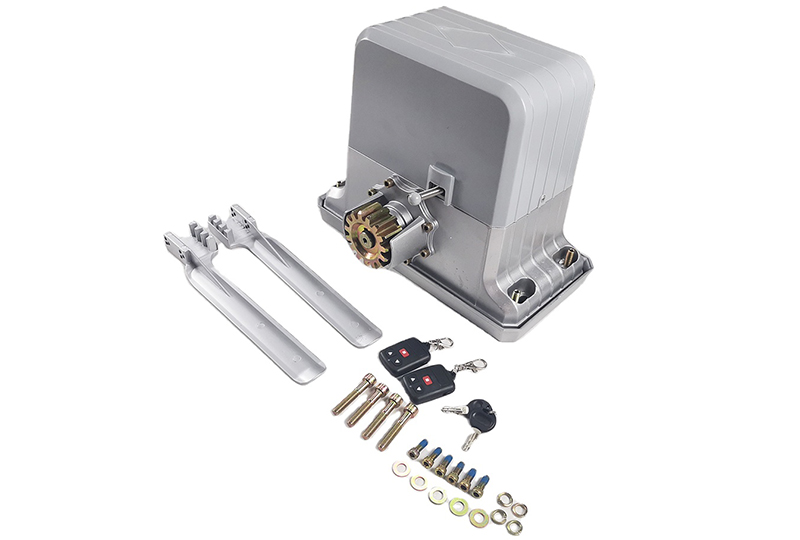
Trong khi nhiều bộ điều khiển mở cổng chỉ đơn giản là các động cơ xoay chiều (AC) kết hợp với rơ-le, thì PY1800 tích hợp một thiết kế cơ khí tự động hóa được ghi chú trong hướng dẫn sử dụng là "thiết kế cơ khí tự động hóa tích hợp." Điều này có nghĩa là bảng điều khiển không phải là một hộp bên ngoài lắp trên tường gần đó, mà được đặt bên trong thân động cơ (trang 6, Hình 8). Giải pháp này mang lại ba lợi ích tức thời: giảm thời gian lắp đặt, bảo vệ bảng điều khiển khỏi tác động của thời tiết và hành vi phá hoại, đồng thời rút ngắn độ dài dây nối, từ đó giảm nhiễu điện.
Tuy nhiên, tính năng thực sự mới mẻ là chức năng sưởi ấm tự động thông minh (Mục 4.8). Hướng dẫn sử dụng nêu rõ rằng khi nhiệt độ môi trường giảm xuống dưới 0°C (32°F), động cơ sẽ tự động làm nóng chính nó. Đây là điều rất hiếm gặp ở các thiết bị mở cửa dành cho người tiêu dùng. Ý nghĩa kỹ thuật của tính năng này rất quan trọng: nó ngăn chặn dầu bôi trơn đặc lại (được đề cập trong Mục 8.1 về loại dầu bôi trơn chống đông) và tránh hiện tượng các thành phần từ tính và điện của động cơ trở nên giòn hoặc bị kẹt. Đối với người dùng tại Siberia, Canada hay Bắc Âu, đây không phải là một tiện nghi — mà là yêu cầu bắt buộc để vận hành thiết bị.
Cơ chế giải phóng (Mục 5.5 và Hình 6) trông đơn giản một cách gian lận: chèn chìa khóa, xoay 90 độ theo chiều kim đồng hồ rồi kéo tay gạt. Tuy nhiên, cách diễn đạt trong hướng dẫn sử dụng tiết lộ một mô hình hành vi người dùng quan trọng. Hướng dẫn nêu rõ rằng khi cơ chế giải phóng ở trạng thái mở, bạn có thể đẩy cổng bằng tay; khi đóng lại, cổng sẽ tự động dừng tại thanh giới hạn.
Thông tin mới mẻ ở đây là việc kỳ vọng vào thao tác can thiệp thủ công. Nhiều bộ mở cổng hiện đại sử dụng cơ cấu truyền động bằng vít me hoặc bánh răng trượt (worm gear), vốn về bản chất không thể quay ngược (nghĩa là bạn không thể đẩy cổng mở ra khi động cơ đang hoạt động). Ly hợp của PY1800 là một cơ cấu ngắt kết nối cơ học có chủ đích. Sách hướng dẫn sử dụng nhấn mạnh rằng trong trường hợp mất điện, bạn sẽ phải sử dụng chức năng này. Tuy nhiên, điều khôn ngoan ẩn chứa nằm ở phần gỡ lỗi (7.1.3): "Đảm bảo rằng cổng có thể được di chuyển bởi một người trưởng thành khi ly hợp đang ở trạng thái mở." Đây là một bài kiểm tra chẩn đoán thông minh và đơn giản về mặt kỹ thuật. Nếu bạn không thể di chuyển cổng bằng tay khi ly hợp đã ngắt kết nối, thì động cơ cũng sẽ không bao giờ di chuyển cổng một cách chính xác khi có điện. Ma sát không phải do lỗi của động cơ — mà do ray dẫn hướng, bánh xe hoặc độ căn chỉnh thanh răng của cổng. Câu văn duy nhất này giúp phân biệt rõ ràng giữa các vấn đề lắp đặt cơ khí và các sự cố liên quan đến động cơ điện.
Mục 4 liệt kê lặp đi lặp lại các tính năng "chống va chạm": tự động hãm khi gặp chướng ngại vật (4.3), ổ cắm chống va chạm (4.4) và hệ thống chống va chạm dựa trên tế bào quang điện (4.5). Tuy nhiên, Mục 7.1.5 tiết lộ logic thực sự: "Ba biện pháp đảm bảo an toàn cho bạn: bộ dò vòng, tế bào quang điện và chức năng chống va chạm." Đặc biệt, các chức năng này bị vô hiệu hóa trong quá trình cửa đang mở. Đây là một mô hình an toàn mang tính đột phá.
Tại sao phải vô hiệu hóa chức năng này trong quá trình mở? Bởi vì khi cổng mở, nó di chuyển ra xa khu vực được bao quanh, do đó mức độ rủi ro kẹt người hoặc phương tiện là thấp hơn. Rủi ro cao nhất xảy ra trong quá trình đóng. Hướng dẫn sử dụng nêu rõ rằng trong quá trình đóng, nếu gặp chướng ngại vật, cổng sẽ dừng lại và đảo chiều về vị trí mở hoàn toàn. Nếu tia hồng ngoại của tế bào quang điện bị gián đoạn, cổng cũng sẽ đảo chiều để mở ra. Bộ dò vòng cảm ứng (dành cho xe cộ) kích hoạt chế độ mở trong 10 giây, sau đó tự động đóng lại. Cơ chế phản hồi đa lớp này—cơ học (chống va đập), quang học (tế bào quang điện) và cảm ứng (vòng cảm ứng)—rất hiện đại. Hướng dẫn sử dụng thậm chí còn cung cấp khả năng điều chỉnh độ nhạy cho tính năng chống va đập (xoay theo chiều kim đồng hồ = độ nhạy cao hơn), cho phép hiệu chỉnh tinh vi phù hợp với các loại cổng nhôm nhẹ hoặc cổng sắt rèn nặng.
Mục 5.3 về việc lắp đặt thanh răng chứa một chi tiết nhỏ, dễ bỏ sót nhưng lại mang ý nghĩa cơ học sâu sắc. Mục này nêu rõ: "Chúng tôi đề xuất một phương pháp… điều chỉnh thanh răng 1 và thanh răng 2 sau khi căn chỉnh hai thanh răng bằng thanh răng điều chỉnh nhỏ" (Trang 4, Hình 4). Hầu hết các hướng dẫn sử dụng chỉ đơn giản ghi "căn chỉnh các thanh răng." Hướng dẫn sử dụng PY1800 ngụ ý việc sử dụng hoặc bao gồm một "thanh răng điều chỉnh nhỏ"—một công cụ tạm thời hoặc chuyên dụng nhằm đảm bảo độ ăn khớp hoàn hảo giữa các bánh răng.
Mô-đun bánh răng là M=4, với bánh răng chủ động có 15 răng (Trang 11, Lưu ý #2). Đây là loại bánh răng thô, chắc chắn, được thiết kế để chịu mô-men xoắn cao (tối đa 35 Nm). Khe hở giữa các răng bánh răng phải được gia công chính xác. Nếu khe quá nhỏ, động cơ sẽ bị quá tải; nếu khe quá lớn, cổng sẽ rung lắc và trượt răng. "Thanh răng điều chỉnh nhỏ" là một giải pháp sáng tạo: bạn tạm thời sử dụng một đoạn thanh răng được gia công chính xác để thiết lập khoảng cách giữa bánh răng chủ động của động cơ và thanh răng cổng. Sau khi thiết lập xong khe hở này, bạn tháo thanh điều chỉnh ra và cố định vĩnh viễn các thanh răng chính. Đây là một thủ thuật chuyên nghiệp dành cho thợ lắp đặt, được trình bày một cách giản dị trong văn bản.
Mục "Các hình vẽ đính kèm" (trang 12) giới thiệu chức năng Bus — một thiết bị giao tiếp tùy chỉnh dành cho các giao diện khác. Đây không phải là tiếp điểm khô tiêu chuẩn hay rơ-le. Chức năng này xác định dạng sóng giao tiếp và mức điện áp cụ thể, với các ví dụ như "Mở: 6543H." Đây là một giao thức nối tiếp hệ thập lục phân. Điều này có gì mới mẻ? Bởi vì điều đó có nghĩa là thiết bị PY1800 có thể được tích hợp vào hệ thống tự động hóa gia đình (như Control4, Crestron hoặc dự án Arduino tùy chỉnh) mà không cần can thiệp bằng phương pháp 'hack'. Hầu hết các bộ mở cửa giá rẻ chỉ cung cấp bộ thu sóng vô tuyến đơn giản. Trong khi đó, PY1800 cung cấp một bus kỹ thuật số, cho thấy thiết bị này được thiết kế nhằm phục vụ tích hợp trong môi trường thương mại hoặc dân dụng cao cấp.
Ngoài ra, phần Thông báo (trang 11) cảnh báo: "Điện áp làm việc là 10% của điện áp định mức." Điều này dường như là một sự nhập nhằng trong bản dịch. Khi đọc trong bối cảnh bảng thông số kỹ thuật (trang 2), ý nghĩa thực tế là dung sai điện áp là ±10% so với điện áp định mức (ví dụ: 220 V ± 10% = 198–242 V). Đối với những khu vực có nguồn cung cấp điện không ổn định, cần sử dụng bộ điều chỉnh điện áp. Đây là một thừa nhận trung thực về độ nhạy của động cơ, nhằm bảo vệ người dùng trước các hiện tượng sụt áp tạm thời có thể làm cháy tụ điện hoặc bo mạch điều khiển.
Mục 7.1.4 chứa một quy tắc vận hành kỳ lạ nhưng hợp lý: "Nếu cổng đang chạy theo hướng mở, nó sẽ không phản hồi lệnh ĐÓNG." Ban đầu, điều này nghe giống như một lỗi phần mềm. Tuy nhiên, đây là một tính năng an toàn. Bộ điều khiển ngăn chặn việc đảo chiều chuyển động mà không có lệnh DỪNG rõ ràng. Điều này loại bỏ khả năng cổng đập mạnh vào vị trí đóng giới hạn trong khi vẫn đang di chuyển theo hướng mở do hàn dính rơ-le hoặc đấu dây sai. Quy tắc này bắt buộc phải dừng chủ đích trước khi đảo chiều. Đây là một thiết kế dự phòng an toàn.
Hơn nữa, việc điều chỉnh công tắc giới hạn (7.1.2) yêu cầu bạn phải ấn trực tiếp vào công tắc giới hạn để kiểm tra việc dừng động cơ. Đây là một bài kiểm tra tắt bỏ chế độ tự động bằng tay, nhằm xác nhận rằng vị trí vật lý của thanh giới hạn (được điều chỉnh tại Mục 5.4) thực sự kích hoạt công tắc giới hạn lò xo. Nhiều kỹ thuật viên lắp đặt bỏ qua bước này, cho rằng các giới hạn từ tính hoặc điện tử sẽ hoạt động đúng. Tuy nhiên, PY1800 sử dụng tiếp xúc vật lý, phương pháp đáng tin cậy hơn trong các môi trường nhiều bụi hoặc có băng giá.
Mục 11 ("Điều khoản dịch vụ") rất thẳng thắn: "Thiết bị mở cổng không được bảo hành." Điều này có thể được dịch là "không có bảo hành ngầm định nào ngoài thời hạn bảo hành theo luật định" hoặc "thời hạn bảo hành không được quy định trong tài liệu này." Tuy nhiên, sau đó là "Không nằm trong các hạng mục dịch vụ" và "Việc nâng cấp và cải tiến sản phẩm sẽ không được thông báo." Đây là một tuyên bố từ chối trách nhiệm trực tiếp đáng hoan nghênh. Nó cho người dùng biết: đây là một công cụ chuyên nghiệp; bạn được kỳ vọng sẽ bảo trì nó (Mục 8: kiểm tra dầu hàng tháng, sau đó hàng năm; siết chặt các bộ phận bị lỏng). Nhà sản xuất không hỗ trợ, không cập nhật phần mềm, không thu hồi sản phẩm. Đây không phải là sản phẩm tiêu dùng có số điện thoại hỗ trợ. Đây là một linh kiện công nghiệp.
Hướng dẫn sử dụng bộ điều khiển cổng trượt PY1800 là một tài liệu đầy mâu thuẫn: bố cục đơn giản nhưng kỹ thuật phức tạp. Các tính năng mới của sản phẩm—sưởi ấm tự động, ly hợp thủ công dùng làm công cụ chẩn đoán, hệ thống an toàn phân lớp và có điều kiện, giao diện bus hệ thập lục phân và hệ thống công tắc giới hạn vật lý—cho thấy đây là một sản phẩm được thiết kế để vận hành trong những điều kiện khắc nghiệt, chứ không phải để trưng bày trong phòng trưng bày. Giá trị thực sự của cuốn hướng dẫn không nằm ở các bảng biểu và sơ đồ mà ở triết lý vận hành: hãy tôn trọng cơ cấu cơ khí, kiểm tra thủ công trước khi cấp điện và kỳ vọng các thành phần điện tử hoạt động một cách thông minh, có điều kiện. Đối với thợ lắp đặt hoặc chủ nhà sẵn sàng đọc sâu giữa những dòng chữ, PY1800 không chỉ mang đến một bộ điều khiển cổng, mà còn là một khóa học chuyên sâu về tự động hóa bền bỉ.
 Tin nóng
2026-03-11
Copyright © 2026 Chisung Intelligence Technology (Shenzhen) Co., Limited All rights reserved. - CHÍNH SÁCH BẢO MẬT
 EN
EN