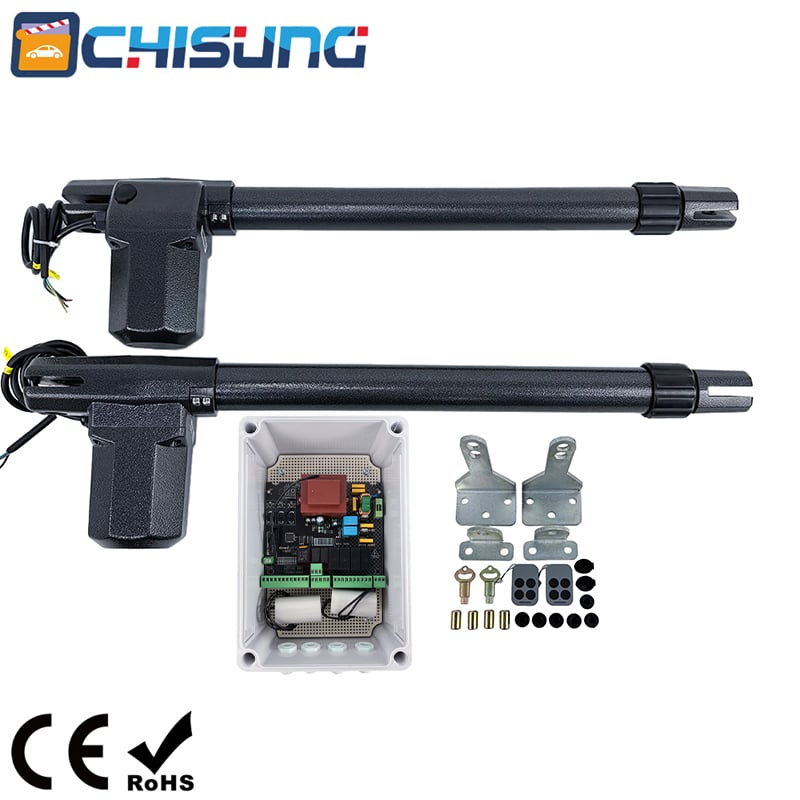
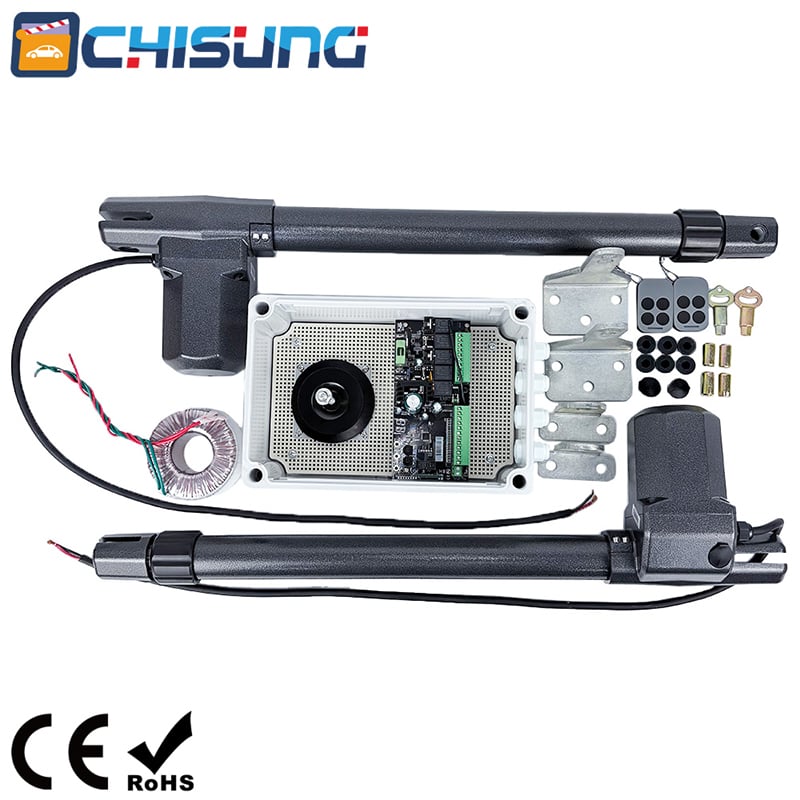
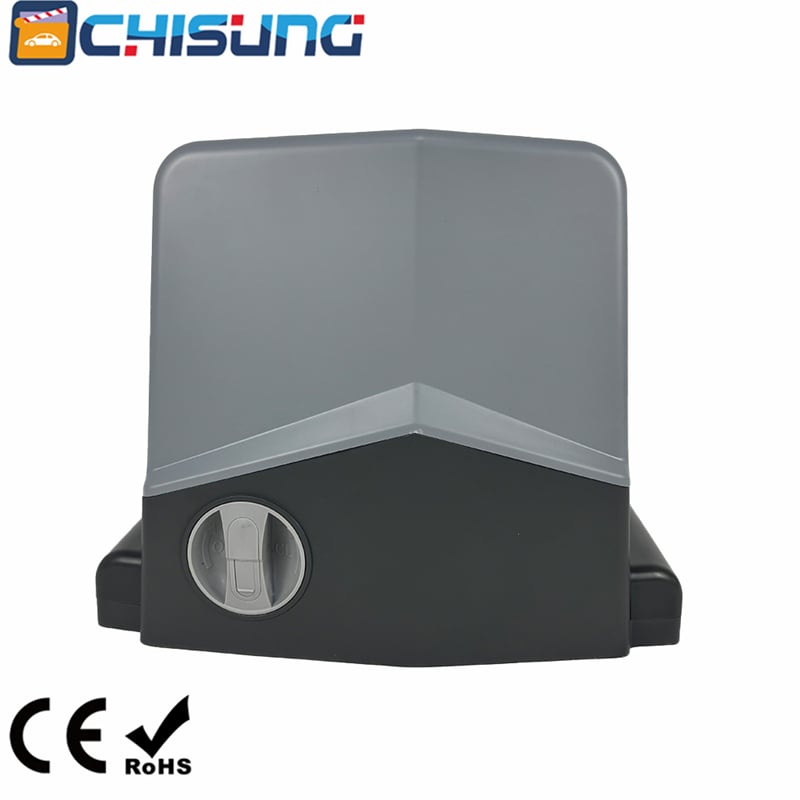
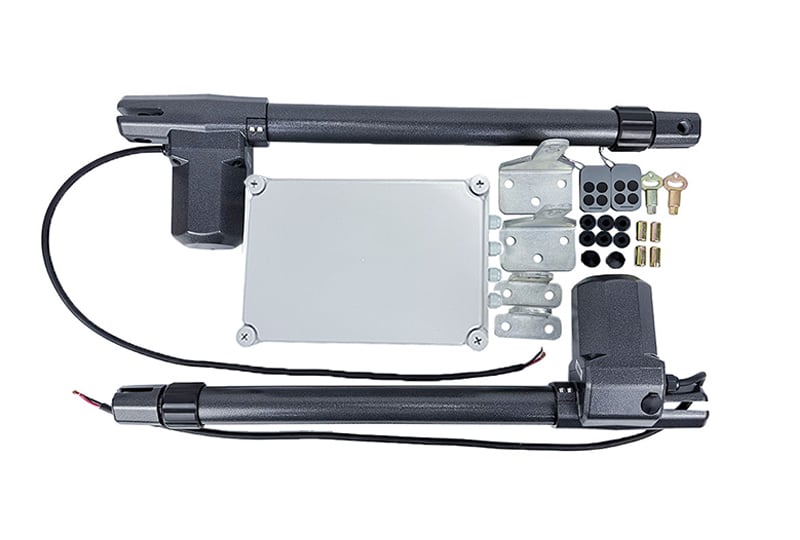
Sa isang panahon kung saan ang matalinong awtomasyon ay binabago ang mga tirahan at komersyal na ari-arian, hindi pa kailanman gaanong kailangan ang matatag, ligtas at matalinghagang mga sistema ng gate. Ang KingKong Automatic Swing Gate Opener, tulad ng inilalahad sa opisyal na manual nito na sertipikado ng CE, ay isang malakas na solusyon para sa mabigat na paggamit. Ngunit sa labas ng mga teknikal na diagram at mga eskematiko ng kable ay may mas malalim na kuwento tungkol sa pilosopiya ng inhinyerya, kaligtasan ng gumagamit, at ang hinaharap ng kontrol sa pagpasok. Ang artikulong ito ay muling binubuo ang pangunahing nilalaman ng manual, na nagbibigay ng bagong pananaw kung bakit ang sistema ng KingKong ay isang natatanging pagpipilian—at ano ang dapat alamin ng bawat installer o may-ari ng bahay bago i-mount ang mekanikal na hayop na ito.
Isa sa mga pinakakilala at kakaiba sa serye ng KingKong ang pagkakahati nito sa dalawang magkaibang sistema ng kapangyarihan: ang mga modelo ng AC na KK-220-400/600 at ang mga modelo ng DC na KK-24-400/600. Bagaman parehong may matibay na kahon na may rating na IP45 at saklaw ng temperatura sa operasyon mula -20°C hanggang 50°C, malaki ang pagkakaiba ng kanilang panloob na katangian.
Ang teknikal na talahanayan sa manwal ay tahimik na nagbubunyag ng isang desisyong pangdisenyo: mas mabilis ang bilis ng pag-ikot ng mga motor ng DC (1800 RPM) ngunit mas kaunti ang puwersang nililikha nito, kaya't mas mabilis ngunit mas mahinahon—na perpekto para sa mga residential na hardin kung saan naglalaro ang mga bata at alagang hayop.
Itinatago sa paglalarawan ng mekanikal ang isa sa mga pinakabayaang tampok para sa kaligtasan: ang worm screw drive. Ang manual ay nagsasaad na ang operador ay "hindi mabaligtad at mekanikal na nakakandado kapag hindi ginagamit ang motor." Ano ang ibig sabihin nito para sa huling gumagamit? Ibig sabihin nito na kapag isinara (o binuksan) na ang gate, walang anumang lakas ng hangin, pagpupush, o panlabas na puwersa ang makakagalaw man lang ng mga pinto nang manu-mano nang hindi ginagamit ang key para sa pag-release.
Ang mekanismong ito na nagkakandado sa sarili nito ay nagtatanggal ng pangangailangan ng hiwalay na electromagnetic lock para sa mga gate na may sukat na hanggang 1.5 metro bawat pinto. Para sa mas malalawak na span (mga 2 metro pataas), inirerekomenda ng manual nang matalino ang karagdagang lock. Ngunit ang pangunahing aral ay ang kagandahan sa pamamagitan ng inhinyerya—ang motor mismo ang naging seguridad ng gate.
Ang manwal ay nagbibigay ng malaking pansin sa mga paunang pagsusuri at may mabuting dahilan para dito. Ang KingKong ay malinaw na nagsisibiling walang pananagutan para sa "deformasyon na maaaring mangyari habang ginagamit" ang mga gate na hindi maayos ang pagkakagawa. Ito ay hindi isang lagay na maaaring gamitin bilang loop-hole; ito ay isang babala. Dapat lumipad nang malaya ang gate nang walang alat, dapat may matitibay na mekanikal na stop, at dapat may tamang sistema ng pagkonekta sa lupa (earthing).
Isipin ang pag-install ng isang engine ng Ferrari sa isang nabubulok na go-kart. Ang resulta ay magiging parehong mapanganib at nakakadismaya. Katulad nito, ang operator ng KingKong ay nangangailangan ng isang kapareha—ang istruktura ng gate—na sumusunod sa mga pamantayan ng EN 12604 at EN 12605. Ang pagpapalakas ng manwal sa "positibong stop para sa mga huling bahagi ng gate sa bukas at saradong posisyon" ay isang mahalagang hakbang na hindi pwedeng balewalain. Kung wala ang mga stop na ito, maaaring lumampas ang operator, na magdudulot ng pinsala sa sarili nito o sa gate.
Isa sa mga pinakapraktikal—at madalas ay nakakatakot—na bahagi ng manwal ang mga talahanayan ng sukat para sa mga stroke na 400 mm (KK-400) at 600 mm (KK-600). Ang mga baryabol na W, X, Y, at Z ang nagtatakda ng heometriya ng pagmamontaha. Halimbawa, sa isang stroke na 400 mm, kung ang distansya ng likurang bracket (W) ay 90 mm, ang offset ng harapang bracket (Z) ay 150 mm. Ang mga ratio na ito ay nagsisiguro na ang operator ay maaaring pahabain at i-retract nang walang pagkakalagay sa haligi o pagkakabit.
Ang payo ng manwal na "suriin nang maingat kung ang distansya sa pagitan ng bukas na pinto at anumang hadlang ay mas mataas kaysa sa operator" ay isang klasikong aral sa tunay na pag-install. Maraming baguhan sa pag-install ang nakatuon lamang sa timbang ng gate, na nakakalimutan na ang isang malapit na pader o bakod ay maaaring pindutin ang braso ng operator habang ito ay gumagalaw.
Ang KingKong ay hindi nagbebenta lamang ng isang motor; nagbebenta ito ng isang ecosystem ng kaligtasan. Ang manwal ay direktang binabanggit ang EN 12453 at EN 12445 (kaligtasan ng mga pintuang may kuryente at gate) at ipinapag-utos ang paggamit ng mga device na may kaligtasan na sumusunod sa EN 12978. Kasali rito ang mga photocell, mga lampara na kumikislap, at mga babala.
Ang lohika ng kaligtasan ay hiyerarkikal:
Ang instruksyon sa manwal na "putulin ang suplay ng kuryente bago subukan ang anumang gawain" ay karaniwan, ngunit ang pagsisiguro nito na gagamitin ang isang all-pole switch na may 3mm na agwat sa contact ay isang tiyak na kinakailangan na may legal na bisa sa maraming bansa sa Europa. Ito ay hindi isang payo; ito ay isang pangangailangan para sa pagsunod sa regulasyon.
Karamihan sa mga awtomatikong manwal ay itinuturing ang pagpapanatili bilang isang panghuli na isipan. Ang KingKong, gayunman, ay nagbibigay ng malinaw at maisasagawang listahan para sa dulo ng gumagamit: punasan ang mga photocell, suriin ang anumang balakid, at lubrikan ang mga sambungan gamit ang grease kapag narinig ang ingay. Kapansin-pansin, inaatasan ng manwal ang mga gumagamit na huwag subukang gawin ang panloob na pagkukumpuni—tanging mga kwalipikadong tauhan lamang ang maaaring buksan ang operator.
Ang pinakabagong tip sa pagpapanatili ay ang pagsusuri sa mga photocell sa pamamagitan ng "paggalaw ng isang bagay sa harap nila habang isinasara ang gate." Ang simpleng pagsusuring ito na umaabot lamang sa 30 segundo ay maaaring maiwasan ang matitinding sugat. Binabalaan din ng manwal ang mga gumagamit laban sa paglaki ng mga halaman papasok sa sinag ng photocell—isa ring kahanga-hangang karaniwang pagkakalimutan sa mga nabubuhay sa mga sariwang suburbanong lugar.
Kahit na lubos na detalyado ang dokumento, ang pagbasa sa pagitan ng mga linya ay nagbubunyag ng karagdagang karunungan:
Ang manual ng KingKong ay hindi panuluyan para sa pagbasa bago matulog—ito ay isang teknikal na kasunduan sa pagitan ng installer, ng gumagamit, at ng batas. Ang kanyang lakas ay nasa matatag na diin sa mga pamantayan sa kaligtasan (EN12453, EN12978) at sa mekanikal na katiyakan. Ang kanyang kahinaan, kung mayroon man, ay ang makapal at legal na tono na maaaring pabigatin ang isang DIY homeowner. Gayunpaman, dahil ang manual ay malinaw na nagsasaad na "dapat isagawa ang installation ng mga ekspertong kwalipikadong personal", ang ganitong densidad ay angkop.
Para sa propesyonal na installer, ang sistema ng KingKong ay nag-aalok ng isang bihira ngunit kapana-panabik na kombinasyon ng kahigpitang lakas (2800N na thrust), mekanismong may sariling pagkakabit (self-locking), at malinaw na mga gabay sa dimensyon. Para sa huling gumagamit, ang pangako ay simple lamang: isang gate na bukas nang mahina tulad ng bulong, tumitigil nang tiyak, at nakakakandado gamit ang lakas ng isang mekanikal na budhi.
Sa huli, ang KingKong Automation Swing Gate Opener ay higit pa sa isang motor—ito ay isang pahayag na ang pagpasok sa iyong ari-arian ay dapat maging walang kabagabagan, ligtas, at hindi nababago. Tandaan lamang na i-install ang mga mekanikal na stop.
 Mga Maiinit na Balita
2026-03-11
Copyright © 2026 Chisung Intelligence Technology (Shenzhen) Co., Limited All rights reserved. - PATAKARAN SA PAGKAPRIBADO
 EN
EN