
 EN
EN
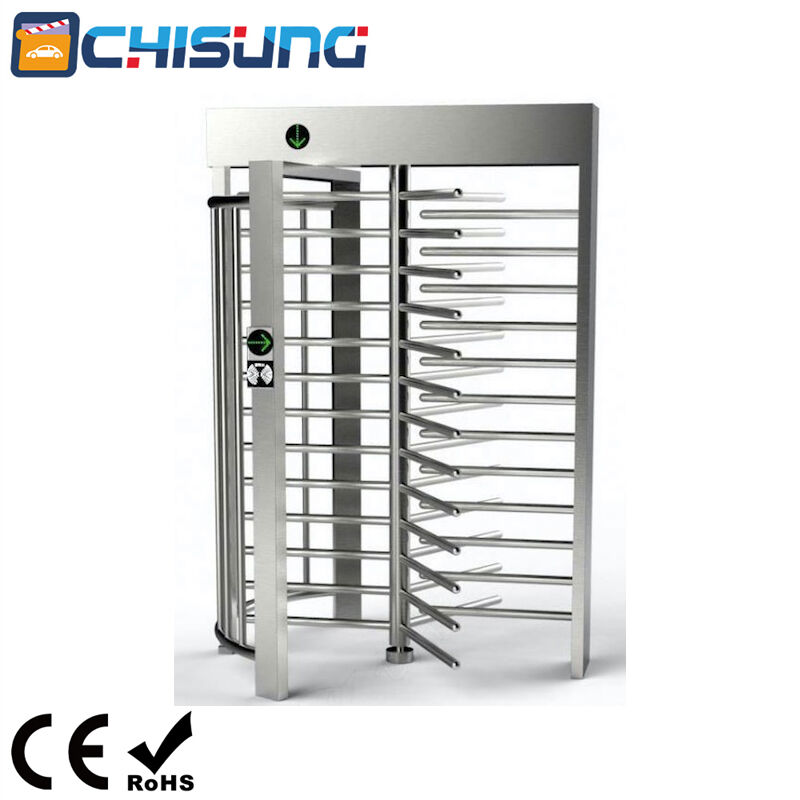
Understanding the investment required for turnstile gate installation involves evaluating multiple factors that significantly impact the overall project cost. Modern security installations require careful planning and budgeting to ensure optimal performance while maintaining cost-effectiveness. Organizations across various industries are increasingly implementing turnstile gate systems to enhance access control and improve security protocols at their facilities.

The financial commitment for turnstile gate projects extends beyond the initial hardware purchase price. Professional installation services, electrical work, system integration, and ongoing maintenance contribute to the total cost of ownership. Smart business leaders recognize that understanding these comprehensive expenses upfront enables better decision-making and prevents budget overruns during implementation phases.
Turnstile Gate Hardware Categories and Pricing
Basic Mechanical Turnstile Gate Options
Entry-level mechanical turnstile gate systems typically range from $800 to $2,500 per unit, depending on construction materials and operational features. These systems offer reliable pedestrian access control without electronic components, making them suitable for basic security applications. Stainless steel construction models command higher prices due to enhanced durability and weather resistance properties.
Standard mechanical units include tripod turnstiles, waist-high barriers, and full-height rotating gates designed for outdoor installations. The pricing variation reflects differences in arm configurations, locking mechanisms, and aesthetic finishes. Organizations seeking cost-effective solutions often choose mechanical turnstile gate systems for non-critical access points where advanced features are unnecessary.
Electronic Access Control Turnstile Gate Systems
Electronic turnstile gate installations incorporate sophisticated access control technology, with pricing ranging from $2,000 to $8,000 per unit before installation costs. These systems feature card readers, biometric scanners, and integrated software platforms that enhance security capabilities. Advanced models support multiple authentication methods and provide detailed reporting functionality for administrative oversight.
Premium electronic systems include speed gates, optical turnstiles, and security mantrap configurations designed for high-traffic corporate environments. The investment in electronic turnstile gate technology delivers superior access control precision and user experience compared to mechanical alternatives. Integration capabilities with existing security infrastructure justify the higher initial cost through operational efficiency gains.
Premium Security Turnstile Gate Solutions
High-security turnstile gate installations can cost $8,000 to $25,000 per unit, reflecting advanced materials, sophisticated electronics, and specialized manufacturing requirements. These systems feature anti-tailgating sensors, emergency egress capabilities, and robust construction suitable for critical infrastructure protection. Government facilities, data centers, and pharmaceutical companies commonly invest in premium-grade turnstile gate systems.
Specialized features such as facial recognition integration, metal detection capabilities, and explosive detection compatibility drive costs toward the upper end of the pricing spectrum. The turnstile gate systems at this level provide comprehensive security solutions that justify the substantial investment through risk mitigation and regulatory compliance benefits.
Installation Labor and Professional Services
Site Preparation and Infrastructure Requirements
Professional site preparation for turnstile gate installation typically costs between $500 and $2,000 per location, depending on existing infrastructure conditions and required modifications. Concrete cutting, electrical conduit installation, and network cable routing represent common preparation activities. Complex installations requiring structural modifications or underground utility work can significantly increase preparation expenses.
Experienced contractors evaluate site conditions to determine optimal turnstile gate placement and identify potential installation challenges. Proper preparation ensures reliable system operation and minimizes future maintenance requirements. Organizations benefit from investing in thorough site preparation to avoid costly modifications after turnstile gate installation completion.
Electrical and Network Integration Services
Electrical installation services for turnstile gate systems range from $300 to $1,200 per unit, reflecting power requirements and complexity of control system integration. Licensed electricians handle power connections, emergency circuit installations, and compliance with local electrical codes. Network integration for electronic systems requires additional expertise in data communications and cybersecurity protocols.
Professional installation teams coordinate electrical work with turnstile gate mechanical installation to ensure seamless system operation. Quality electrical installation prevents operational issues and ensures long-term reliability of turnstile gate systems. Organizations should budget for electrical upgrades when existing infrastructure cannot support modern electronic access control requirements.
Factors Affecting Turnstile Gate Installation Costs
Project Scale and Quantity Considerations
Large-scale turnstile gate installations benefit from volume pricing discounts that can reduce per-unit costs by 15-30% compared to single-unit purchases. Manufacturers and contractors offer preferential pricing for projects involving multiple locations or high unit quantities. The economies of scale in turnstile gate procurement make larger projects more cost-effective per access point.
Project coordination costs decrease on a per-unit basis when installing multiple turnstile gate systems simultaneously. Shared mobilization expenses, bulk material ordering, and efficient scheduling contribute to overall cost savings. Organizations planning facility expansions should consider implementing turnstile gate systems comprehensively rather than through phased installations.
Location and Site Accessibility Factors
Remote or difficult-to-access installation sites can increase turnstile gate project costs by 20-50% due to transportation challenges and extended labor requirements. Urban installations may face permit fees, parking restrictions, and after-hours work requirements that impact overall project expenses. Geographic location affects labor rates, material transportation costs, and local regulatory compliance requirements.
Specialized equipment requirements for turnstile gate installation in challenging environments add to project costs but ensure proper system deployment. Experienced contractors factor site-specific challenges into project pricing to avoid cost overruns. Organizations should communicate site limitations clearly during the planning phase to receive accurate turnstile gate installation estimates.
Ongoing Maintenance and Operational Expenses
Preventive Maintenance Service Contracts
Annual maintenance contracts for turnstile gate systems typically cost 10-15% of the initial hardware investment, providing regular service visits and priority support. Comprehensive maintenance programs include cleaning, lubrication, calibration, and component replacement services. Professional maintenance extends turnstile gate system lifespan and maintains optimal performance levels.
Preventive maintenance identifies potential issues before they cause system failures, reducing emergency repair costs and operational disruptions. Turnstile gate systems operating in harsh environments require more frequent maintenance intervals and higher service contract costs. Organizations should evaluate maintenance requirements during the initial turnstile gate selection process to understand total cost of ownership.
Technology Upgrades and Modernization
Technology refresh cycles for electronic turnstile gate systems occur every 5-8 years, requiring budget allocations for hardware and software upgrades. Advancing security standards and connectivity requirements drive periodic modernization needs. Planning for turnstile gate technology upgrades prevents obsolescence and maintains security effectiveness.
Software licensing and cloud service fees represent ongoing operational expenses for modern turnstile gate systems with advanced features. Integration costs for new technologies and compliance updates should be considered in long-term budgeting. Forward-thinking organizations allocate annual technology budgets to ensure their turnstile gate systems remain current and secure.
Return on Investment Analysis
Security Risk Mitigation Benefits
Turnstile gate installations provide quantifiable security benefits that offset implementation costs through risk reduction and incident prevention. Unauthorized access prevention, visitor tracking capabilities, and emergency response improvements contribute to overall security program effectiveness. Insurance premium reductions and regulatory compliance benefits may provide additional financial returns.
Professional security assessments help organizations quantify potential losses prevented by turnstile gate implementations. The ability to control access precisely and maintain audit trails supports compliance requirements and liability reduction. Organizations with high-value assets or sensitive operations typically realize faster payback periods from turnstile gate investments.
Operational Efficiency Improvements
Automated access control through turnstile gate systems reduces staffing requirements for reception and security functions, generating ongoing labor cost savings. Electronic visitor management integration streamlines check-in processes and reduces administrative overhead. The efficiency gains from turnstile gate automation often justify the initial investment within 2-3 years.
Data collection capabilities of modern turnstile gate systems provide valuable insights for space utilization optimization and staffing decisions. Accurate occupancy tracking supports emergency planning and compliance reporting requirements. Organizations leveraging turnstile gate data for operational improvements realize additional value beyond security benefits.
FAQ
What is the typical installation timeline for a turnstile gate project
Standard turnstile gate installations require 2-4 weeks from project approval to system commissioning, depending on site complexity and customization requirements. Simple mechanical installations may complete within one week, while complex electronic systems with extensive integration needs can extend to 6-8 weeks. Site preparation requirements and permit approvals often determine the critical path for project completion.
Are there ongoing licensing fees for turnstile gate software
Modern electronic turnstile gate systems often include annual software licensing fees ranging from $200 to $800 per system, depending on feature complexity and cloud service integration. Basic systems may operate without ongoing fees, while advanced platforms require subscriptions for software updates, cloud connectivity, and technical support services. Organizations should clarify licensing requirements during the procurement process.
How do weather conditions affect turnstile gate installation costs
Outdoor turnstile gate installations require weather-resistant materials and protective enclosures that can increase costs by 25-40% compared to indoor installations. Extreme climate conditions necessitate specialized components, heating systems, and enhanced sealing to ensure reliable operation. Installation scheduling during favorable weather conditions helps minimize weather-related cost impacts.
What warranty coverage is standard for turnstile gate systems
Standard turnstile gate warranties typically cover 1-2 years for mechanical components and 1-3 years for electronic systems, with extended warranty options available for additional cost. Comprehensive warranties include parts, labor, and software support, while basic warranties may exclude installation labor and consumable components. Premium manufacturers often provide longer warranty periods and enhanced support services to differentiate their turnstile gate offerings.