
 EN
EN
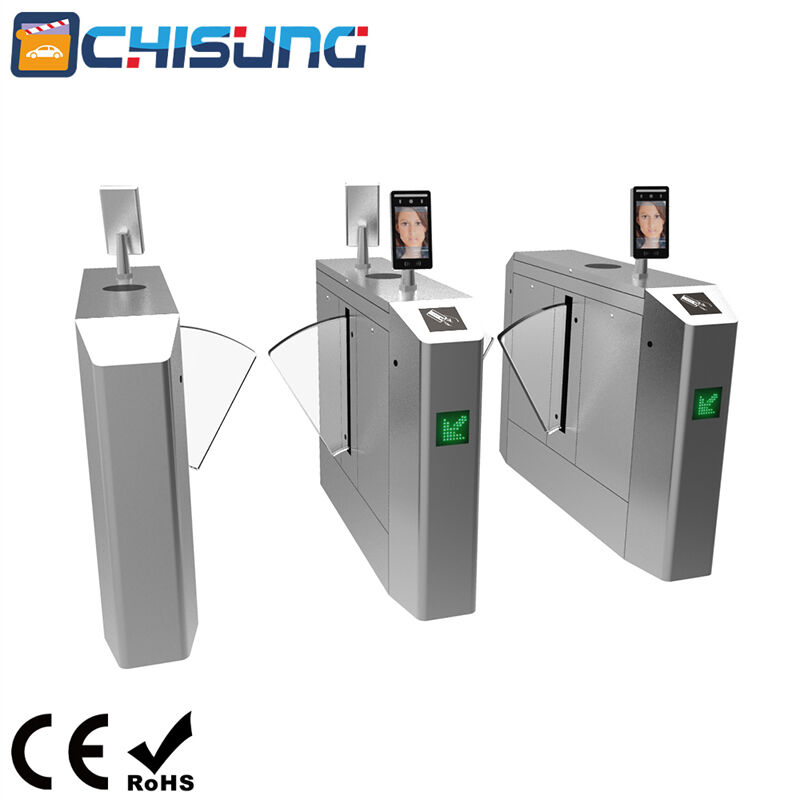
Modern access control systems have revolutionized how organizations manage pedestrian traffic, with the flap gate standing out as a sophisticated solution that combines security, efficiency, and user convenience. Unlike traditional turnstiles or barriers, flap gate technology offers unique installation requirements and operational characteristics that set it apart from conventional access control methods. The installation process for these advanced systems involves specialized considerations that distinguish them from simpler gate mechanisms, making proper planning and execution crucial for optimal performance.
Technical Foundation Requirements for Flap Gate Systems
Structural Considerations and Load Distribution
The foundation requirements for flap gate installation differ significantly from standard gate systems due to the precise mechanical tolerances required for smooth operation. These systems demand a perfectly level concrete foundation with minimal vibration transmission, as even slight irregularities can affect the flap mechanism's alignment and long-term reliability. The foundation must accommodate not only the weight of the unit but also the dynamic forces generated during high-traffic operation periods.
Professional installers typically require a foundation depth of at least 150mm with reinforcement bars to prevent settling or cracking over time. The concrete mixture must meet specific compression strength standards, usually exceeding 25 MPa, to ensure the flap gate remains stable under continuous use. This level of structural preparation exceeds what most conventional gates require, making the installation process more complex and time-sensitive.
Electrical Infrastructure and Power Management
Flap gate systems require sophisticated electrical infrastructure that goes beyond simple power supply connections. The installation must include dedicated circuits for the motor control system, sensor networks, and backup power solutions to ensure continuous operation during power fluctuations. Each flap gate typically requires a three-phase power supply with specific voltage tolerances that must be maintained throughout the installation area.
The electrical installation also involves complex grounding systems to prevent electromagnetic interference that could disrupt the sensitive control electronics. Professional installers must ensure proper cable management, surge protection, and isolation transformers to protect the investment and maintain optimal performance standards that distinguish flap gate technology from simpler access control alternatives.
Mechanical Precision and Alignment Specifications
Flap Mechanism Calibration Requirements
The mechanical installation of a flap gate demands extraordinary precision in alignment and calibration that sets it apart from conventional gate installations. The flap panels must be positioned with millimeter-level accuracy to ensure smooth operation and prevent premature wear of the mechanical components. This precision requirement means that installers must use specialized measuring equipment and follow strict geometric tolerances throughout the installation process.
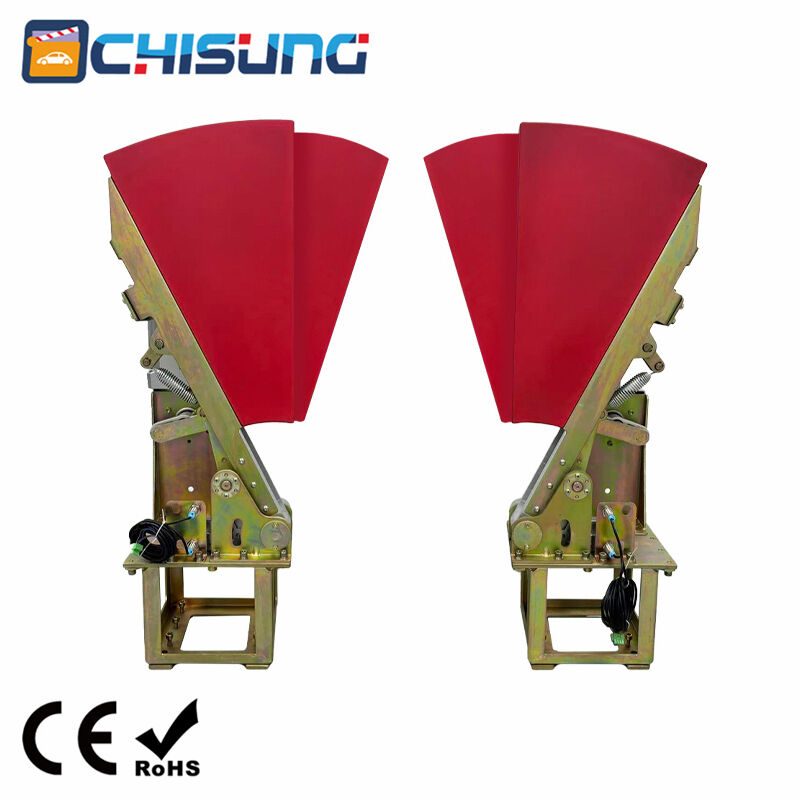
Each flap panel operates within a precisely defined arc of movement, requiring careful adjustment of the pivot points, spring tensions, and stopping mechanisms. The installation process involves multiple calibration cycles to achieve the optimal balance between security effectiveness and user comfort. This level of mechanical precision distinguishes flap gate installation from simpler barrier systems that can tolerate greater installation tolerances.
Integration with Access Control Systems
Modern flap gate installations require seamless integration with sophisticated access control networks, involving complex programming and system configuration that exceeds the requirements of basic gate systems. The installation process must account for multiple communication protocols, including TCP/IP networking, RS485 connections, and wireless communication interfaces that enable real-time monitoring and control capabilities.
The integration process involves configuring multiple sensors, including infrared detection arrays, weight sensors, and anti-tailgating systems that work together to create a comprehensive security solution. This multi-layered approach requires specialized knowledge of both hardware installation and software configuration, making flap gate installation significantly more complex than traditional access control methods.
Safety and Compliance Considerations
Emergency Response and Failsafe Systems
Flap gate installations must incorporate comprehensive safety systems that automatically respond to emergency situations, distinguishing them from simpler gate mechanisms through their sophisticated failsafe capabilities. The installation process requires programming multiple emergency scenarios, including fire alarms, power failures, and security breaches, each triggering specific flap gate responses to ensure safe evacuation procedures.
These safety systems involve complex wiring and programming that connects the flap gate to building management systems, fire detection networks, and emergency communication protocols. The installation must ensure that all safety mechanisms function reliably under various conditions, including power outages, network failures, and extreme environmental conditions. This comprehensive approach to safety integration makes flap gate installation more demanding than conventional access control systems.
Regulatory Compliance and Standards
The installation of flap gate systems must comply with numerous international and local standards that govern access control equipment, structural installations, and electrical safety requirements. These compliance requirements often exceed those applied to simpler gate systems, requiring detailed documentation, testing protocols, and certification procedures throughout the installation process.
Professional installers must ensure compliance with accessibility standards, including provisions for wheelchair access, emergency egress requirements, and anti-discrimination regulations. The flap gate installation must also meet specific performance standards for durability, reliability, and operational safety that are regularly audited and certified by authorized testing organizations.
Maintenance Access and Serviceability Features
Preventive Maintenance Accessibility
Flap gate installations require careful planning for ongoing maintenance access that differs significantly from simpler gate systems due to their complex mechanical and electronic components. The installation must provide adequate clearance around the unit for technician access to internal mechanisms, control panels, and sensor systems without disrupting normal pedestrian traffic flow.
The design must incorporate removable panels, accessible connection points, and diagnostic interfaces that enable efficient troubleshooting and component replacement. This serviceability requirement influences the installation layout, requiring additional space allocation and specialized mounting systems that facilitate maintenance activities while maintaining security and aesthetic standards.
Component Replacement and Upgrade Pathways
Modern flap gate installations must accommodate future technology upgrades and component replacements through modular design approaches that distinguish them from fixed gate installations. The installation planning must consider evolving security requirements, technology improvements, and changing access control standards that may necessitate system modifications over the operational lifetime.
The installation framework should support component swapping, software updates, and integration with emerging technologies without requiring complete system replacement. This forward-thinking approach to flap gate installation ensures long-term value and adaptability that exceeds the capabilities of simpler access control alternatives.
Environmental Adaptation and Weather Protection
Climate Control and Environmental Sealing
Flap gate installations in various environmental conditions require specialized protection systems that go beyond the requirements of conventional gate installations. The installation process must include comprehensive weather sealing, temperature compensation systems, and humidity control measures to protect sensitive electronic components and maintain reliable operation across diverse climate conditions.
The environmental protection systems involve multiple layers of sealing, drainage management, and climate control that must be integrated during the initial installation phase. These protective measures ensure that flap gate systems maintain their precision operation and extended service life even when exposed to challenging environmental conditions that would compromise simpler gate mechanisms.
Material Selection and Corrosion Resistance
The installation of flap gate systems requires careful material selection and corrosion protection strategies that exceed the requirements of basic gate installations due to the precision mechanical components and electronic systems involved. The installation process must include appropriate surface treatments, protective coatings, and material compatibility considerations to ensure long-term durability and appearance retention.
Professional installers must consider galvanic corrosion potential, thermal expansion coefficients, and chemical compatibility between different materials used in the flap gate system and the installation environment. This comprehensive approach to material science distinguishes professional flap gate installations from simpler gate systems that may use standardized materials without extensive compatibility analysis.
FAQ
How long does a typical flap gate installation take compared to standard gates
A professional flap gate installation typically requires 3-5 days compared to 1-2 days for standard gates, due to the complex foundation preparation, precise mechanical alignment, electrical integration, and extensive testing procedures required. The additional time investment ensures optimal performance and longevity that justifies the more comprehensive installation approach.
What specialized tools are required for flap gate installation
Flap gate installation requires precision measuring equipment, specialized alignment tools, electrical testing devices, and computer programming interfaces that exceed the basic tools needed for conventional gate installation. Professional installers typically use laser levels, torque wrenches, multimeters, and dedicated software for system configuration and testing.
Can existing gate foundations be used for flap gate installations
Existing foundations can sometimes be adapted for flap gate installation, but they must be evaluated for structural adequacy, dimensional accuracy, and electrical infrastructure compatibility. Most installations require foundation modifications or complete replacement to meet the precision requirements and load specifications of modern flap gate systems.
What ongoing maintenance requirements distinguish flap gates from other access control systems
Flap gate systems require more frequent calibration checks, sensor cleaning, mechanical lubrication, and software updates compared to simpler gate systems. The maintenance schedule typically includes monthly inspections, quarterly calibrations, and annual comprehensive service procedures to maintain optimal performance and extend operational lifetime.
Table of Contents
- Technical Foundation Requirements for Flap Gate Systems
- Mechanical Precision and Alignment Specifications
- Safety and Compliance Considerations
- Maintenance Access and Serviceability Features
- Environmental Adaptation and Weather Protection
-
FAQ
- How long does a typical flap gate installation take compared to standard gates
- What specialized tools are required for flap gate installation
- Can existing gate foundations be used for flap gate installations
- What ongoing maintenance requirements distinguish flap gates from other access control systems