
 EN
EN
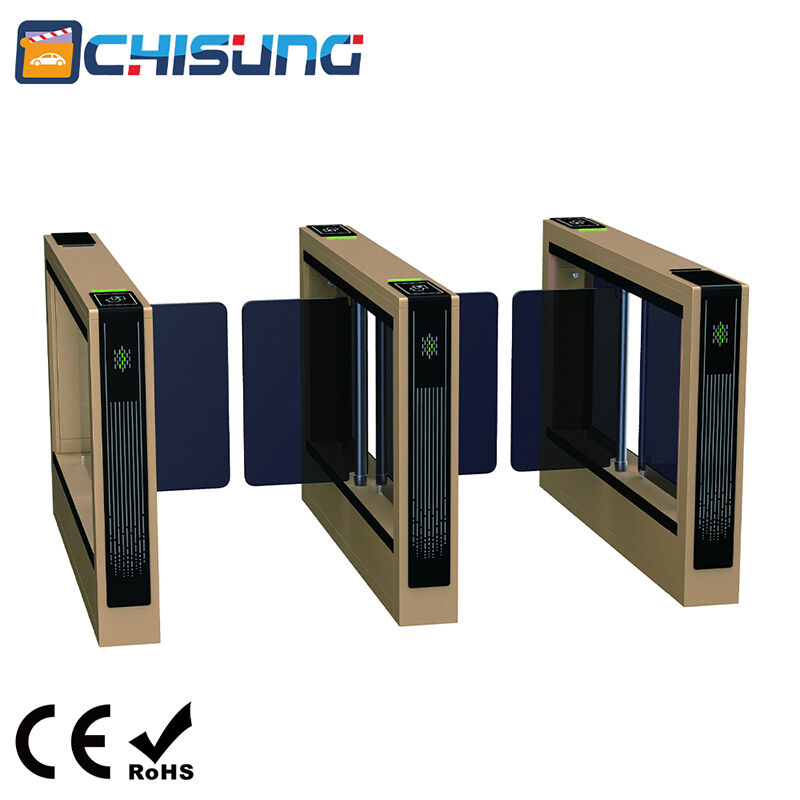
Modern access control systems have evolved significantly, with businesses increasingly choosing between traditional turnstiles and advanced swing barrier gate solutions. The swing barrier gate represents a sophisticated approach to pedestrian access control, offering enhanced security features, improved aesthetics, and superior user experience compared to conventional turnstile systems. Understanding the fundamental differences between these technologies helps facility managers make informed decisions about which access control solution best meets their specific operational requirements.
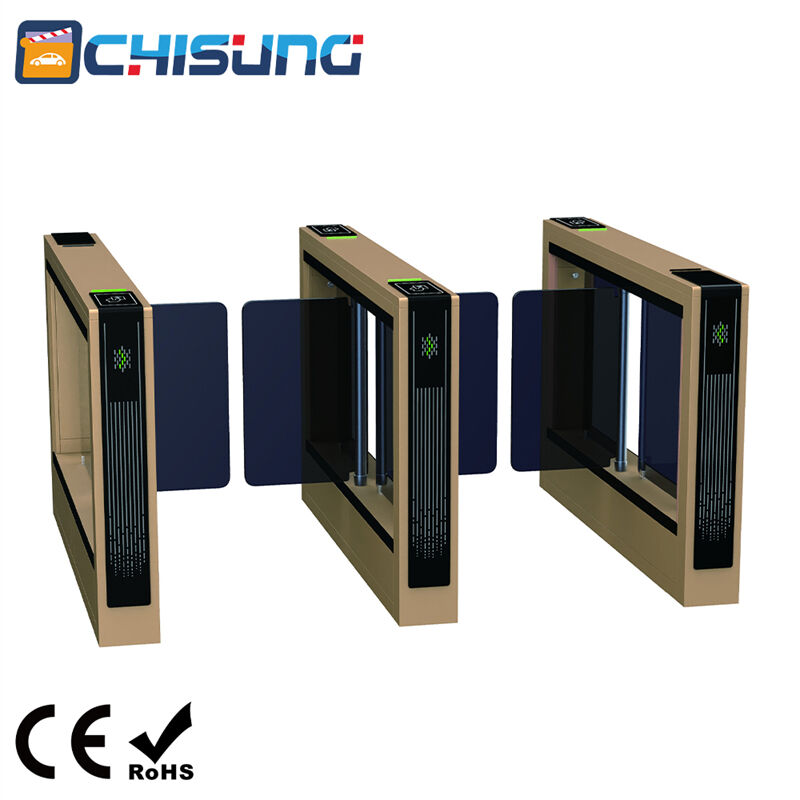
Technical Architecture and Design Principles
Mechanical Engineering Fundamentals
The swing barrier gate operates on precision-engineered mechanical principles that differ substantially from traditional turnstile mechanisms. These systems utilize advanced servo motor technology, typically incorporating brushless DC motors or stepper motors that provide precise control over barrier movement. The mechanical architecture includes sophisticated gear reduction systems, ensuring smooth and silent operation while maintaining durability under high-frequency usage conditions.
Traditional turnstiles rely on simpler mechanical systems, often using basic electric motors with standard gear trains. The swing barrier gate technology incorporates more advanced components such as encoder feedback systems, torque sensors, and position control algorithms that enable precise barrier positioning and movement speed regulation. This technological advancement results in superior reliability and reduced maintenance requirements compared to conventional turnstile systems.
The structural design of swing barrier gate systems emphasizes both functionality and aesthetics, utilizing materials such as stainless steel, tempered glass, and aluminum alloys. These materials provide excellent corrosion resistance, impact strength, and visual appeal, making them suitable for high-end commercial environments where appearance matters as much as functionality.
Electronic Control Systems
Advanced electronic control systems distinguish swing barrier gate technology from traditional turnstiles through sophisticated microprocessor-based controllers. These systems incorporate multiple input/output interfaces, supporting various authentication methods including RFID card readers, biometric scanners, facial recognition systems, and mobile device integration. The electronic architecture enables real-time monitoring, data logging, and remote management capabilities.
The control algorithms in swing barrier gate systems include advanced safety features such as anti-tailgating detection, obstacle sensing, and emergency release mechanisms. These features utilize multiple sensor technologies including infrared sensors, pressure-sensitive floor mats, and optical beam arrays to ensure user safety while maintaining security integrity.
Integration capabilities represent another significant advantage of swing barrier gate technology, with modern systems supporting various communication protocols including TCP/IP, RS485, Wiegand, and wireless connectivity options. This flexibility enables seamless integration with existing building management systems, access control platforms, and security monitoring networks.
Security Features and Access Control Capabilities
Authentication and Verification Systems
The swing barrier gate excels in providing multi-modal authentication capabilities that surpass traditional turnstile limitations. These systems can simultaneously process multiple authentication factors, combining card-based access with biometric verification, creating a more secure access control environment. The advanced processing power of swing barrier gate controllers enables real-time cross-referencing of credentials against multiple databases and blacklists.
Anti-passback functionality in swing barrier gate systems operates more effectively than traditional turnstiles due to enhanced sensor arrays and processing capabilities. The system can track individual user movements through the security zone, preventing unauthorized access attempts and ensuring one-person-per-authorization compliance. This level of security monitoring is particularly valuable in high-security environments such as data centers, research facilities, and government buildings.
The swing barrier gate incorporates advanced tailgating prevention mechanisms that utilize multiple detection zones and sophisticated algorithms to identify unauthorized access attempts. These systems can differentiate between authorized users carrying personal items and potential security breaches involving multiple individuals attempting to pass on a single authorization.
Physical Security Enhancements
Physical security features of swing barrier gate systems include reinforced barrier panels designed to withstand forced entry attempts while maintaining an elegant appearance. The barrier mechanisms incorporate tamper-resistant designs with concealed mounting hardware and anti-vandalism features that protect critical components from damage or manipulation.
Emergency response capabilities in swing barrier gate systems exceed those of traditional turnstiles through automated emergency opening functions that activate during fire alarms, power failures, or security emergencies. These systems can be programmed to fail-safe or fail-secure modes depending on specific security requirements and local safety regulations.
The modular design of swing barrier gate systems allows for customization of security features based on specific application requirements. Options include different barrier heights, materials, and locking mechanisms that can be tailored to match the security level needed for different facility zones or user groups.
User Experience and Operational Efficiency
Throughput Performance and Flow Management
Swing barrier gate systems demonstrate superior throughput performance compared to traditional turnstiles, processing up to 60 users per minute under optimal conditions. The faster operation speed results from optimized barrier movement algorithms, reduced mechanical friction, and intelligent flow management systems that anticipate user approach patterns and pre-position barriers accordingly.
The user interface design of swing barrier gate systems prioritizes intuitive operation with clear visual and audio feedback mechanisms. LED indicator arrays, digital displays, and voice prompts guide users through the authentication process, reducing confusion and minimizing processing delays. This enhanced user experience translates to improved operational efficiency and reduced staffing requirements for access point management.
Queue management capabilities in swing barrier gate systems include occupancy sensing and flow optimization algorithms that can dynamically adjust operating parameters based on real-time traffic conditions. These systems can automatically switch between different operating modes to accommodate varying user volumes throughout the day, optimizing both security effectiveness and user convenience.
Accessibility and Compliance Features
Modern swing barrier gate designs incorporate comprehensive accessibility features that ensure compliance with disability access regulations such as the Americans with Disabilities Act. Wide opening configurations, adjustable timing parameters, and specialized sensor arrays accommodate users with mobility devices, ensuring equal access while maintaining security integrity.
The swing barrier gate technology supports multiple passage modes including standard access, visitor escort mode, and emergency evacuation configurations. These operational modes can be activated manually or automatically based on predetermined criteria, providing flexibility in managing different user types and access scenarios.
Audio-visual accessibility features in swing barrier gate systems include high-contrast visual indicators, audible prompts in multiple languages, and tactile feedback mechanisms that assist users with visual or hearing impairments. These features demonstrate the commitment to inclusive design principles while maintaining the sophisticated appearance expected in modern commercial environments.
Installation Requirements and Infrastructure Considerations
Physical Installation Parameters
The installation requirements for swing barrier gate systems differ significantly from traditional turnstiles in terms of space utilization, structural support, and utility connections. These systems typically require larger floor footprints but offer more flexible configuration options, including single-lane, dual-lane, and integrated reception desk configurations that maximize space efficiency in various architectural contexts.
Structural integration of swing barrier gate systems involves considerations for floor-mounting requirements, cable management systems, and seismic stability in regions with earthquake risks. The installation process typically requires specialized expertise due to the complexity of electronic systems and the precision required for proper barrier alignment and sensor calibration.
Power requirements for swing barrier gate systems vary depending on configuration and feature sets, generally requiring dedicated electrical circuits with uninterruptible power supply backup capabilities. The systems also require network connectivity infrastructure for integration with centralized access control systems and remote monitoring capabilities.
Maintenance and Service Requirements
Preventive maintenance protocols for swing barrier gate systems focus on mechanical component lubrication, sensor calibration, and software updates that ensure optimal performance and longevity. The advanced diagnostic capabilities of these systems enable predictive maintenance scheduling based on actual usage patterns and component wear indicators rather than arbitrary time intervals.
Service accessibility in swing barrier gate designs prioritizes modular component replacement and remote diagnostic capabilities that minimize system downtime during maintenance operations. Many systems incorporate self-diagnostic functions that automatically identify and report potential issues before they affect system operation, enabling proactive maintenance interventions.
The technological complexity of swing barrier gate systems requires specialized technical support and trained service personnel, which may represent a higher ongoing operational cost compared to traditional turnstiles. However, the improved reliability and diagnostic capabilities often result in lower total cost of ownership over the system lifecycle.
Cost Analysis and Return on Investment
Initial Investment Considerations
The upfront cost of swing barrier gate systems typically exceeds that of traditional turnstiles due to advanced technology components, sophisticated manufacturing processes, and premium materials. However, the initial investment must be evaluated against the enhanced functionality, improved user experience, and reduced long-term operational costs that these systems provide.
Installation costs for swing barrier gate systems include specialized labor requirements, infrastructure modifications, and integration with existing building systems. These factors contribute to higher initial project costs but often result in more comprehensive access control solutions that eliminate the need for additional security measures or future system upgrades.
The financing options for swing barrier gate projects may include leasing arrangements, extended warranty programs, and service contracts that spread the initial investment over multiple years while providing predictable operational costs and performance guarantees.
Operational Cost Benefits
Long-term operational benefits of swing barrier gate systems include reduced staffing requirements due to automated operation, lower maintenance costs through advanced diagnostics, and decreased security incident response costs through enhanced deterrent capabilities. These operational savings often offset the higher initial investment within 3-5 years of operation.
Energy efficiency in swing barrier gate systems contributes to ongoing operational cost savings through optimized motor control algorithms, standby power management, and LED lighting systems that consume significantly less power than traditional turnstile components. These energy savings become increasingly significant in high-traffic installations with continuous operation requirements.
The scalability of swing barrier gate systems enables incremental capacity expansion without major infrastructure modifications, providing cost-effective growth options as organizational access control needs evolve. This flexibility represents significant value for dynamic business environments with changing security requirements.
Industry Applications and Use Cases
Corporate and Commercial Environments
Swing barrier gate technology has become the preferred choice for corporate headquarters, professional office buildings, and upscale retail environments where appearance and functionality must align with brand image expectations. The sleek design aesthetics and quiet operation of these systems complement modern architectural designs while providing robust security capabilities.
Financial institutions and banks increasingly specify swing barrier gate systems for branch locations and corporate offices due to enhanced security features and the ability to integrate with existing banking security systems. The sophisticated access control capabilities support compliance with financial industry security regulations while providing a welcoming customer experience.
Technology companies and research facilities utilize swing barrier gate systems to protect intellectual property and sensitive information while accommodating the collaborative work environments that define modern technology workplaces. The systems support complex access hierarchies and temporary access provisions that align with dynamic project teams and visitor requirements.
Transportation and Public Infrastructure
Airport and transportation hub applications leverage swing barrier gate technology for secure area access control, providing the reliability and durability required for 24/7 operation in challenging environmental conditions. The systems support integration with federal security databases and can accommodate the unique identification requirements of transportation security protocols.
Government facilities and public buildings implement swing barrier gate systems to balance public accessibility with security requirements, providing controlled access while maintaining the welcoming atmosphere appropriate for public service environments. The systems can accommodate various government identification standards and support emergency evacuation protocols required in public buildings.
Educational institutions increasingly adopt swing barrier gate technology for campus security applications, particularly in residence halls, research facilities, and administrative buildings where traditional key-based access control proves inadequate for modern security requirements.
Future Technology Trends and Developments
Emerging Technologies and Integration
Artificial intelligence and machine learning capabilities are being integrated into next-generation swing barrier gate systems, enabling adaptive behavior based on usage patterns, threat detection through behavioral analysis, and predictive maintenance algorithms that optimize system performance over time. These AI-enhanced systems represent the future direction of access control technology.
Internet of Things connectivity in swing barrier gate systems enables integration with smart building platforms, providing comprehensive facility management data and supporting sustainability initiatives through optimized energy management and occupancy tracking capabilities. This connectivity transforms access control systems from standalone security devices into integral components of intelligent building ecosystems.
Mobile device integration continues to evolve, with swing barrier gate systems supporting various smartphone-based authentication methods including NFC, Bluetooth Low Energy, and cloud-based credential management systems. These mobile integration capabilities align with user expectations for convenient, secure access while reducing administrative overhead for credential management.
Sustainability and Environmental Considerations
Environmental sustainability features in modern swing barrier gate designs include energy-efficient motor systems, recyclable materials, and manufacturing processes that minimize environmental impact. Green building certification programs increasingly recognize advanced access control systems as contributors to overall building sustainability ratings.
The longevity and upgradeability of swing barrier gate systems support sustainable facility management practices by reducing electronic waste through modular component replacement and software-based feature updates rather than complete system replacement cycles.
Carbon footprint considerations in swing barrier gate technology include local manufacturing options, optimized shipping configurations, and end-of-life recycling programs that support corporate sustainability initiatives and environmental responsibility goals.
FAQ
What are the main advantages of swing barrier gates over traditional turnstiles?
Swing barrier gates offer several key advantages including faster throughput rates, enhanced security features, better accessibility compliance, and superior aesthetic appearance. They typically process users more quickly due to optimized barrier movement and intelligent control systems. The advanced sensor arrays and processing capabilities provide better anti-tailgating protection and multi-modal authentication support. Additionally, swing barrier gates offer better accessibility for users with mobility devices and create a more welcoming entrance experience in professional environments.
How much space do swing barrier gate systems require compared to turnstiles?
Swing barrier gate systems generally require more floor space than traditional turnstiles due to their wider passage openings and extended barrier swing radius. A typical swing barrier gate installation requires approximately 4-6 feet in width and 6-8 feet in length, while traditional turnstiles may fit in 3-4 feet width by 4-5 feet length spaces. However, the increased space requirement is often offset by higher throughput capacity and the ability to accommodate users with mobility devices or carrying large items.
What maintenance requirements should be expected for swing barrier gate systems?
Swing barrier gate systems require regular preventive maintenance including sensor cleaning, mechanical lubrication, and software updates typically performed quarterly or semi-annually depending on usage volume. The advanced diagnostic capabilities of these systems enable predictive maintenance based on actual wear patterns rather than arbitrary schedules. While maintenance may require specialized technicians due to the sophisticated electronics, the overall maintenance frequency is often lower than traditional turnstiles due to higher-quality components and better monitoring capabilities.
Can swing barrier gate systems integrate with existing access control infrastructure?
Modern swing barrier gate systems are designed for comprehensive integration with existing access control platforms, security systems, and building management infrastructure. They support various communication protocols including TCP/IP, RS485, and Wiegand interfaces that enable connectivity with most access control systems. The systems can integrate with existing card readers, biometric devices, and credential databases while providing additional capabilities such as real-time monitoring, advanced reporting, and remote management features that enhance overall security system functionality.
Table of Contents
- Technical Architecture and Design Principles
- Security Features and Access Control Capabilities
- User Experience and Operational Efficiency
- Installation Requirements and Infrastructure Considerations
- Cost Analysis and Return on Investment
- Industry Applications and Use Cases
- Future Technology Trends and Developments
-
FAQ
- What are the main advantages of swing barrier gates over traditional turnstiles?
- How much space do swing barrier gate systems require compared to turnstiles?
- What maintenance requirements should be expected for swing barrier gate systems?
- Can swing barrier gate systems integrate with existing access control infrastructure?