
 EN
EN
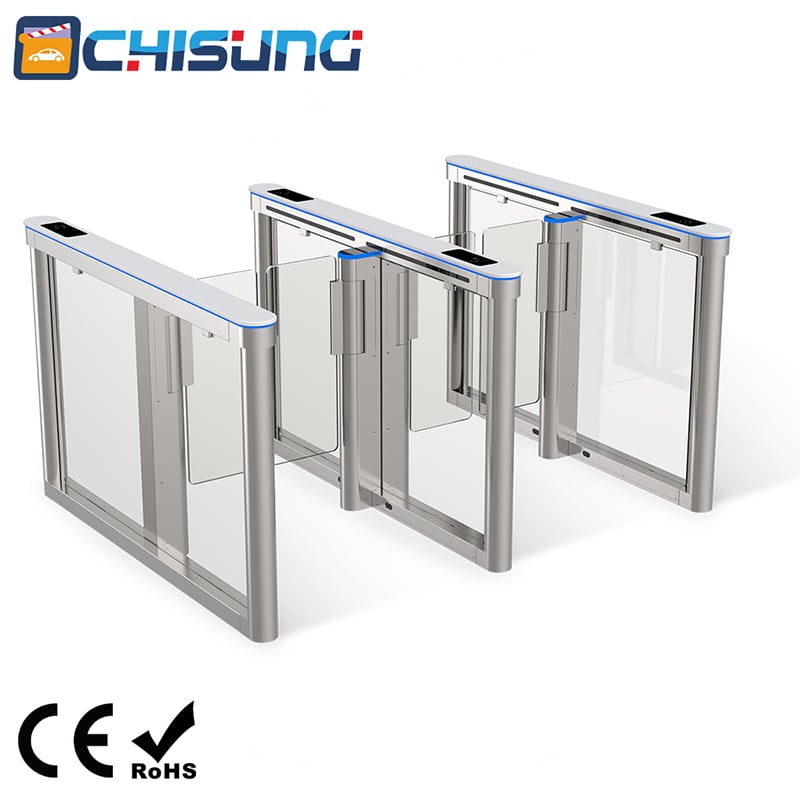
Modern building security has evolved dramatically over the past decade, and one of the most critical components of contemporary facility management is the implementation of effective access control solutions. A speed gate represents a fundamental advancement in how organizations manage pedestrian traffic while maintaining rigorous security protocols. Buildings today face unprecedented pressure to balance operational efficiency with comprehensive security measures, and a speed gate addresses both demands simultaneously. Understanding why a speed gate has become essential for modern buildings requires examining the intersection of safety requirements, regulatory compliance, and operational effectiveness.
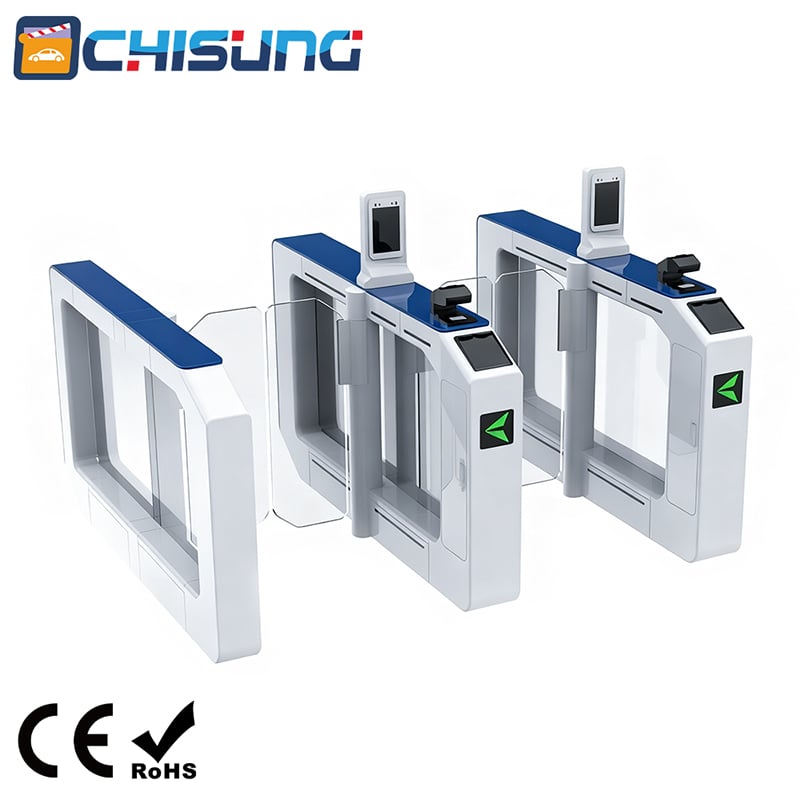
The necessity for modern buildings to incorporate a speed gate extends beyond simple perimeter protection. Today's facilities must contend with evolving security threats, regulatory mandates, tenant expectations, and the need for seamless visitor experiences. A speed gate provides the technological sophistication required to meet these multifaceted demands while maintaining the professional appearance expected in contemporary commercial, institutional, and residential environments.
Security and Access Control Excellence
Controlled Entry and Exit Management
One of the primary reasons modern buildings require a speed gate is the need for precise, controlled access management. Unlike traditional security methods, a speed gate ensures that only authorized personnel and visitors can pass through designated entry points. This controlled mechanism prevents unauthorized access, reduces tailgating incidents, and creates a documented audit trail of all movements through the facility. Modern office buildings, corporate headquarters, and institutional facilities depend on this level of access verification to protect valuable assets, sensitive information, and employee safety. A speed gate integrates seamlessly with digital identity systems, biometric readers, and access cards, making it the preferred choice for organizations with stringent security requirements.
Threat Prevention and Risk Mitigation
Building security threats have become more sophisticated, making passive barriers insufficient for modern facilities. A speed gate actively prevents unauthorized entrance by combining mechanical speed control with electronic verification systems. This dual-layer approach significantly reduces the risk of security breaches, theft, and unauthorized access incidents. Security directors and facility managers consistently choose a speed gate because it delivers measurable risk reduction while maintaining compliance with industry security standards. The speed-controlled mechanism ensures that individuals cannot force their way through or bypass the system, providing protection even in high-traffic environments where vigilance alone proves inadequate.
Operational Efficiency and Pedestrian Flow
Managing High-Volume Traffic Scenarios
Modern buildings often experience significant pedestrian traffic during peak hours, particularly in commercial office parks, transportation hubs, retail centers, and hospitality facilities. A speed gate enables buildings to manage this volume efficiently while maintaining security standards. Unlike manual security checkpoints that create bottlenecks and reduce visitor satisfaction, a speed gate processes authorized individuals rapidly while preventing unauthorized passage. This capability is essential for buildings targeting positive user experiences and operational continuity. Facility managers recognize that a speed gate reduces wait times, improves customer satisfaction, and enhances overall building reputation without compromising protective measures.
Seamless Integration with Smart Building Systems
Today's buildings increasingly operate as interconnected smart facilities where security, climate control, occupancy monitoring, and emergency systems communicate seamlessly. A speed gate integrates naturally with these ecosystems, sharing data with building management systems and triggering automated responses. For instance, when a speed gate registers an entry, the system can automatically activate lighting, adjust climate controls, and log occupancy information. This integration reduces manual administration, improves energy efficiency, and enables predictive maintenance. Modern buildings that fail to implement a speed gate connected to their broader system architecture miss significant opportunities for operational optimization and data-driven decision-making.
Regulatory Compliance and Liability Reduction
Meeting Modern Security Standards
Building codes, insurance requirements, and regulatory frameworks increasingly mandate specific access control measures for facilities above certain occupancy thresholds or housing sensitive functions. A speed gate satisfies these evolving regulatory requirements, ensuring buildings remain compliant with local ordinances and industry standards. Insurance providers often offer reduced premiums when facilities demonstrate comprehensive security through installations like a speed gate, directly improving the building's financial position. Facility owners and managers must install a speed gate not merely as an operational preference but as a fundamental compliance requirement in the modern regulatory environment.
Documentation and Accountability
Modern buildings require documented evidence of access control for liability protection, employee safety claims, and security investigations. A speed gate automatically records passage times, identifies individuals through integrated systems, and maintains permanent logs accessible for audit purposes. This documentation becomes invaluable during security incidents, insurance claims, or regulatory investigations. A speed gate transforms access management from an informal process into a verifiable, legally defensible system. Buildings operating without a speed gate face significant liability exposure, particularly when unauthorized access occurs or during security-related disputes. The accountability mechanisms embedded in a modern speed gate provide protection that traditional methods cannot deliver.
FAQ
What makes a speed gate different from traditional security doors?
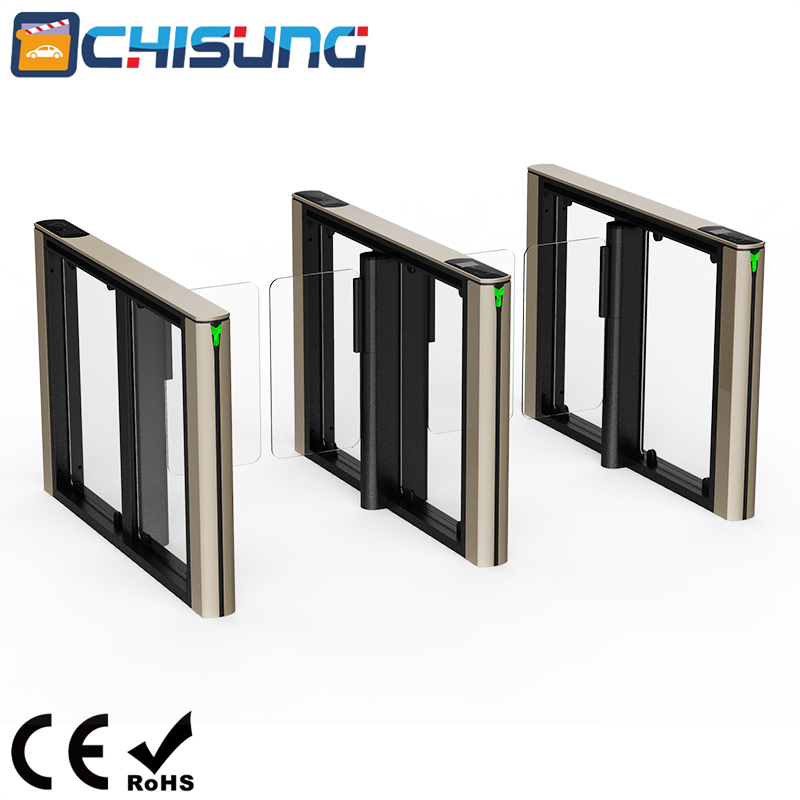
A speed gate differs fundamentally from standard security doors through its combination of automatic entry control, speed regulation, and electronic verification capabilities. While traditional doors rely on manual operation or simple electronic locks, a speed gate actively manages pedestrian flow by controlling passage speed and preventing unauthorized tailgating. A speed gate integrates sophisticated sensors, access verification systems, and mechanical barriers that work together to provide superior security and efficiency compared to conventional approaches.
Can a speed gate system accommodate people with disabilities or mobility challenges?
Modern speed gate installations include accessibility features designed to meet regulatory requirements and ensure inclusive building access. A speed gate can incorporate extended opening times, wider passage widths, and integration with accessibility request systems. Many facilities configure their speed gate with alternative authentication methods and alert systems to accommodate various user needs while maintaining security standards. Building owners should verify that their chosen speed gate system complies with accessibility legislation applicable in their jurisdiction.
How does a speed gate reduce operating costs for building management?
A speed gate reduces operating costs through multiple mechanisms including labor savings from reduced manual security staffing, improved energy efficiency through occupancy-based building systems, and decreased liability insurance premiums. The automated nature of a speed gate eliminates the need for permanent security personnel at access points, redirecting those resources to higher-value security functions. Additionally, a speed gate generates data that helps optimize building operations, predict maintenance needs, and identify efficiency opportunities that reduce overall facility operating expenses.