
 EN
EN
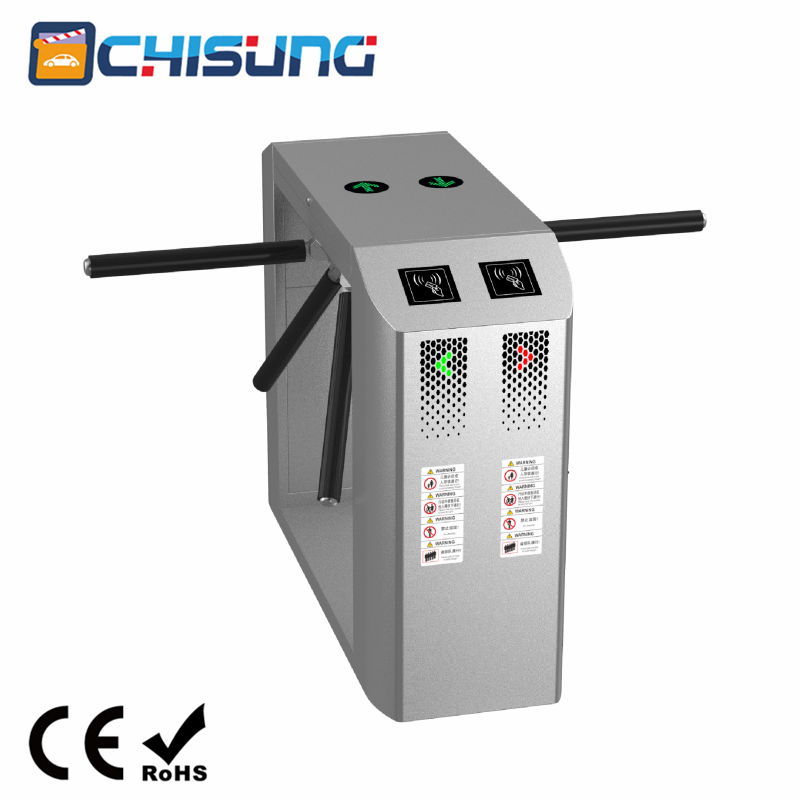
Modern office environments are rapidly embracing automated access control solutions to enhance security and streamline employee flow. Among these solutions, the turnstile gate has emerged as a preferred choice for businesses seeking reliable, efficient, and professional entry management systems. These sophisticated devices offer a perfect blend of security enforcement and user convenience, making them ideal for corporate environments where controlled access is paramount.
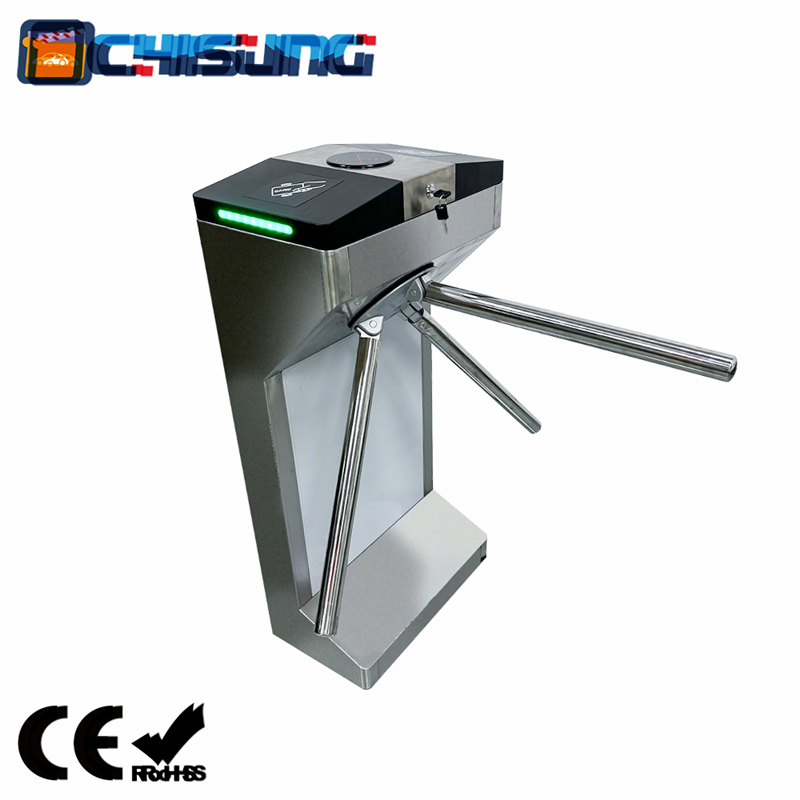
The adoption of turnstile gate technology in office settings reflects a broader trend toward intelligent building management systems. Companies are recognizing that effective access control goes beyond traditional lock-and-key mechanisms, requiring solutions that can adapt to complex organizational needs while maintaining operational efficiency. The turnstile gate represents this evolution, offering features that address both immediate security concerns and long-term scalability requirements.
Office administrators and facility managers are increasingly drawn to turnstile gate systems because they provide measurable returns on investment through improved security protocols, reduced unauthorized access incidents, and enhanced visitor management capabilities. These systems integrate seamlessly with existing building infrastructure while offering advanced reporting and monitoring features that support comprehensive facility management strategies.
Enhanced Security and Access Control
Multi-Layer Authentication Systems
The modern turnstile gate incorporates multiple authentication methods to ensure only authorized personnel gain access to office premises. These systems typically support card readers, biometric scanners, and mobile device integration, creating a comprehensive security framework that adapts to various organizational requirements. The multi-modal approach significantly reduces the likelihood of unauthorized entry while accommodating different user preferences and technological capabilities.
Advanced turnstile gate models feature sophisticated sensor arrays that can detect tailgating attempts and unauthorized passage behaviors. These detection capabilities are crucial in busy office environments where security personnel cannot manually monitor every entry point. The system automatically logs all access attempts, successful entries, and security violations, providing administrators with detailed audit trails for compliance and investigation purposes.
Integration with building management systems allows turnstile gate installations to coordinate with other security elements such as surveillance cameras, alarm systems, and emergency protocols. This interconnected approach creates a unified security ecosystem that responds intelligently to various scenarios while maintaining user-friendly operation for legitimate users.
Real-Time Monitoring and Analytics
Contemporary turnstile gate systems provide real-time monitoring capabilities that enable security teams to observe entry patterns and identify potential security risks as they develop. The advanced analytics functionality can detect unusual access patterns, peak usage times, and potential system vulnerabilities, allowing proactive security management rather than reactive responses to incidents.
The data collection capabilities of modern turnstile gate installations extend beyond basic entry logging to include comprehensive usage analytics. These systems can generate detailed reports on employee attendance patterns, visitor frequency, and facility utilization rates, providing valuable insights for human resources and facility management teams.
Cloud-based management platforms allow administrators to monitor multiple turnstile gate installations across different office locations from a centralized dashboard. This capability is particularly valuable for organizations with distributed operations, enabling consistent security standards and unified reporting across all facilities.
Operational Efficiency and User Experience
Streamlined Entry Processes
The implementation of turnstile gate systems significantly reduces bottlenecks at office entry points during peak hours. These automated systems process authentication and grant access much faster than traditional security checkpoint procedures, improving overall building traffic flow and reducing wait times for employees and visitors. The consistent processing speed helps maintain professional atmospheres while ensuring thorough security screening.
Modern turnstile gate designs prioritize user experience through intuitive interfaces and clear visual indicators that guide users through the authentication process. LED status lights, audio cues, and display screens provide immediate feedback about access status, reducing confusion and minimizing the learning curve for new users. This attention to user experience is crucial in office environments where smooth daily operations depend on efficient entry procedures.
The reliability of contemporary turnstile gate systems ensures consistent operation even during high-volume usage periods. Advanced mechanical and electronic components are designed for continuous operation with minimal maintenance requirements, reducing downtime and operational disruptions that could impact business productivity.
Customizable Access Protocols
Office environments benefit from the flexible access control options available in modern turnstile gate systems. Administrators can configure different access levels for various employee categories, temporary visitors, and contractor personnel, ensuring that access privileges align with organizational security policies and operational requirements. Time-based access restrictions can automatically adjust permissions based on work schedules and business hours.
The programmable nature of turnstile gate systems allows organizations to implement complex access scenarios such as escort requirements for visitors, temporary access codes for service personnel, and emergency override procedures. These capabilities ensure that security protocols can adapt to changing business needs without requiring hardware modifications or system replacements.
Integration with human resources management systems enables automatic updates to access permissions when employees change roles, departments, or employment status. This automated synchronization reduces administrative overhead while ensuring that access privileges remain current and appropriate for each individual's organizational position.
Cost-Effectiveness and Return on Investment
Reduced Security Personnel Requirements
The automation provided by turnstile gate installations allows organizations to optimize their security staffing requirements without compromising access control effectiveness. These systems can operate independently during standard business hours, freeing security personnel to focus on higher-value activities such as facility patrols, visitor assistance, and incident response. The reduction in required manning levels translates directly into operational cost savings.
Advanced turnstile gate systems include remote monitoring capabilities that enable security teams to oversee multiple entry points from centralized control rooms. This centralization reduces the need for dedicated personnel at each access point while maintaining comprehensive security coverage. The efficiency gains are particularly significant in large office buildings with multiple entry zones.
The reliability and automated operation of modern turnstile gate systems reduce the frequency of security incidents that require personnel intervention. By preventing unauthorized access attempts and maintaining consistent access protocols, these systems minimize the workload on security staff while improving overall facility security posture.
Long-Term Operational Savings
While the initial investment in turnstile gate technology may seem substantial, the long-term operational benefits provide significant return on investment through reduced security incidents, improved operational efficiency, and enhanced facility management capabilities. The durability and low maintenance requirements of quality systems ensure that ongoing operational costs remain minimal compared to alternative security solutions.
The energy efficiency of modern turnstile gate systems contributes to reduced facility operating costs through optimized power consumption and intelligent standby modes. These systems are designed to minimize environmental impact while maintaining full operational readiness, supporting corporate sustainability initiatives while reducing utility expenses.
Insurance benefits may be available to organizations that implement comprehensive access control systems including turnstile gate installations. Many insurance providers recognize the risk reduction associated with professional access control systems and offer premium reductions for facilities with adequate security measures in place.
Integration with Modern Office Technology
Smart Building Ecosystem Compatibility
Contemporary turnstile gate systems are designed to integrate seamlessly with smart building technologies, creating comprehensive facility management ecosystems that optimize energy usage, security protocols, and operational efficiency. These integrations enable automated responses to changing conditions such as adjusting access permissions based on building occupancy levels or coordinating with HVAC systems to optimize climate control based on actual facility usage.
The Internet of Things connectivity available in modern turnstile gate installations allows these systems to communicate with other building systems and external platforms through standard networking protocols. This connectivity enables remote configuration updates, predictive maintenance scheduling, and integration with cloud-based management platforms that support multi-site operations.
Mobile application integration allows employees and administrators to interact with turnstile gate systems through smartphone interfaces, enabling features such as mobile credential presentation, guest invitation management, and real-time system status monitoring. This mobile connectivity aligns with contemporary workplace technology expectations while providing additional convenience and functionality.
Data Analytics and Business Intelligence
The data collection capabilities of modern turnstile gate systems provide valuable business intelligence beyond basic security monitoring. Organizations can analyze facility usage patterns, peak occupancy periods, and space utilization rates to optimize office layouts, staffing schedules, and resource allocation. This analytical capability supports data-driven decision making for facility management and business operations.
Advanced reporting features enable turnstile gate systems to generate customized reports for various organizational stakeholders, including security teams, human resources departments, and executive management. These reports can be automated and scheduled to provide regular updates on key performance indicators related to facility security and operational efficiency.
The integration of artificial intelligence and machine learning capabilities in advanced turnstile gate systems enables predictive analytics that can identify potential security risks, optimize system performance, and provide recommendations for improving facility operations. These intelligent features represent the cutting edge of access control technology and provide competitive advantages for forward-thinking organizations.
Compliance and Regulatory Considerations
Industry Standards and Certifications
Professional turnstile gate installations must comply with various industry standards and building codes that govern access control systems in commercial environments. These standards address safety requirements, accessibility provisions, and emergency egress procedures that ensure the systems operate safely and effectively in all conditions. Compliance with recognized standards also provides legal protection for organizations implementing these technologies.
The accessibility features required by disability accommodation regulations are integrated into modern turnstile gate designs through wider passage options, visual and audio assistance features, and alternative authentication methods. These provisions ensure that access control systems serve all building occupants effectively while maintaining security protocols and operational efficiency.
Fire safety and emergency egress requirements mandate that turnstile gate systems include automatic unlocking mechanisms that activate during emergency conditions. Advanced systems coordinate with building fire alarm systems and emergency management protocols to ensure safe evacuation procedures while maintaining security during normal operations.
Data Privacy and Security Protocols
The implementation of turnstile gate systems requires careful attention to data privacy regulations and security protocols that govern the collection, storage, and use of personal information. Modern systems include encryption capabilities, secure data transmission protocols, and privacy controls that ensure compliance with relevant regulations while supporting legitimate security and operational requirements.
Audit trail capabilities in contemporary turnstile gate systems support compliance with various regulatory requirements that mandate detailed records of facility access and security events. These systems can generate the documentation necessary for regulatory inspections, security audits, and legal proceedings while maintaining appropriate privacy protections for individuals.
The cybersecurity features integrated into modern turnstile gate systems protect against digital threats that could compromise access control functionality or expose sensitive data. Regular security updates, secure communication protocols, and network isolation capabilities ensure that these systems maintain their integrity even in complex digital environments.
Future-Proofing and Scalability
Technology Evolution and Upgradability
The modular design of contemporary turnstile gate systems enables organizations to upgrade individual components and add new capabilities without replacing entire installations. This upgradability protects the initial investment while ensuring that access control capabilities can evolve with changing technology standards and organizational requirements. The flexibility to incorporate emerging technologies extends the useful life of these systems significantly.
Software-defined functionality in modern turnstile gate installations allows new features and capabilities to be added through software updates rather than hardware replacements. This approach reduces the total cost of ownership while ensuring that systems remain current with evolving security standards and user expectations.
The standardized interfaces and communication protocols used in professional turnstile gate systems ensure compatibility with future technologies and integration platforms. This forward compatibility provides confidence that current investments will continue to provide value as organizational needs and technology capabilities evolve.
Organizational Growth and Expansion
Scalable turnstile gate systems can accommodate organizational growth through additional units, expanded authentication options, and enhanced management capabilities. The ability to add new access points and integrate them into existing security infrastructures ensures that access control capabilities can grow with the organization without requiring complete system replacements.
Multi-site management capabilities enable organizations with multiple office locations to maintain consistent access control standards and centralized administration across their entire facility portfolio. This scalability is crucial for growing businesses that need to maintain security standards while expanding their physical presence.
The flexibility to reconfigure access control zones and modify security protocols allows turnstile gate systems to adapt to changing organizational structures, office layouts, and operational requirements. This adaptability ensures that access control investments continue to provide value even as business needs evolve significantly over time.
FAQ
How much space does a typical office turnstile gate installation require
A standard office turnstile gate typically requires approximately 3-4 feet of width and 5-6 feet of length for proper installation and operation. This includes clearance space for user approach and passage, as well as access for maintenance activities. The exact space requirements vary based on the specific model chosen and whether single or multiple lane configurations are needed. Most installations also require nearby wall space or ceiling mounting points for control panels and card readers.
What maintenance is required for turnstile gate systems in office environments
Office turnstile gate systems require minimal routine maintenance, typically consisting of monthly cleaning of sensors and card readers, periodic lubrication of mechanical components, and quarterly inspection of electrical connections. Most manufacturers recommend annual professional maintenance visits to perform detailed system diagnostics and component testing. The robust design of commercial-grade systems ensures reliable operation with minimal intervention, though prompt attention to any operational anomalies helps prevent minor issues from developing into major problems.
Can existing access control systems be integrated with new turnstile gate installations
Modern turnstile gate systems are designed with flexible integration capabilities that support connection with most existing access control platforms through standard communication protocols such as TCP/IP, RS-485, and Wiegand interfaces. The integration process typically involves configuring the turnstile gate controller to communicate with the existing access control database and user management system. Professional installation services can assess compatibility requirements and implement the necessary integration components to ensure seamless operation with existing security infrastructure.
What happens to turnstile gate operation during power outages or system failures
Professional turnstile gate systems include multiple failsafe mechanisms to ensure safe operation during power outages or system failures. Most units feature battery backup systems that maintain basic operation for several hours during power interruptions. In the event of complete system failure, mechanical override mechanisms allow manual unlocking for emergency egress while maintaining security through alternative procedures. Advanced systems can be configured for either fail-secure or fail-safe operation depending on specific security requirements and emergency protocols.
Table of Contents
- Enhanced Security and Access Control
- Operational Efficiency and User Experience
- Cost-Effectiveness and Return on Investment
- Integration with Modern Office Technology
- Compliance and Regulatory Considerations
- Future-Proofing and Scalability
-
FAQ
- How much space does a typical office turnstile gate installation require
- What maintenance is required for turnstile gate systems in office environments
- Can existing access control systems be integrated with new turnstile gate installations
- What happens to turnstile gate operation during power outages or system failures