
 EN
EN
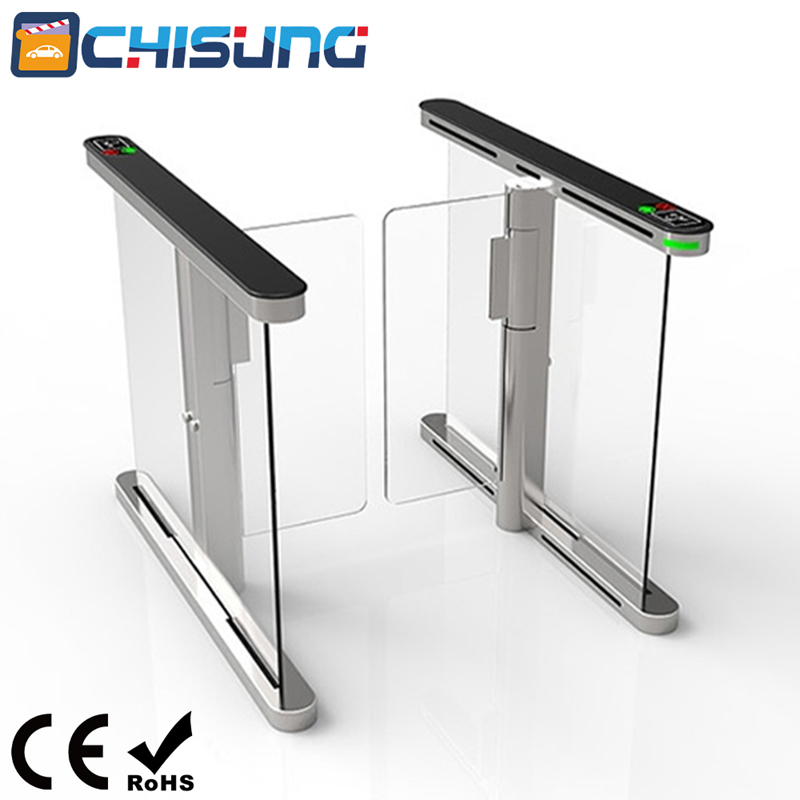
A speed gate is a sophisticated pedestrian access control system designed to manage foot traffic in high-security environments while maintaining efficient entry and exit operations. Speed gates represent a critical advancement in modern security infrastructure, combining physical barriers with intelligent access control technology to regulate how people move through protected spaces. These systems are essential for organizations requiring precise control over who enters and exits their facilities while maintaining smooth, rapid passage for authorized personnel.
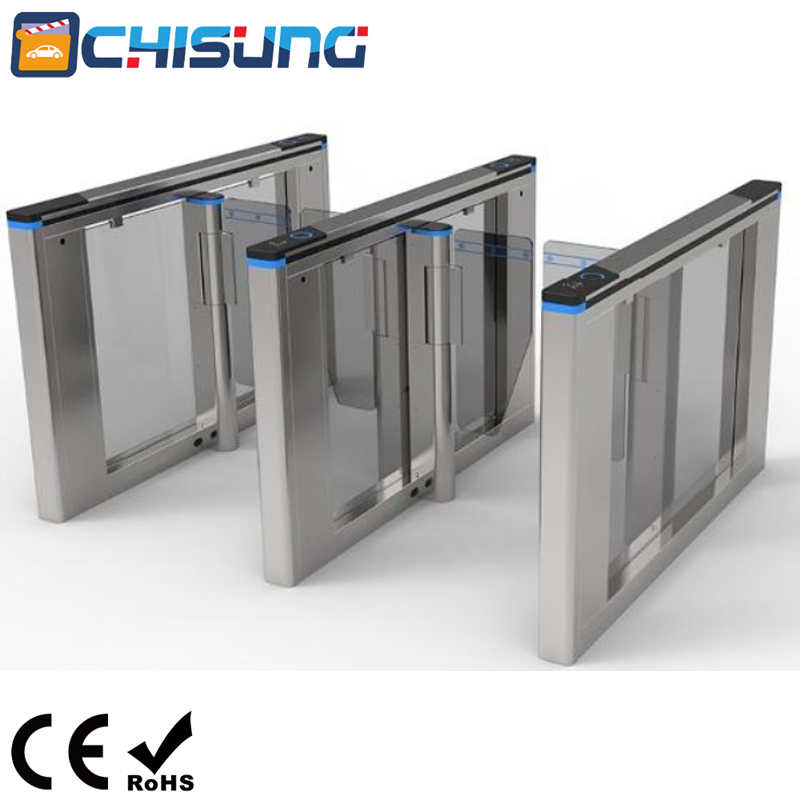
Speed gates function by integrating multiple components into a unified system that controls pedestrian movement through a designated checkpoint. The speed gate mechanism relies on card readers, facial recognition, biometric scanners, and intelligent control software to authenticate users before allowing passage. When properly deployed, a speed gate significantly reduces unauthorized access attempts while enabling legitimate users to pass through quickly and conveniently, making it an ideal solution for corporate offices, transportation hubs, secure facilities, and high-traffic commercial environments.
Core Components and Mechanical Design
The Structure of a Speed Gate System
A speed gate consists of several integrated mechanical and electronic components working in harmony. The physical structure includes a durable housing frame, typically constructed from cold-rolled steel or stainless steel, that encompasses the entire barrier mechanism. Inside this housing, the speed gate contains motorized barriers, drive mechanisms, and sophisticated locking systems that respond to authentication signals. The barrier elements of a speed gate are designed to move swiftly, allowing authorized users to proceed while instantly blocking unauthorized individuals.
Authentication and Sensor Technology
The speed gate incorporates multiple access authentication methods to verify user identity before granting passage. Infrared sensors detect approaching users and trigger the authentication protocol of the speed gate system. Card readers, proximity sensors, and biometric scanners feed data to the central processing unit that controls whether the speed gate barriers will open or remain locked. The speed gate's sensor array continuously monitors the checkpoint area, preventing tailgating by detecting multiple individuals attempting to pass through on a single authorization event.
How Speed Gate Technology Functions
The Authentication and Authorization Process
When a user approaches a speed gate, the authentication sequence begins immediately through infrared detection systems that track movement. The user presents their credential—whether a proximity card, mobile badge, or biometric identifier—to the speed gate reader stationed at the checkpoint. The speed gate control system verifies this credential against its authorized user database within milliseconds, making a real-time allow or deny decision. Upon successful authentication, the speed gate's motorized barrier retracts smoothly, allowing the user safe passage through the designated corridor or gateway.
Speed Gate Barrier Operation and Safety Features
The speed gate's mechanical barrier operates with precisely calibrated motors that ensure fast deployment while maintaining user safety and security integrity. The speed gate barrier extends and retracts based on authentication signals and preset timing parameters that prevent unauthorized passage attempts. Emergency release mechanisms built into every speed gate allow manual operation during power failures or system malfunctions, ensuring occupants can safely exit facilities. The speed gate design incorporates pressure-sensitive edges and motion detection to halt barrier movement if an obstruction is detected, protecting users from injury while maintaining robust access control.
Real-World Applications and Benefits
Industries and Environments Using Speed Gates
Speed gate systems are deployed across diverse high-security environments where pedestrian flow control is mission-critical. Corporate headquarters and office parks utilize speed gates to manage employee access and prevent unauthorized visitors from freely entering restricted zones. Airports, train stations, and transit facilities implement speed gate technology to streamline passenger screening while maintaining security protocols. Government buildings, research laboratories, data centers, and healthcare facilities rely on speed gate systems to protect sensitive areas and maintain compliance with access control regulations.
Operational Advantages and Security Impact
Deploying a speed gate provides organizations with real-time access logs that document exactly who entered or exited each secured area and when the speed gate authorized their passage. The speed gate system reduces reliance on security personnel manually checking credentials, allowing staff to focus on higher-value security responsibilities. Integration between the speed gate and existing security infrastructure enables automated alerts when unauthorized access attempts occur at the speed gate checkpoint. The speed gate's combination of physical barriers and electronic authentication creates a layered defense that is significantly more effective than traditional manual checking or simple mechanical gates.
FAQ
What is the typical size and installation footprint of a speed gate?
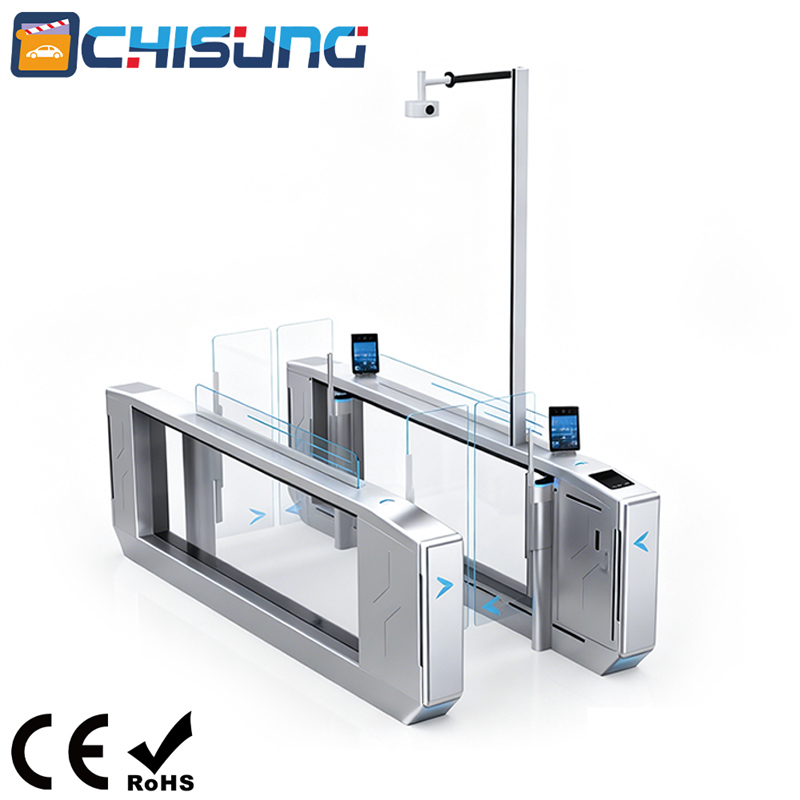
A standard speed gate system, such as models measuring approximately 1500mm in length, 130mm in width, and 980mm in height, fits within most corridor dimensions while maintaining adequate user clearance. The speed gate installation requires electrical connections for motor power and data lines for authentication system integration. Most speed gate configurations can be installed in existing corridors with minimal structural modification, making retrofitting possible in established facilities.
How does a speed gate integrate with existing security systems?
The speed gate connects to building management systems and access control software through standard communication protocols that enable central monitoring and authorization updates. A speed gate can sync with employee databases, visitor management systems, and surveillance infrastructure to create comprehensive security intelligence. The speed gate's integration capability allows administrators to manage access policies across multiple checkpoint locations from a centralized platform.
What maintenance do speed gate systems require?
Regular maintenance of a speed gate includes lubricating moving components, inspecting barrier alignment, and testing emergency release mechanisms to ensure reliable operation. The speed gate's motor and drive systems should be serviced according to manufacturer recommendations to prevent premature wear. Software updates for the speed gate's authentication database and firmware ensure compatibility with current security protocols and access management best practices.