
 EN
EN
Selecting the right turnstile gate for your facility represents a critical security and operational decision that impacts daily workflow, visitor experience, and long-term maintenance costs. Modern buildings require sophisticated access control solutions that balance security effectiveness with user convenience, making turnstile gate selection more complex than ever before. Understanding the various turnstile gate configurations available in today's market helps facility managers, security professionals, and architects make informed decisions that align with their specific operational requirements. The turnstile gate market offers numerous options, each designed to address different security levels, traffic volumes, and aesthetic preferences while maintaining reliable performance standards.
Understanding Turnstile Gate Categories and Applications
Tripod Turnstile Gate Systems
Tripod turnstile gate models represent the most recognizable and widely deployed access control solution across diverse facility types. These systems feature three rotating arms that create a controlled passage point, allowing only one person to pass through at a time while preventing unauthorized access attempts. The mechanical simplicity of tripod turnstile gate designs contributes to their reliability and cost-effectiveness, making them suitable for high-traffic environments where durability matters most. Installation flexibility allows tripod systems to integrate seamlessly with existing security infrastructure, supporting various authentication methods including card readers, biometric scanners, and mobile access technologies.
The operational characteristics of tripod turnstile gate installations make them particularly effective in outdoor environments where weather resistance becomes essential. Stainless steel construction options provide corrosion resistance while maintaining smooth rotation mechanisms even under challenging environmental conditions. Traffic flow rates for tripod systems typically range from 15 to 25 people per minute, depending on user familiarity and authentication method complexity. Security professionals appreciate the visual deterrent effect these systems provide, as the prominent barrier design clearly communicates access restrictions to unauthorized individuals.
Full Height Turnstile Gate Solutions
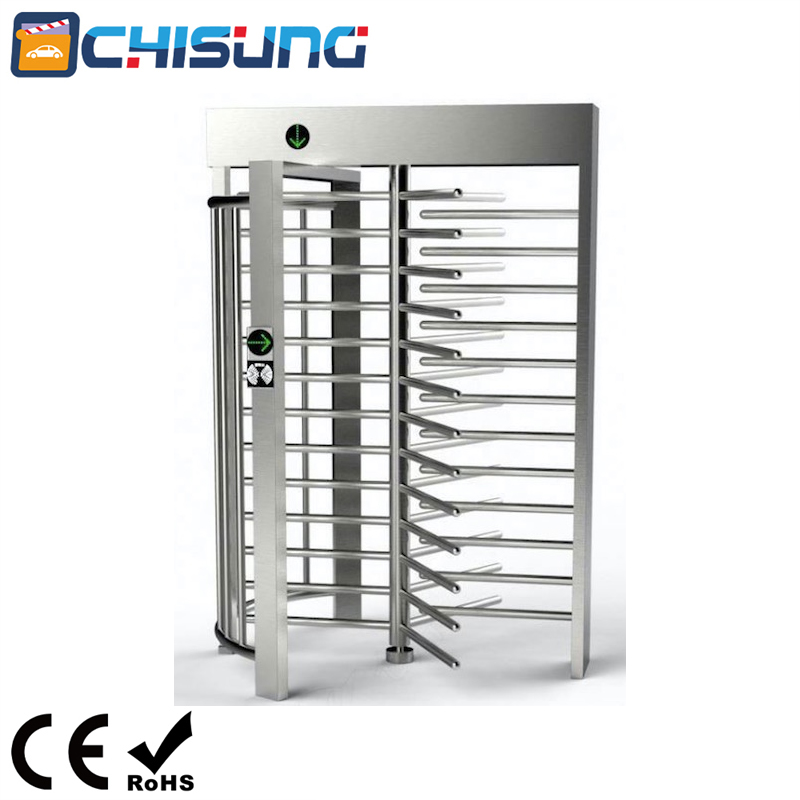
Full height turnstile gate systems deliver maximum security by creating complete physical barriers that extend from floor to ceiling, preventing climbing or jumping attempts that might compromise other turnstile types. These robust systems typically measure between 7 to 8 feet in height, incorporating reinforced construction materials that can withstand significant force while maintaining smooth operational characteristics. The enclosed design of full height turnstile gate installations provides superior protection for high-security facilities, including data centers, government buildings, and industrial complexes where unauthorized access prevention takes priority over convenience factors.
Advanced full height turnstile gate models incorporate sophisticated sensor arrays that monitor the passage chamber throughout the entire transit process, ensuring only authorized individuals complete the passage sequence. Anti-tailgating detection capabilities prevent multiple people from entering the chamber simultaneously, while integrated communication systems allow security personnel to assist users experiencing difficulties. The substantial physical presence of these systems creates an unmistakable security boundary that deters unauthorized access attempts while providing peace of mind for facility managers responsible for protecting sensitive areas.
Speed Gate and Optical Turnstile Technologies
Glass Speed Gate Systems
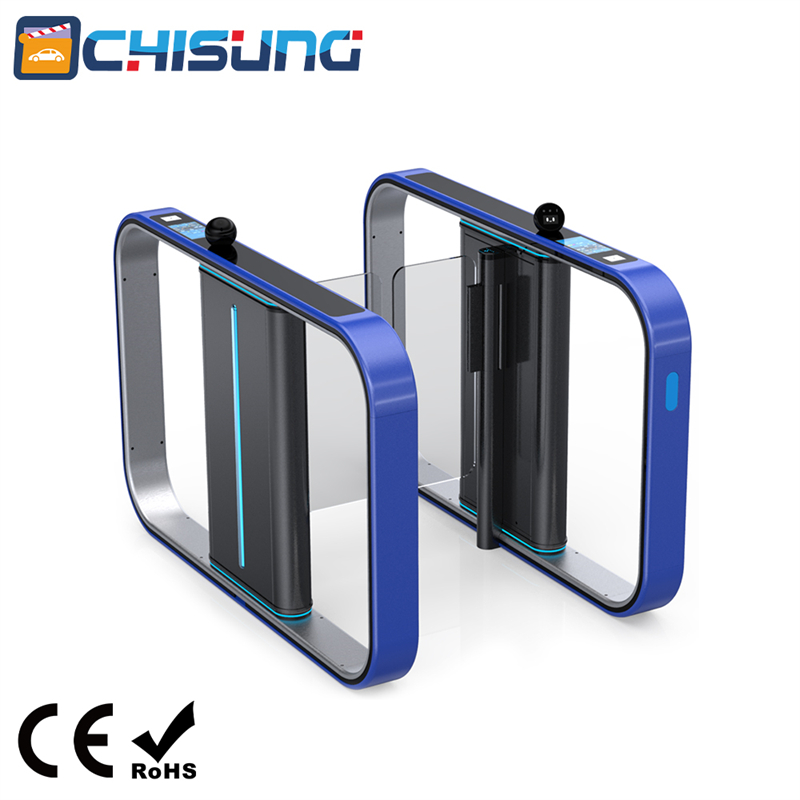
Modern glass speed gate turnstile gate designs combine elegant aesthetics with advanced security functionality, making them ideal for corporate lobbies, premium office buildings, and facilities where visual appeal complements security requirements. These systems utilize retractable glass panels or swing barriers that open and close rapidly upon successful authentication, providing seamless passage for authorized users while maintaining sophisticated access control capabilities. The transparent barrier design preserves architectural sight lines and creates an open, welcoming atmosphere that contrasts sharply with traditional turnstile gate appearances.
Integration capabilities of glass speed gate systems support complex access control scenarios, including visitor management integration, time and attendance tracking, and multi-factor authentication requirements. Response times for these systems typically occur within 0.3 to 0.5 seconds of successful credential verification, enabling traffic flow rates exceeding 40 people per minute under optimal conditions. The sophisticated sensor networks employed in premium speed gate installations can distinguish between authorized passage attempts and potential security breaches, triggering appropriate responses ranging from audible alerts to automatic barrier closure.
Optical Turnstile Gate Integration
Optical turnstile gate technologies represent the cutting edge of access control innovation, utilizing invisible infrared beam arrays to create virtual barriers that detect and track individual passage events without physical obstruction. These systems excel in environments where unimpeded traffic flow takes precedence while maintaining accurate access monitoring and security event logging. The absence of physical barriers eliminates mechanical wear components, reducing maintenance requirements while supporting higher traffic volumes than traditional turnstile gate configurations.
Advanced optical systems incorporate machine learning algorithms that adapt to user behavior patterns, improving detection accuracy while minimizing false alarms that can disrupt normal operations. Integration with video analytics platforms allows optical turnstile gate installations to provide comprehensive security monitoring, including facial recognition, behavioral analysis, and crowd density management. The scalability of optical systems makes them particularly suitable for large facilities where multiple access points require coordinated monitoring and control from centralized security management platforms.
Security Level Assessment and Selection Criteria
High Security Facility Requirements
Facilities requiring maximum security protection must carefully evaluate turnstile gate options that provide comprehensive access control while addressing specific threat scenarios and compliance requirements. Government installations, defense contractors, and critical infrastructure facilities typically require turnstile gate systems that integrate with existing security protocols, including multi-factor authentication, biometric verification, and real-time monitoring capabilities. The selection process must consider both current security needs and future expansion requirements that may necessitate system upgrades or additional integration capabilities.
Physical security standards for high-security turnstile gate installations often specify construction materials, force resistance ratings, and tamper detection capabilities that exceed commercial building requirements. Certification standards such as UL listings, ASTM compliance, and government security specifications influence product selection decisions while ensuring long-term reliability under demanding operational conditions. Emergency egress considerations become critical in high-security environments, requiring turnstile gate systems that can provide rapid evacuation capabilities while maintaining security integrity during normal operations.
Commercial and Office Building Considerations
Commercial office environments require turnstile gate solutions that balance security effectiveness with user convenience, creating positive experiences for employees, visitors, and service personnel who interact with access control systems daily. The selection process must consider traffic patterns, peak usage periods, and the diverse authentication methods needed to accommodate different user groups with varying access privileges. Aesthetic integration with building architecture becomes increasingly important in commercial settings where turnstile gate installations contribute to overall facility ambiance and professional appearance.
Integration requirements for commercial turnstile gate systems typically include connection with building management systems, fire safety controls, and tenant-specific access management platforms that may vary across different floors or zones within the same facility. Maintenance accessibility and service scheduling considerations influence long-term operational costs, making reliability and manufacturer support capabilities important selection factors. The ability to accommodate future technology upgrades ensures turnstile gate investments remain viable as authentication technologies and security requirements evolve over time.
Traffic Flow Analysis and Capacity Planning
Peak Hour Traffic Management
Effective turnstile gate selection requires comprehensive analysis of traffic flow patterns, particularly during peak arrival and departure periods when system capacity directly impacts user experience and operational efficiency. Morning arrival surges, lunch hour movements, and end-of-day departures create distinct usage patterns that influence throughput requirements and queue management strategies. Data collection from similar facilities or temporary monitoring installations helps establish baseline traffic metrics that inform capacity planning decisions and system configuration requirements.
Queue management becomes critical when turnstile gate capacity approaches maximum throughput limits, requiring strategic planning for backup authentication methods, manual override procedures, and emergency access protocols. The relationship between authentication time and traffic flow reveals optimization opportunities, including credential technology selection, user training programs, and system configuration adjustments that can improve overall throughput without compromising security effectiveness. Advanced turnstile gate systems provide real-time traffic monitoring and reporting capabilities that enable ongoing optimization and capacity planning refinements.
Multi-Point Access Coordination
Large facilities often require multiple turnstile gate installations coordinated through centralized management systems that ensure consistent security policies while accommodating diverse operational requirements across different building zones. The integration of multiple turnstile gate locations requires sophisticated networking infrastructure, redundant communication systems, and centralized monitoring capabilities that provide comprehensive facility oversight. Load balancing strategies help distribute traffic across multiple access points, preventing bottlenecks while maintaining security integrity throughout the facility.
Synchronization between different turnstile gate types within the same facility requires careful attention to user experience consistency, ensuring similar authentication procedures and response times regardless of entry point selection. The management complexity increases with facility size and turnstile gate quantity, necessitating robust administrative tools and reporting capabilities that support efficient security operations. Integration with other building systems, including elevators, lighting, and HVAC controls, creates opportunities for enhanced security and operational efficiency through coordinated system responses.
Installation and Integration Requirements
Infrastructure Preparation and Utilities
Successful turnstile gate installation requires thorough infrastructure preparation, including electrical power supply, network connectivity, and structural modifications that support secure mounting and optimal operational performance. Power requirements vary significantly between different turnstile gate types, with basic mechanical models requiring minimal electrical supply while advanced systems with multiple sensors, displays, and communication modules demand dedicated circuits and backup power considerations. Network infrastructure planning must accommodate bandwidth requirements for real-time monitoring, software updates, and integration with security management platforms.
Structural considerations include foundation requirements, floor anchoring specifications, and clearance dimensions that ensure proper turnstile gate operation while meeting accessibility compliance standards. Environmental factors such as temperature extremes, humidity levels, and exposure to outdoor conditions influence material selection and protective housing requirements that maintain reliable operation throughout the system lifecycle. Professional installation services typically include site surveys, infrastructure assessment, and coordination with other building trades to ensure seamless integration with existing facility systems.
System Integration and Testing Protocols
Comprehensive system integration testing ensures turnstile gate installations perform correctly with all connected security and building management systems before transitioning to operational status. Integration testing protocols must verify communication with access control servers, alarm monitoring systems, and emergency management platforms while confirming proper response to various authentication scenarios and security events. The testing process typically includes normal operation verification, emergency override procedures, and fail-safe mode evaluation under simulated power loss or communication failure conditions.
User acceptance testing involves actual personnel using the turnstile gate systems under realistic operational conditions, identifying potential usability issues and confirming system performance meets specified requirements. Documentation requirements include as-built drawings, system configuration records, and maintenance procedures that support ongoing operations and future service requirements. Training programs for security personnel and facility maintenance staff ensure proper system operation and basic troubleshooting capabilities that minimize service disruptions and extend system lifecycle.
Maintenance and Lifecycle Considerations
Preventive Maintenance Programs
Effective turnstile gate maintenance programs extend system lifecycles while maintaining optimal performance and reliability throughout years of continuous operation. Preventive maintenance schedules typically include mechanical component lubrication, sensor calibration, software updates, and wear component replacement that prevents minor issues from developing into major failures requiring extensive repairs or system replacement. The frequency and complexity of maintenance requirements vary significantly between different turnstile gate types, with mechanical systems requiring more frequent attention than electronic or optical alternatives.
Professional maintenance contracts provide access to specialized technical expertise, genuine replacement parts, and priority service response that ensures minimal operational disruption when issues arise. Maintenance documentation helps track system performance trends, identify recurring problems, and plan future upgrades or replacements based on actual operational experience rather than theoretical projections. Remote monitoring capabilities available in advanced turnstile gate systems enable proactive maintenance scheduling and rapid problem diagnosis that reduces service call requirements and associated costs.
Technology Upgrade Pathways
Technology evolution in turnstile gate systems creates opportunities for performance improvements, enhanced security capabilities, and operational efficiency gains through strategic upgrade programs that extend existing system investments. Modular system designs support component-level upgrades, allowing facilities to adopt new authentication technologies, improved sensors, or enhanced communication capabilities without complete system replacement. The upgrade process must consider compatibility requirements, integration complexity, and user training needs that influence implementation timelines and costs.
Future technology trends including artificial intelligence, advanced biometrics, and mobile credential systems will continue driving innovation in turnstile gate capabilities and operational features. Strategic planning for technology adoption helps facilities maintain competitive security capabilities while maximizing return on infrastructure investments through coordinated upgrade programs. Manufacturer roadmaps and industry standards development provide insight into emerging technologies and compatibility requirements that influence long-term planning decisions and budget allocation strategies.
FAQ
What factors determine the best turnstile gate type for my facility
The optimal turnstile gate selection depends on security requirements, traffic volume, aesthetic preferences, and budget considerations specific to your facility. High-security environments typically require full-height or speed gate systems with advanced authentication capabilities, while commercial offices often benefit from glass speed gates that balance security with visual appeal. Traffic analysis helps determine throughput requirements and queue management needs, while integration requirements with existing security systems influence technology selection and installation complexity.
How do maintenance costs vary between different turnstile gate types
Mechanical turnstile gate systems generally require more frequent maintenance due to moving parts and wear components, while optical and electronic systems have fewer mechanical elements but require specialized technical expertise for service. Full-height systems typically have higher maintenance costs due to their complexity and size, while tripod systems offer lower maintenance requirements and costs. Preventive maintenance programs and professional service contracts help control long-term costs while ensuring optimal performance and extended system lifecycles.
Can existing turnstile gate systems be upgraded with new technology
Many modern turnstile gate systems support component-level upgrades including new card readers, biometric scanners, and communication modules that enhance capabilities without complete replacement. The upgrade feasibility depends on system architecture, manufacturer support, and compatibility requirements with new technologies. Modular designs provide the greatest upgrade flexibility, while older systems may require more extensive modifications or complete replacement to accommodate advanced features and integration requirements.
What installation timeline should I expect for turnstile gate projects
Turnstile gate installation timelines typically range from 2-8 weeks depending on system complexity, quantity, and infrastructure preparation requirements. Simple tripod installations may complete within days, while complex multi-point systems with extensive integration requirements can take several weeks including testing and commissioning phases. Infrastructure preparation, permit approvals, and coordination with other building trades often represent the longest timeline components, making early planning and professional project management essential for successful implementations.