
 EN
EN
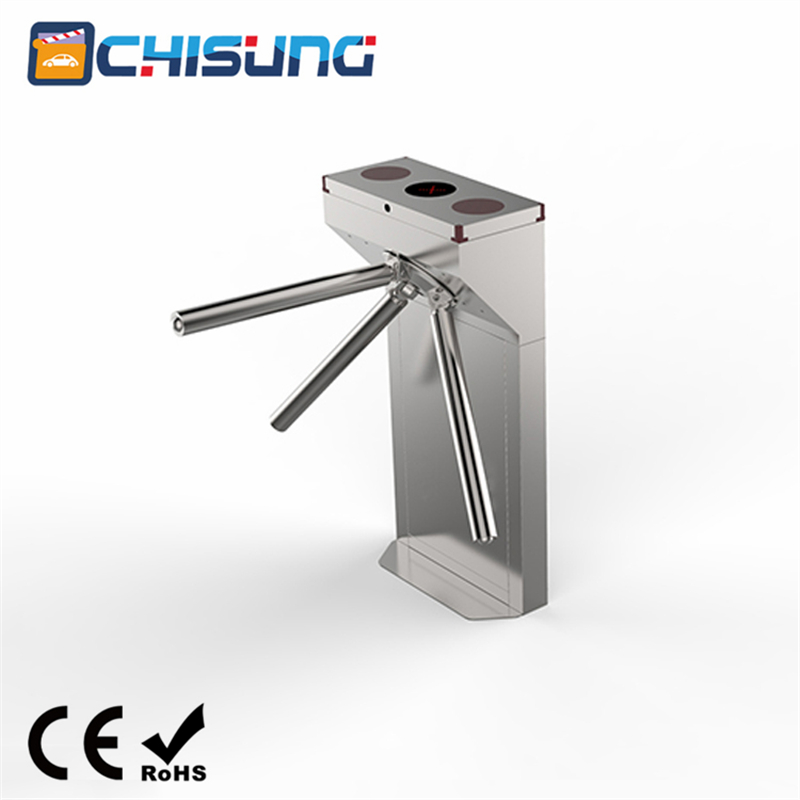
Access control systems have become essential for modern facilities, with the tripod turnstile emerging as one of the most reliable and cost-effective solutions. Whether you're securing an office building, managing crowd flow at a sports facility, or controlling entry to a manufacturing plant, selecting the right tripod turnstile requires careful consideration of multiple factors. The effectiveness of your access control system depends entirely on choosing equipment that matches your specific operational requirements, security needs, and environmental conditions.
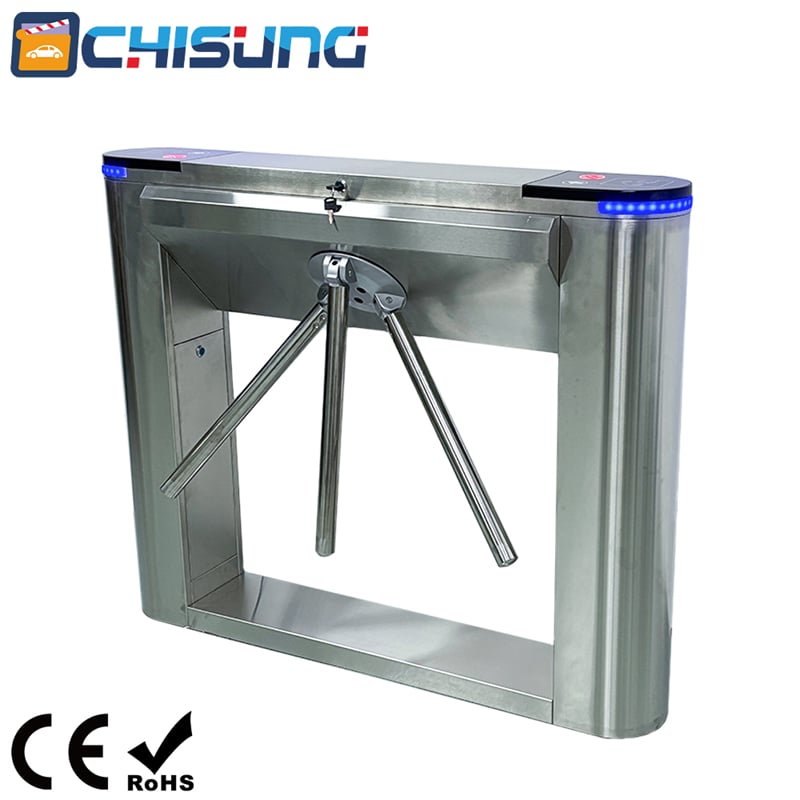
The decision-making process becomes more complex when you consider the wide variety of tripod turnstile models available in today's market. Each type offers distinct advantages and limitations, making it crucial to understand your facility's unique demands before making a purchase. From basic mechanical units to sophisticated electronic systems with biometric integration, the tripod turnstile market offers solutions for virtually every application. Understanding these differences will help you make an informed decision that provides long-term value and optimal security performance.
Understanding Tripod Turnstile Fundamentals
Basic Operation Principles
The tripod turnstile operates on a simple yet effective mechanical principle that controls pedestrian access through a rotating three-arm barrier system. When an authorized person approaches, the system either automatically releases or requires manual activation to allow passage. The rotating arms ensure that only one person can pass through at a time, preventing unauthorized tailgating and maintaining accurate entry counts. This fundamental design has proven incredibly reliable across decades of use in various industries.
Modern tripod turnstile systems incorporate electronic components that enhance their basic mechanical function. These additions include card readers, biometric scanners, and network connectivity that integrate with broader security management systems. The electronic enhancements allow for real-time monitoring, access logging, and remote control capabilities while maintaining the inherent reliability of the mechanical barrier system. Understanding these operational principles helps facility managers select systems that align with their security protocols and operational workflows.
Key Components and Features
Every tripod turnstile consists of several critical components that determine its performance and durability. The housing typically features stainless steel or powder-coated steel construction to withstand environmental conditions and resist tampering attempts. The rotating mechanism includes precision bearings and locking systems that ensure smooth operation and secure barrier positioning. Electronic components such as control boards, sensors, and communication modules integrate seamlessly with the mechanical elements to provide comprehensive access control functionality.
Advanced tripod turnstile models offer additional features that enhance user experience and security effectiveness. LED indicators provide clear visual feedback about access status, while alarm systems alert security personnel to unauthorized access attempts or system malfunctions. Some units include emergency release mechanisms that allow free passage during fire alarms or other emergency situations. These features combine to create a comprehensive access control solution that balances security requirements with user convenience and safety considerations.
Security Level Assessment
Determining Your Facility's Security Requirements
Assessing your facility's security needs forms the foundation for selecting an appropriate tripod turnstile system. High-security environments such as government buildings, research facilities, or financial institutions require robust systems with advanced authentication methods and comprehensive logging capabilities. Medium-security applications like corporate offices or educational institutions may benefit from card-based access control with basic monitoring features. Low-security environments such as gyms or casual retail spaces might only need simple passage control without extensive authentication requirements.
The threat level analysis should consider both external and internal security concerns. External threats might include unauthorized entry attempts, while internal concerns could involve employee access management and visitor tracking. Each tripod turnstile configuration offers different levels of protection against these various threats. Understanding your specific risk profile helps narrow down the features and capabilities needed in your access control system, ensuring you invest in appropriate security measures without over-engineering the solution.
Integration with Existing Security Systems
Modern facilities often operate multiple security systems that must work together seamlessly to provide comprehensive protection. Your tripod turnstile selection should consider integration capabilities with existing CCTV systems, alarm networks, and access control databases. Compatible communication protocols and software interfaces ensure that your new turnstile system enhances rather than complicates your overall security infrastructure. This integration capability allows for centralized monitoring and coordinated response to security events.
Network connectivity options vary significantly among tripod turnstile models, affecting their integration potential. Some systems offer TCP/IP connectivity for real-time communication with security management platforms, while others may only provide basic relay outputs for simple alarm integration. Cloud-based management capabilities allow for remote monitoring and system updates, which can be particularly valuable for multi-site operations. Evaluating these integration features ensures your tripod turnstile investment supports both current and future security system requirements.
Environmental Considerations
Indoor versus Outdoor Installation Requirements
Environmental conditions significantly impact tripod turnstile performance and longevity, making location-specific selection crucial for optimal results. Indoor installations typically face controlled environments with stable temperatures and minimal exposure to moisture or contaminants. These conditions allow for standard construction materials and electronic components that prioritize functionality and cost-effectiveness. However, indoor units must still consider factors such as HVAC effects, cleaning chemical exposure, and potential temperature fluctuations near building entrances.
Outdoor tripod turnstile installations demand specialized construction and protection features to withstand weather exposure and temperature extremes. Stainless steel housing with appropriate IP ratings protects internal components from moisture ingress, while temperature-compensated electronics ensure reliable operation across seasonal variations. UV-resistant materials prevent degradation from sun exposure, and corrosion-resistant finishes maintain appearance and structural integrity. These environmental protections typically increase initial costs but provide essential long-term reliability for exterior applications.
Climate and Weather Protection
Specific climate conditions require targeted protection features in tripod turnstile design and installation. Coastal environments with salt air exposure demand enhanced corrosion resistance through specialized coatings and materials selection. Cold climate installations need heating elements or temperature compensation to prevent mechanism freezing and ensure reliable winter operation. Hot climate applications may require cooling systems or heat-resistant components to maintain performance during extreme temperature conditions.
Seasonal weather variations create additional challenges that must be addressed in tripod turnstile selection and installation planning. Rain protection requires proper drainage design and sealed electronic enclosures to prevent water damage. Snow and ice conditions may necessitate heating elements or special surface treatments to maintain safe operation. Wind loading calculations become important for installations in exposed locations where strong gusts could affect turnstile stability or operation. These climate-specific considerations ensure reliable year-round performance regardless of environmental conditions.
Traffic Flow and Capacity Planning
Analyzing Peak Usage Patterns
Understanding your facility's traffic patterns provides essential data for selecting tripod turnstile configurations that handle peak loads without creating bottlenecks. Rush hour periods, shift changes, and special events create concentrated demand that must be accommodated through appropriate system capacity and response time. Analyzing historical access data or conducting traffic studies helps identify these peak periods and quantify the throughput requirements your tripod turnstile system must handle effectively.
Different tripod turnstile models offer varying passage rates that directly impact their ability to handle high-traffic situations. Basic mechanical units typically allow 15-20 people per minute, while electronically controlled systems may reduce this rate depending on authentication requirements. Biometric systems generally have slower throughput due to scanning and verification delays. Balancing security requirements with traffic flow needs requires careful consideration of these performance characteristics and their impact on user experience during busy periods.
Multiple Unit Configuration Strategies
High-traffic facilities often require multiple tripod turnstile units working together to provide adequate capacity while maintaining security effectiveness. Parallel installation configurations allow for increased throughput by distributing the traffic load across several units. However, this approach requires careful consideration of space requirements, power distribution, and network connectivity to ensure all units function properly as an integrated system. The tripod turnstile selection process should account for these scalability requirements from the initial planning stages.
Directional flow management becomes increasingly important with multiple tripod turnstile installations. Some configurations dedicate specific units for entry while others handle exit traffic exclusively. Bidirectional units offer more flexibility but may require additional controls to prevent confusion during peak periods. Emergency egress considerations mandate that multiple unit installations include provisions for rapid evacuation when necessary. These configuration strategies require coordination between facility planning, security requirements, and fire safety regulations to ensure optimal performance and compliance.
Technology and Authentication Methods
Card-Based Access Control Systems
Card-based authentication remains one of the most popular methods for tripod turnstile access control due to its balance of security, convenience, and cost-effectiveness. RFID proximity cards offer contactless operation that speeds throughput while providing reliable identification capabilities. Magnetic stripe cards provide a lower-cost alternative but require contact reading that may slow passage rates and increase maintenance requirements due to card reader wear. Smart cards with embedded processors offer enhanced security through encryption capabilities but typically increase system costs and complexity.
The selection between different card technologies should consider your facility's existing access control infrastructure and future expansion plans. Many organizations already have established card systems for other applications such as parking or building access, making compatibility an important factor in tripod turnstile selection. Multi-technology readers can accommodate multiple card formats simultaneously, providing flexibility for mixed environments or transition periods. However, this flexibility often comes at increased cost and complexity that must be weighed against operational benefits.
Biometric Integration Capabilities
Biometric authentication provides the highest level of security for tripod turnstile access control by verifying unique physical characteristics that cannot be easily duplicated or shared. Fingerprint scanning offers proven reliability and user acceptance while maintaining reasonable costs for most applications. Facial recognition systems provide contactless operation that improves user experience and reduces maintenance requirements associated with physical contact sensors. However, biometric systems typically require longer authentication times that may impact traffic flow during peak periods.
Integration of biometric capabilities with tripod turnstile systems requires careful consideration of privacy concerns and user acceptance factors. Some individuals may resist biometric enrollment due to personal or cultural reasons, necessitating alternative authentication methods for universal accessibility. Database management and privacy protection become more complex with biometric systems, requiring secure storage and transmission of sensitive personal data. These considerations must be balanced against the enhanced security benefits that biometric authentication provides for high-risk applications.
Maintenance and Operational Considerations
Preventive Maintenance Requirements
Regular maintenance schedules are essential for maintaining tripod turnstile reliability and extending system lifespan. Mechanical components such as rotating mechanisms and locking systems require periodic lubrication and adjustment to ensure smooth operation and prevent premature wear. Electronic systems need regular cleaning and calibration to maintain accurate sensor performance and prevent false readings that could impact user experience. Understanding these maintenance requirements helps facilities budget appropriately for ongoing operational costs and staffing needs.
Maintenance complexity varies significantly among different tripod turnstile models, affecting both direct costs and operational impact. Simple mechanical units may only require basic lubrication and visual inspections, while sophisticated electronic systems might need specialized diagnostic equipment and trained technicians for proper servicing. Modular designs facilitate component replacement and reduce repair times, while integrated systems may require complete unit replacement for major failures. These factors influence total cost of ownership and should be considered during the initial selection process.
Troubleshooting and Support Services
Reliable technical support and troubleshooting resources are crucial for maintaining tripod turnstile system performance and minimizing operational disruptions. Manufacturer support quality varies widely, with some providers offering comprehensive training programs and responsive technical assistance while others provide minimal support beyond basic documentation. Local service availability becomes particularly important for facilities in remote locations where on-site support may be difficult to obtain quickly during emergency situations.
Diagnostic capabilities built into modern tripod turnstile systems can significantly reduce troubleshooting time and support costs. Self-diagnostic features identify common problems and provide clear error codes that help maintenance staff resolve issues quickly. Remote monitoring capabilities allow manufacturer support teams to assess system status and provide guidance without requiring on-site visits. These features can substantially reduce system downtime and maintenance costs while improving overall reliability and user satisfaction.
Budget Planning and Cost Analysis
Initial Investment Considerations
The initial cost of a tripod turnstile system includes not only the equipment purchase price but also installation, configuration, and integration expenses that can significantly impact the total project budget. Basic mechanical units typically offer the lowest upfront costs but may lack features needed for comprehensive access control. Electronic systems with card readers and network connectivity increase initial investment but provide enhanced functionality and integration capabilities. High-end units with biometric authentication and advanced monitoring features command premium prices but deliver superior security performance.
Installation costs vary depending on site preparation requirements, power availability, and network infrastructure needs. Simple installations in prepared locations with existing power and network connections minimize additional expenses, while complex installations requiring concrete work, electrical upgrades, or network extensions can substantially increase project costs. Professional installation and configuration services ensure proper system operation but add to the initial investment. These factors should be considered together when evaluating different tripod turnstile options and their total implementation costs.
Long-Term Operating Expenses
Operating costs over the system's lifespan often exceed the initial purchase price, making long-term expense analysis crucial for accurate budget planning. Energy consumption varies among different tripod turnstile models, with electronic systems typically requiring more power than basic mechanical units. Maintenance costs include routine servicing, component replacement, and potential repair expenses that accumulate over years of operation. Software licensing fees and system upgrade costs may also contribute to ongoing expenses, particularly for networked systems with advanced management capabilities.
Return on investment calculations should consider both quantifiable benefits such as reduced security staffing costs and intangible benefits like improved access control and user convenience. Labor cost savings from automated access control can be substantial for facilities that previously relied on security guards or reception staff for entry management. Improved security effectiveness may reduce losses from unauthorized access or provide insurance premium reductions. These benefits help justify the investment in quality tripod turnstile systems and support selection of appropriate feature sets for specific applications.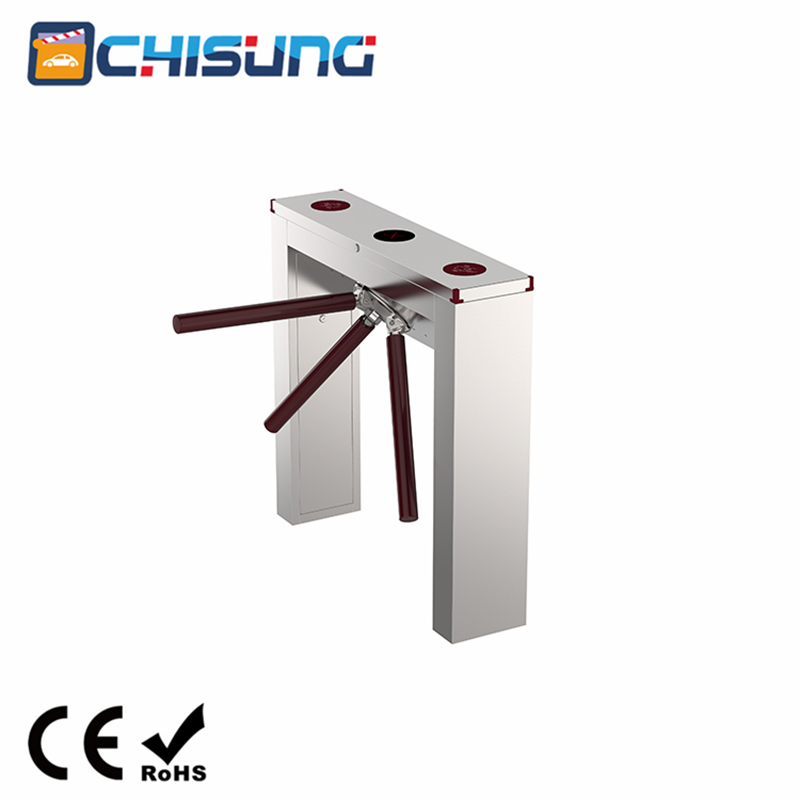
FAQ
What factors determine the right tripod turnstile for my facility
The selection of an appropriate tripod turnstile depends on several key factors including your facility's security requirements, traffic volume, environmental conditions, and integration needs with existing systems. Security level determines whether you need basic passage control or advanced authentication features like biometric scanning. Traffic patterns influence the required throughput capacity and whether multiple units are necessary. Indoor or outdoor installation affects construction materials and environmental protection requirements. Your existing access control infrastructure determines compatibility and integration requirements for seamless operation.
How do I calculate the required capacity for my tripod turnstile system
Calculating tripod turnstile capacity requires analyzing your facility's peak traffic periods and determining the maximum number of people who need to pass through during specific time intervals. Count the number of people entering during your busiest 15-minute period and multiply by four to get hourly capacity requirements. Compare this to the manufacturer's specified throughput rate for different tripod turnstile models, typically ranging from 900 to 1200 people per hour for standard units. Add a safety margin of 20-30% to account for system maintenance periods and unexpected traffic surges.
What maintenance is required for tripod turnstile systems
Regular maintenance for tripod turnstile systems includes mechanical component lubrication, electronic system cleaning and calibration, and periodic safety inspections. Mechanical parts typically require lubrication every three to six months depending on usage levels and environmental conditions. Electronic components need monthly cleaning to remove dust and debris that could affect sensor performance. Annual professional inspections should verify all safety systems, emergency release mechanisms, and compliance with local fire codes. Preventive maintenance schedules help identify potential issues before they cause system failures or safety concerns.
Can tripod turnstiles integrate with my existing security system
Most modern tripod turnstile systems offer integration capabilities with existing security infrastructure through various communication protocols and software interfaces. Common integration options include TCP/IP network connections for real-time data exchange, relay outputs for alarm system connections, and API interfaces for custom software integration. Compatibility with popular access control platforms ensures seamless operation with existing card readers, databases, and monitoring systems. However, integration complexity varies among different manufacturers and models, making it important to verify compatibility requirements during the selection process to ensure smooth implementation and operation.