
 EN
EN
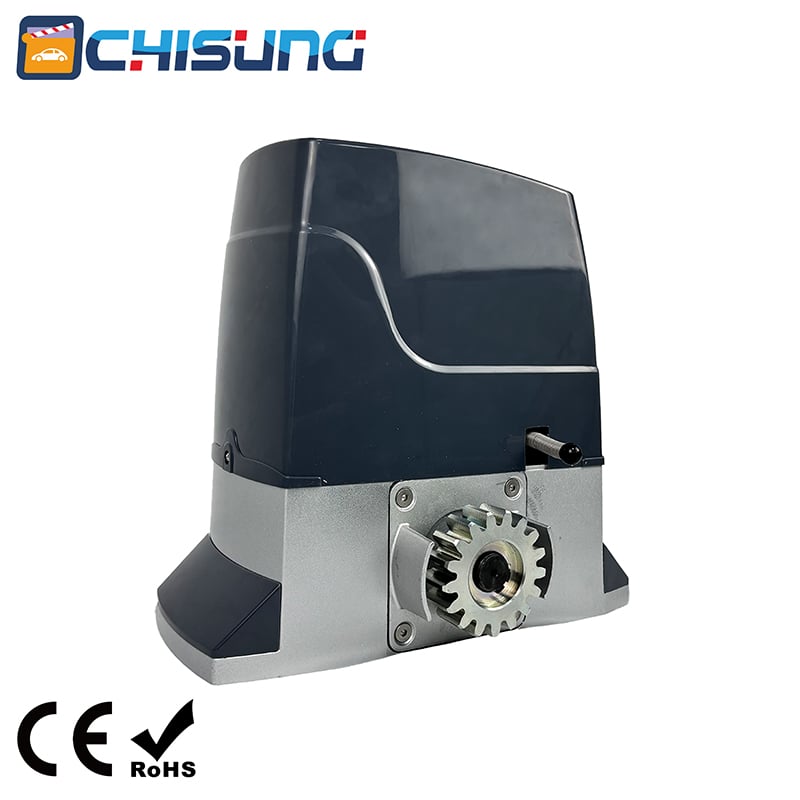
When selecting a sliding gate opener for your property, understanding the essential features that deliver reliable performance, durability, and security becomes paramount. A quality sliding gate opener serves as the backbone of automated gate systems, ensuring smooth operation while protecting your investment for years to come. The complexity of modern gate automation technology means that buyers must carefully evaluate multiple factors before making their final decision. Commercial properties, residential developments, and industrial facilities all require different specifications from their sliding gate opener systems. This comprehensive analysis explores the most critical features that separate premium solutions from basic alternatives in today's competitive marketplace.
Motor Power and Performance Specifications
Understanding Motor Capacity Requirements
The motor capacity of your sliding gate opener determines the maximum gate weight it can handle effectively and safely. Professional installations typically require motors ranging from 20W to 100W depending on gate dimensions and material composition. Heavy-duty commercial gates constructed from steel or wrought iron demand higher wattage ratings to ensure consistent performance throughout their operational lifecycle. Residential applications often function adequately with lower wattage motors, though oversizing provides better longevity and reduced strain on mechanical components. The relationship between motor power and gate weight directly impacts the system's ability to maintain smooth operation during adverse weather conditions.
Torque specifications represent another critical aspect of motor performance that affects daily operation quality. High-torque motors excel at overcoming initial resistance when gates begin moving from stationary positions. This characteristic becomes especially important in environments where debris, ice, or seasonal expansion may increase operational resistance. Variable speed control features allow sliding gate opener systems to adjust power delivery based on real-time conditions, extending component life while maintaining consistent performance. Professional-grade systems incorporate feedback mechanisms that monitor motor load and adjust operation parameters automatically to prevent overheating or mechanical damage.
Duty Cycle and Operational Frequency
Duty cycle ratings indicate how frequently your sliding gate opener can operate without experiencing thermal overload or component degradation. Commercial installations often require 50% or higher duty cycles to accommodate heavy traffic patterns throughout business hours. Residential systems typically operate effectively with lower duty cycles, though higher ratings provide additional reliability margin for occasional heavy usage periods. The correlation between duty cycle and motor cooling design directly affects long-term reliability and maintenance requirements for your automated gate system.
Operational frequency specifications help determine whether a particular sliding gate opener model suits your specific traffic patterns and usage expectations. High-frequency applications benefit from industrial-grade components designed to withstand millions of operational cycles without significant performance degradation. Standard residential models provide adequate reliability for typical family usage patterns while offering cost-effective solutions for budget-conscious installations. Understanding your expected usage patterns enables more accurate product selection and helps prevent premature component failure due to operational demands exceeding design specifications.
Safety and Security Integration Features
Obstacle Detection and Emergency Systems
Modern sliding gate opener systems incorporate sophisticated obstacle detection technology to prevent accidents and property damage during automated operation. Infrared sensors, pressure-sensitive edges, and photoelectric beams create multiple layers of protection that immediately halt gate movement when obstructions are detected. These safety features comply with international standards for automated gate systems and provide essential protection for pedestrians, vehicles, and property. Advanced systems can differentiate between temporary obstructions and permanent obstacles, automatically resuming operation when safe conditions are restored.
Emergency override capabilities ensure your sliding gate opener remains functional during power outages or system malfunctions. Battery backup systems provide temporary power for essential operations, allowing gates to complete their current cycle and return to secure positions. Manual release mechanisms enable physical operation when electronic systems are unavailable, though proper training and clear instructions become essential for safe manual operation. Emergency stop functions provide immediate halt capabilities for situations requiring instant intervention, typically featuring prominently positioned buttons or wireless emergency controls.
Access Control and Authentication Methods
Comprehensive access control integration transforms your sliding gate opener into a sophisticated security management system. Remote control compatibility allows authorized users convenient access while maintaining security protocols for unauthorized individuals. Keypad entry systems provide code-based access that can be easily changed or temporarily disabled for enhanced security management. Card reader integration enables advanced authentication methods suitable for commercial and industrial applications requiring detailed access logging and user management capabilities.
Smart connectivity features allow modern sliding gate opener systems to integrate with comprehensive security networks and home automation platforms. Mobile app control provides remote monitoring and operation capabilities, enabling users to verify gate status and control access from anywhere with internet connectivity. Time-based access restrictions can automatically limit operation during specific hours or days, providing additional security layers for sensitive installations. Integration with surveillance systems creates comprehensive security solutions that document all gate activities and provide visual verification of access events.
Construction Quality and Durability Factors
Material Selection and Weather Resistance
The construction materials used in your sliding gate opener directly impact its longevity and maintenance requirements in diverse environmental conditions. Aluminum housings provide excellent corrosion resistance while maintaining lightweight characteristics that simplify installation and reduce structural loading on gate frames. Steel components offer superior strength and impact resistance, making them ideal for heavy-duty commercial applications where robust construction is paramount. Stainless steel elements provide the ultimate combination of strength and corrosion resistance, though at premium pricing levels appropriate for critical installations.
Weather sealing technology protects internal components from moisture, dust, and temperature extremes that can compromise system reliability. IP65 or higher ingress protection ratings ensure your sliding gate opener operates reliably in harsh outdoor environments including coastal areas with salt spray exposure. Thermal management features prevent component damage during extreme temperature conditions, extending operational life and reducing maintenance frequency. UV-resistant materials and finishes protect external components from solar degradation that can affect both appearance and structural integrity over time.
Mechanical Design and Component Quality
Precision-engineered mechanical components ensure smooth, quiet operation while minimizing wear and maintenance requirements throughout the system's operational life. High-quality bearings and bushings reduce friction and operational noise while extending service intervals between routine maintenance procedures. Gear reduction systems must balance speed, torque, and efficiency to provide optimal performance characteristics for specific gate applications. Self-lubricating components reduce maintenance requirements while ensuring consistent performance in environments where regular servicing may be challenging or costly.
Manufacturing tolerances and assembly precision directly affect the long-term reliability and performance consistency of sliding gate opener systems. Computer-controlled manufacturing processes ensure component compatibility and proper fit, reducing the likelihood of premature failure due to manufacturing defects. Quality control procedures during assembly prevent installation of defective components and verify proper calibration of safety systems. Professional-grade products undergo extensive testing protocols that simulate years of operation to identify potential failure modes and verify design specifications under real-world conditions.
Installation and Maintenance Considerations
Installation Flexibility and Requirements
Installation flexibility determines how easily your sliding gate opener can be integrated with existing gate systems or incorporated into new construction projects. Universal mounting patterns accommodate various gate styles and structural configurations without requiring custom fabrication or extensive modifications. Adjustable mounting brackets provide fine-tuning capabilities that ensure proper alignment and optimal performance across different installation scenarios. Pre-configured wiring harnesses and standardized electrical connections simplify installation while reducing the potential for wiring errors that could affect system performance or safety.
Foundation and structural requirements vary significantly between different sliding gate opener models and affect overall installation costs and complexity. Lightweight systems may operate effectively with minimal foundation preparation, while heavy-duty commercial units require substantial concrete foundations and structural support systems. Clear installation specifications and professional guidance help ensure proper foundation design that provides stable operation and prevents structural issues over time. Electrical requirements including power supply specifications and control wiring must be properly planned to ensure reliable operation and compliance with local electrical codes.
Maintenance Accessibility and Service Requirements
Maintenance accessibility features directly impact the long-term cost of ownership and system reliability for sliding gate opener installations. Removable covers and access panels allow routine inspection and service without requiring system disassembly or professional service calls. Clear maintenance schedules and procedures help ensure optimal performance while preventing premature component failure due to neglected routine care. Self-diagnostic capabilities provide early warning of potential issues and guide troubleshooting procedures that minimize downtime and repair costs.
Component availability and technical support quality affect your ability to maintain system performance over extended operational periods. Manufacturers with comprehensive parts inventories and responsive technical support provide better long-term value compared to suppliers with limited support infrastructure. Training resources and documentation quality help facility maintenance personnel develop competency in routine service procedures and minor troubleshooting tasks. Warranty coverage and service network availability provide additional assurance for significant investments in automated gate systems.
Technology Integration and Future-Proofing
Smart Technology and IoT Connectivity
Modern sliding gate opener systems increasingly incorporate smart technology features that enhance functionality while providing valuable operational data and remote management capabilities. Internet connectivity enables remote monitoring, diagnostics, and control through web-based interfaces and mobile applications. Cloud-based data logging provides insights into usage patterns, maintenance needs, and performance trends that support proactive maintenance scheduling and system optimization. Integration with building management systems allows centralized control and monitoring of multiple gate systems across large facilities or distributed locations.
Firmware update capabilities ensure your sliding gate opener remains current with evolving technology standards and security protocols. Over-the-air updates can add new features, improve performance, and address security vulnerabilities without requiring on-site service calls or hardware modifications. API integration capabilities allow custom software development and integration with specialized applications or third-party systems. Future expansion possibilities should be considered during initial system selection to avoid costly upgrades or replacements as technology requirements evolve.
Compatibility and Standardization
Industry standard compliance ensures your sliding gate opener integrates seamlessly with other security and automation systems while maintaining upgrade flexibility for future enhancements. Protocol compatibility with common industrial communication standards facilitates integration with existing infrastructure and reduces implementation complexity. Standardized interfaces and mounting systems simplify component replacement and system modifications without requiring complete system redesign or replacement. Backward compatibility features protect existing investments when upgrading individual system components or expanding functionality.
Vendor-neutral design approaches prevent system lock-in scenarios where future modifications or expansions become dependent on single suppliers or proprietary technologies. Open architecture systems provide flexibility for integrating best-of-breed components from multiple manufacturers while maintaining system coherence and reliability. Documentation standards and technical specifications ensure system information remains accessible and useful throughout extended operational lifecycles. Professional installation and configuration services help ensure proper implementation of complex integration requirements and optimize system performance from initial commissioning.
FAQ
What motor power rating do I need for my sliding gate opener
Motor power requirements depend on your gate's weight, size, and frequency of use. Residential gates typically require 20-40W motors, while commercial installations may need 40-100W or higher. Gate material, wind exposure, and daily operational cycles also influence power requirements. Consult with installation professionals to ensure proper motor sizing for your specific application and environmental conditions.
How do I determine the appropriate duty cycle for my installation
Duty cycle selection depends on your expected daily usage patterns and peak operational periods. Residential applications typically function well with 25-30% duty cycles, while commercial installations may require 50% or higher ratings. Consider seasonal variations, special events, and future usage growth when selecting duty cycle specifications to ensure reliable long-term performance without thermal overload concerns.
What safety features are essential for sliding gate opener systems
Essential safety features include obstacle detection sensors, emergency stop capabilities, manual release mechanisms, and battery backup systems. Photoelectric beams, pressure-sensitive edges, and infrared sensors provide multi-layer protection against accidents. Emergency override functions ensure access during power outages, while proper safety signage and user training complete comprehensive safety implementation for automated gate systems.
How long should a quality sliding gate opener last with proper maintenance
Quality sliding gate opener systems typically provide 10-15 years of reliable service with proper maintenance and appropriate usage patterns. Premium commercial-grade units may exceed 20 years with regular professional servicing and component replacement as needed. Environmental conditions, usage frequency, and maintenance quality directly impact operational lifespan, making proper care essential for maximizing your investment return and system reliability.