
 EN
EN
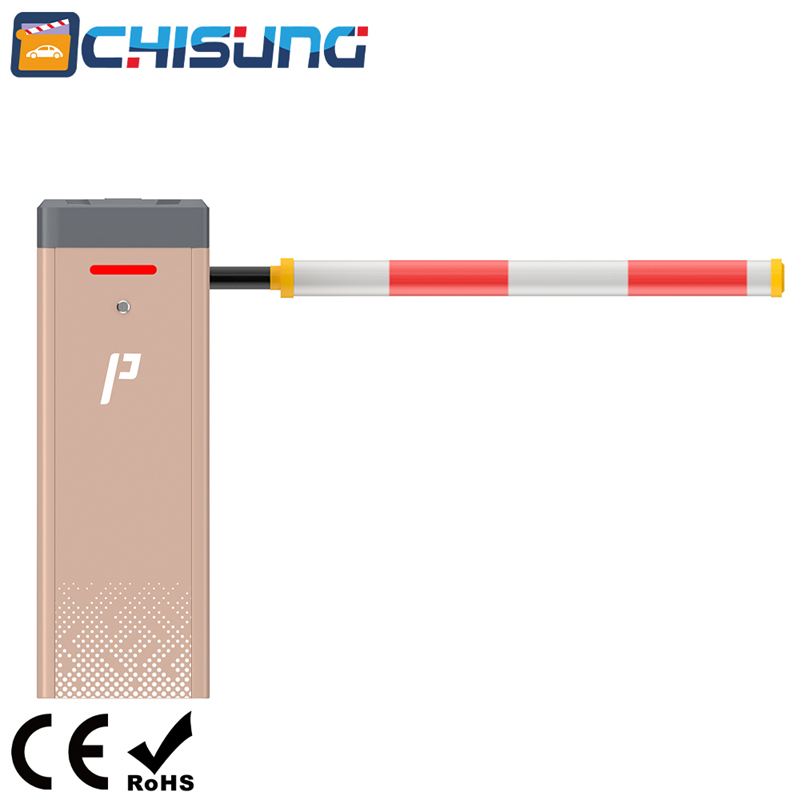
Property managers and security professionals face increasing challenges in controlling vehicle access to their premises. A barrier gate system provides an effective solution for managing traffic flow while maintaining security protocols across various commercial, residential, and industrial environments. Understanding the optimal timing and circumstances for barrier gate installation can significantly impact both security effectiveness and operational efficiency. Modern access control requirements demand sophisticated yet reliable solutions that adapt to diverse operational needs while delivering consistent performance over extended periods.
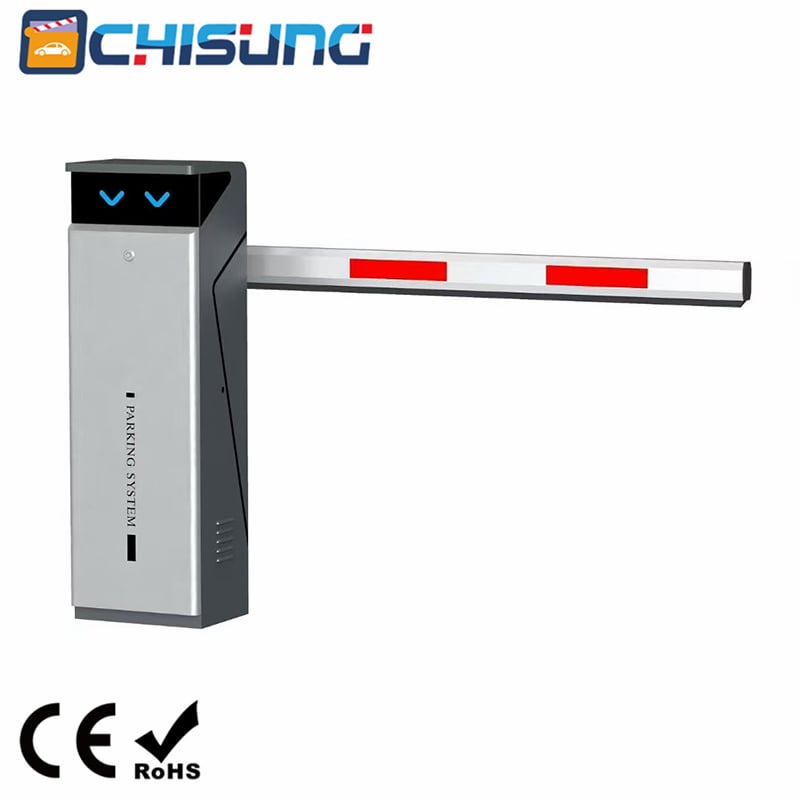
Critical Security Indicators Requiring Barrier Gate Implementation
Unauthorized Vehicle Access Incidents
When unauthorized vehicles repeatedly breach your property perimeter, installing a barrier gate becomes essential for maintaining security integrity. These incidents often escalate over time, creating liability concerns and compromising the safety of legitimate occupants. A properly configured barrier gate system acts as a physical deterrent while providing controlled access points that can be monitored and managed effectively.
Security breaches involving vehicles can result in property damage, theft, or safety hazards that exceed the investment cost of a comprehensive access control system. Documentation of unauthorized access attempts helps justify the implementation timeline and supports decision-making processes for facility managers and property owners seeking reliable security solutions.
High-Value Asset Protection Requirements
Properties containing valuable equipment, inventory, or sensitive materials require enhanced perimeter security measures beyond traditional fencing or signage. A barrier gate provides tangible protection that insurance providers often recognize through reduced premium rates for properties demonstrating proactive security measures. This physical barrier creates multiple layers of security that deter casual intrusion while providing controlled access for authorized personnel.
Industrial facilities, construction sites, and commercial properties with expensive machinery benefit significantly from barrier gate installation. The system prevents opportunistic theft while maintaining operational flexibility for legitimate business activities throughout various operational schedules and access requirements.
Operational Efficiency Considerations for Barrier Gate Systems
Traffic Volume Management Needs
High-volume vehicle traffic requires systematic management to prevent congestion and maintain smooth operational flow. A barrier gate system provides automated control mechanisms that reduce manual oversight requirements while ensuring consistent access management during peak and off-peak periods. This automation becomes particularly valuable for facilities experiencing rapid growth or seasonal traffic variations.
Properties with multiple daily visitors, delivery schedules, or shift changes benefit from the systematic approach that barrier gate technology provides. The system eliminates bottlenecks associated with manual gate operation while maintaining security protocols that protect both the facility and its occupants throughout various operational scenarios.
Labor Cost Reduction Opportunities
Manual security personnel costs continue rising, making automated access control systems increasingly cost-effective for long-term operational planning. A barrier gate reduces dependence on human oversight while providing consistent security coverage during all operational hours. This automation allows security personnel to focus on higher-value activities rather than routine access control tasks.
Return on investment calculations often demonstrate significant savings within the first operational year, particularly for facilities requiring 24-hour access control. The elimination of multiple security shifts while maintaining comprehensive access management creates substantial cost advantages that justify barrier gate implementation across various property types and operational requirements.
Regulatory and Compliance Factors Driving Installation
Insurance and Liability Requirements
Insurance providers increasingly require documented security measures for commercial properties, particularly those in high-risk categories or locations. A barrier gate system provides verifiable access control that satisfies many insurance requirements while potentially reducing premium costs through demonstrated risk mitigation efforts. This documentation becomes crucial during claim investigations or liability assessments.
Properties housing hazardous materials, valuable inventory, or sensitive information face elevated insurance requirements that barrier gate systems can help address. The physical security barrier provides measurable protection that insurance assessors recognize as effective risk reduction, supporting favorable policy terms and coverage options.
Industry-Specific Security Standards
Certain industries mandate specific access control measures that barrier gate systems can effectively address. Healthcare facilities, educational institutions, government properties, and critical infrastructure sites often require controlled vehicle access that meets regulatory standards for security and operational continuity. These requirements typically specify physical barriers combined with access monitoring capabilities.
Compliance audits frequently evaluate access control measures, making barrier gate systems valuable for maintaining certification standards and regulatory approval. The documented access control provided by modern barrier gate technology supports compliance reporting while ensuring consistent adherence to industry-specific security protocols.
Technology Integration and Smart Facility Requirements
Access Control System Integration
Modern facilities increasingly require integrated security systems that combine multiple access control technologies into cohesive management platforms. A barrier gate system serves as a cornerstone component that connects with card readers, license plate recognition systems, and facility management software to create comprehensive security ecosystems. This integration enables centralized monitoring and control across various access points and security zones.
Smart building initiatives often include barrier gate technology as essential infrastructure for automated facility management. The system provides data collection capabilities that support operational analytics while maintaining security protocols that adapt to changing facility requirements and user patterns throughout various operational cycles.
Remote Monitoring and Management Capabilities
Properties requiring remote management benefit significantly from barrier gate systems that provide cloud-based monitoring and control capabilities. This technology enables facility managers to oversee multiple locations from centralized control centers while maintaining local security protocols and emergency response procedures. Remote management reduces operational overhead while improving response times for security incidents or system maintenance requirements.
Emergency response protocols often require remote access control capabilities that barrier gate systems can provide through integrated communication networks. This functionality ensures security continuity during staffing disruptions while maintaining authorized access for emergency personnel and essential services throughout various operational scenarios.
Installation Timing and Project Planning Considerations
Seasonal and Weather Factors
Barrier gate installation projects require careful timing consideration to minimize operational disruption while ensuring optimal system performance. Weather conditions significantly impact installation quality and timeline, making spring and early fall ideal periods for most geographic locations. Proper installation timing prevents weather-related delays while ensuring adequate testing and commissioning time before peak operational periods.
Facilities with seasonal operational variations should coordinate barrier gate installation with low-activity periods to minimize business impact. This planning approach allows comprehensive system testing and staff training while avoiding disruption during critical operational windows or high-traffic periods that could compromise both security and operational efficiency.
Budget Cycle and Funding Alignment
Capital expenditure planning often determines optimal barrier gate installation timing, requiring coordination with annual budget cycles and funding availability. Many organizations benefit from planning barrier gate projects during fiscal year transitions when capital budgets reset and new security initiatives receive funding priority. This timing alignment ensures adequate financial resources while supporting comprehensive system implementation.
Grant funding and security improvement programs sometimes provide installation opportunities that require specific timing coordination. Properties eligible for security enhancement grants should align barrier gate projects with funding cycles while ensuring compliance with grant requirements and installation timelines that maximize available financial assistance.
FAQ
What factors determine the ideal barrier gate installation timeline?
The optimal installation timeline depends on security incident frequency, operational requirements, budget availability, and seasonal considerations. Properties experiencing regular security breaches should prioritize immediate installation, while facilities with stable security conditions can plan installation during low-activity periods. Weather conditions, staff availability, and funding cycles also influence ideal timing for barrier gate projects.
How do barrier gate systems integrate with existing security infrastructure?
Modern barrier gate systems connect seamlessly with existing access control platforms, surveillance systems, and facility management software through standardized communication protocols. Integration capabilities include card reader compatibility, license plate recognition systems, and remote monitoring platforms that enhance overall security effectiveness while maintaining operational simplicity and user-friendly management interfaces.
What maintenance requirements should be considered before barrier gate installation?
Barrier gate systems require periodic maintenance including mechanical component inspection, software updates, and access control database management. Regular maintenance schedules typically include monthly operational testing, quarterly system calibration, and annual comprehensive inspections. Understanding maintenance requirements helps facility managers plan operational budgets and ensure consistent system performance throughout the equipment lifecycle.
How quickly can barrier gate systems be installed and operational?
Standard barrier gate installation typically requires three to five business days including site preparation, equipment installation, system programming, and operational testing. Complex installations with multiple integration requirements may extend installation timelines to two weeks. Proper site preparation and clear access requirements can significantly reduce installation time while ensuring optimal system performance and reliability from initial activation.