
 EN
EN
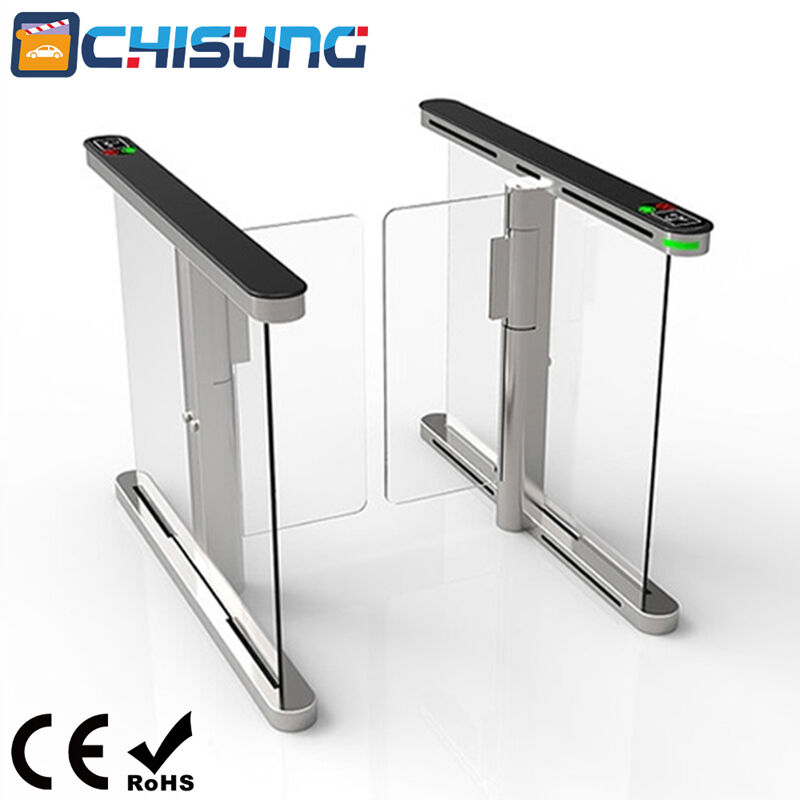
As we move into 2026, businesses across industries are increasingly evaluating their access control systems to determine whether traditional barriers still meet their evolving security needs. The decision to upgrade to a smart speed gate has become a critical consideration for facilities seeking enhanced security, improved operational efficiency, and better visitor management. Organizations must carefully assess factors including current system limitations, security requirements, and technological advancements to determine the optimal timing for this significant infrastructure investment.
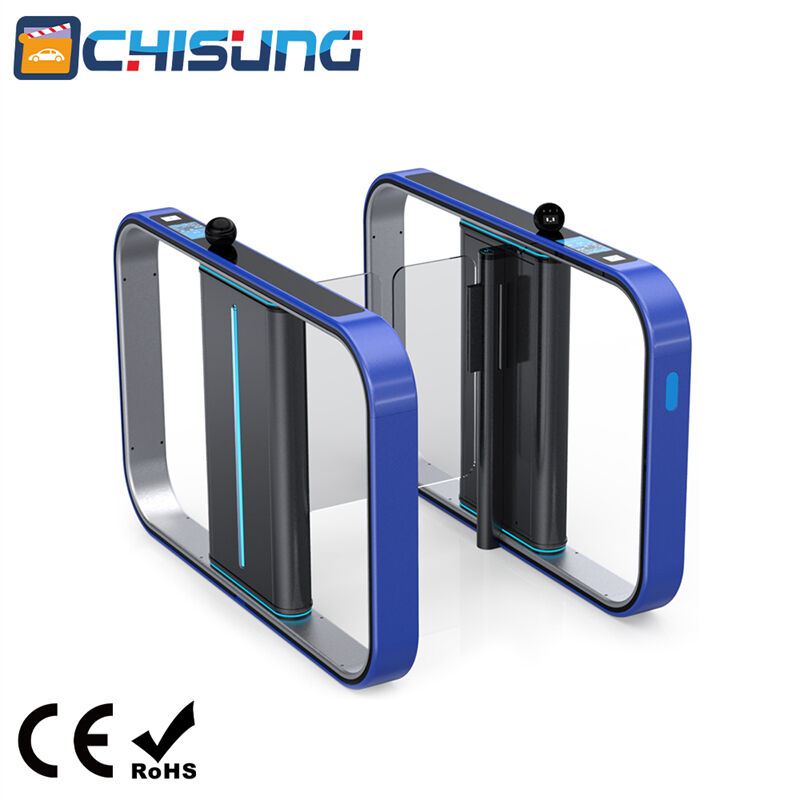
Understanding Modern Speed Gate Technology
Advanced Access Control Features
Modern speed gate systems incorporate sophisticated biometric authentication, multi-factor verification, and real-time monitoring capabilities that far exceed traditional turnstile functionality. These systems can process authorized personnel through checkpoints in under one second while maintaining stringent security protocols. Integration with existing building management systems allows for seamless operation across multiple access points, creating a unified security ecosystem that adapts to changing organizational needs throughout the day.
Smart speed gate technology now includes artificial intelligence algorithms that learn from usage patterns and can detect unusual behavior or potential security threats. Machine learning capabilities enable these systems to continuously improve their accuracy and reduce false positives while maintaining high security standards. The integration of cloud-based management platforms allows facility managers to monitor and control access remotely, providing unprecedented visibility into building traffic patterns and security events.
Integration Capabilities and Compatibility
Contemporary speed gate solutions offer extensive integration options with popular access control platforms, visitor management systems, and enterprise security networks. API connectivity enables seamless data sharing between different security components, creating a comprehensive access control environment. These systems can synchronize with HR databases to automatically update employee access privileges and integrate with time tracking systems for enhanced workforce management capabilities.
The compatibility of modern speed gate systems with emerging technologies such as mobile credentials, facial recognition, and contactless authentication methods ensures long-term viability and adaptability. Integration with building automation systems allows for coordinated responses to security events, such as automatic lockdown procedures or emergency evacuation protocols. This interconnected approach to security management provides organizations with a scalable foundation that can grow with their evolving requirements.
Identifying Upgrade Triggers
Security Vulnerabilities and Limitations
Existing access control systems may exhibit critical security gaps that indicate an immediate need for speed gate upgrades. Frequent tailgating incidents, inability to track individual passage events, and lack of real-time monitoring capabilities represent significant vulnerabilities that compromise facility security. Organizations experiencing increased security breaches or unauthorized access attempts should prioritize upgrading to systems with enhanced detection and prevention capabilities.
Legacy systems often lack the granular access control features necessary for modern security requirements, such as time-based restrictions, zone-specific permissions, and dynamic access level adjustments. The inability to quickly revoke access privileges or update security parameters in real-time creates operational risks that can be costly to address through manual processes. When security incidents cannot be adequately investigated due to insufficient logging or monitoring capabilities, upgrading to a smart speed gate becomes essential for maintaining compliance and protecting organizational assets.
Operational Efficiency Challenges
Bottlenecks at entry points during peak hours can significantly impact employee productivity and visitor experience, indicating the need for higher-throughput access control solutions. Manual processes for visitor registration and badge management consume valuable staff time and resources while creating potential security vulnerabilities. When facility managers spend excessive time troubleshooting access control issues or managing multiple disparate systems, the operational benefits of upgrading become immediately apparent.
Maintenance costs for aging access control equipment often escalate as replacement parts become scarce and technical support becomes limited. Energy consumption from older systems may also represent hidden costs that modern, efficient speed gate solutions can significantly reduce. The inability to generate comprehensive reports or analytics from existing systems limits strategic decision-making capabilities and prevents optimization of access control operations.
Strategic Planning Considerations
Budget Allocation and ROI Analysis
Determining the appropriate budget for speed gate upgrades requires comprehensive analysis of current operational costs, projected maintenance expenses, and potential security risk mitigation benefits. Organizations should calculate the total cost of ownership over a five to ten-year period, including installation, training, maintenance, and system upgrades. The return on investment from enhanced security, reduced staffing requirements, and improved operational efficiency often justifies the initial capital expenditure within 18 to 24 months.
Financial planning should account for potential financing options, tax incentives for security improvements, and the possibility of phased implementation to distribute costs over multiple budget cycles. Grants or incentives for upgrading security infrastructure may be available through industry associations or government programs. Cost-benefit analysis should include quantifiable factors such as reduced security incidents, improved employee productivity, and enhanced visitor experience, as well as intangible benefits like improved brand reputation and regulatory compliance.
Implementation Timeline and Phasing
Successful speed gate implementation requires careful coordination with existing operations to minimize disruption during the transition period. Phased rollouts allow organizations to test new systems in limited areas before full deployment, reducing risks and allowing for adjustments based on user feedback. Installation scheduling should consider peak usage periods, maintenance windows, and staff availability for training and system familiarization.
Project timelines should include adequate time for system configuration, testing, staff training, and user onboarding to ensure smooth transitions. Coordination with IT departments, facility management, and security personnel is essential for successful implementation. Backup access control measures should be maintained during installation periods to prevent operational disruptions, and comprehensive testing protocols should verify system functionality before full deployment.
Industry-Specific Requirements
Healthcare Facility Considerations
Healthcare environments require speed gate solutions that accommodate emergency response protocols while maintaining strict access control for sensitive areas. The ability to quickly override access restrictions during medical emergencies while maintaining audit trails is crucial for compliance with healthcare regulations. Integration with nurse call systems and emergency communication networks ensures that speed gate systems support rather than hinder critical healthcare operations.
Infection control considerations have become increasingly important, making contactless authentication methods essential for healthcare speed gate installations. The ability to differentiate between patient, visitor, and staff access requirements while maintaining HIPAA compliance adds complexity to system selection and configuration. Healthcare facilities must also consider the needs of individuals with disabilities and ensure that speed gate systems meet accessibility requirements without compromising security effectiveness.
Corporate Office Environments
Corporate facilities often require speed gate systems that create professional impressions while managing diverse access requirements for employees, contractors, and visitors. The aesthetic integration of security systems with modern office design requires careful selection of speed gate models that complement architectural elements. Advanced visitor management capabilities that integrate with reception systems and provide temporary access credentials are essential for maintaining professional standards.
Corporate environments benefit from speed gate systems that support flexible work arrangements, including hot-desking and hybrid work models that require dynamic access control capabilities. Integration with corporate directories and HR systems ensures that access privileges automatically adjust based on employment status changes. The ability to generate detailed analytics on space utilization and access patterns provides valuable data for facility optimization and resource allocation decisions.
Future-Proofing Your Investment
Scalability and Expansion Options
Selecting speed gate systems with modular architectures ensures that facilities can expand or modify their access control capabilities as organizational needs evolve. Cloud-based management platforms provide scalability advantages by eliminating the need for on-premises server infrastructure and enabling centralized management of multiple locations. The ability to add new authentication methods or integrate emerging technologies without replacing core hardware protects the initial investment while maintaining cutting-edge capabilities.
Organizations should evaluate the vendor's roadmap for software updates and feature enhancements to ensure long-term viability of their speed gate investment. Support for emerging standards and protocols ensures compatibility with future security technologies and prevents premature obsolescence. The ability to seamlessly integrate additional access points or expand to multiple facilities without architectural changes provides valuable flexibility for growing organizations.
Technology Evolution and Adaptability
The rapid evolution of authentication technologies requires speed gate systems that can adapt to new methods such as smartphone-based credentials, wearable devices, and advanced biometric modalities. Machine learning capabilities that improve system performance over time provide ongoing value enhancement without requiring hardware upgrades. Open architecture designs enable third-party integrations and custom applications that extend system functionality beyond standard access control features.
Investment protection requires selecting speed gate solutions from manufacturers with strong track records of supporting legacy systems while introducing innovative features. Regular software updates and security patches ensure that systems remain protected against emerging threats and maintain compliance with evolving security standards. The ability to leverage artificial intelligence and predictive analytics for proactive maintenance and security optimization represents significant future value potential for modern speed gate investments.
FAQ
What is the typical lifespan of a modern speed gate system
A well-maintained speed gate system typically provides reliable service for 10 to 15 years, with software updates and component replacements extending operational life. Regular maintenance and timely updates can significantly extend system longevity while maintaining optimal performance and security effectiveness.
How long does speed gate installation typically take
Standard speed gate installation projects typically require 2 to 4 weeks from start to completion, including site preparation, hardware installation, system configuration, and staff training. Complex installations with extensive integrations may require additional time for testing and optimization.
Can existing access cards be used with new speed gate systems
Most modern speed gate systems support multiple credential types and can often work with existing access cards through appropriate reader configurations. However, upgrading to newer card technologies may provide enhanced security features and improved reliability over legacy credential systems.
What ongoing maintenance is required for speed gate systems
Speed gate systems require regular cleaning, software updates, and periodic calibration of sensors and mechanical components. Preventive maintenance schedules typically include monthly inspections, quarterly deep cleaning, and annual comprehensive system checks to ensure optimal performance and longevity.