
 EN
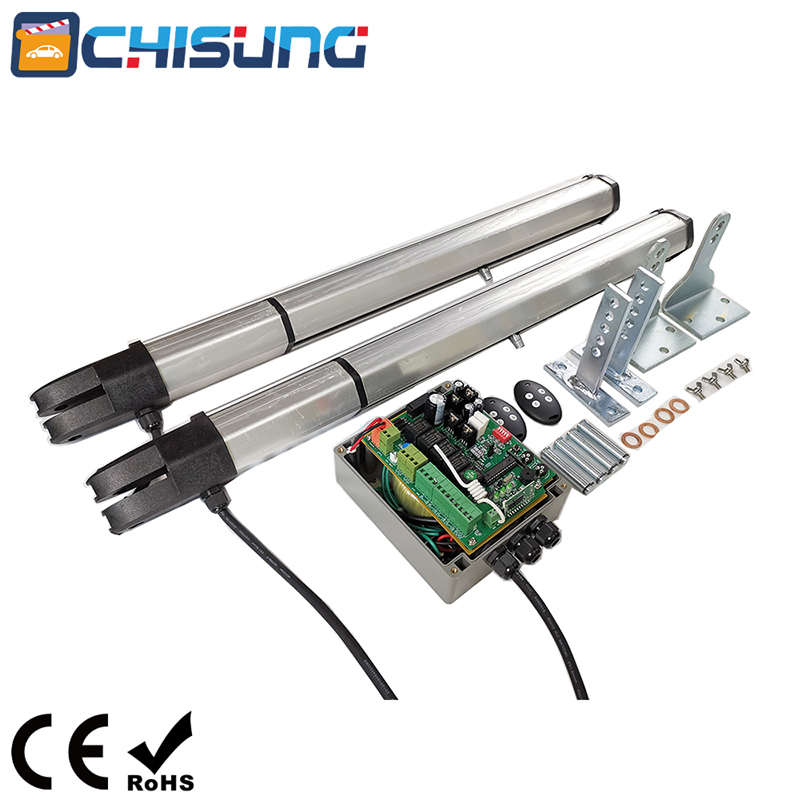
Knowing when to replace your gate opener is crucial for maintaining security, convenience, and reliability at your property entrance. A gate opener that has exceeded its functional lifespan can compromise access control, create safety hazards, and leave your property vulnerable. This guide helps you identify the right timing to replace your gate opener and understand the factors that signal replacement is necessary.
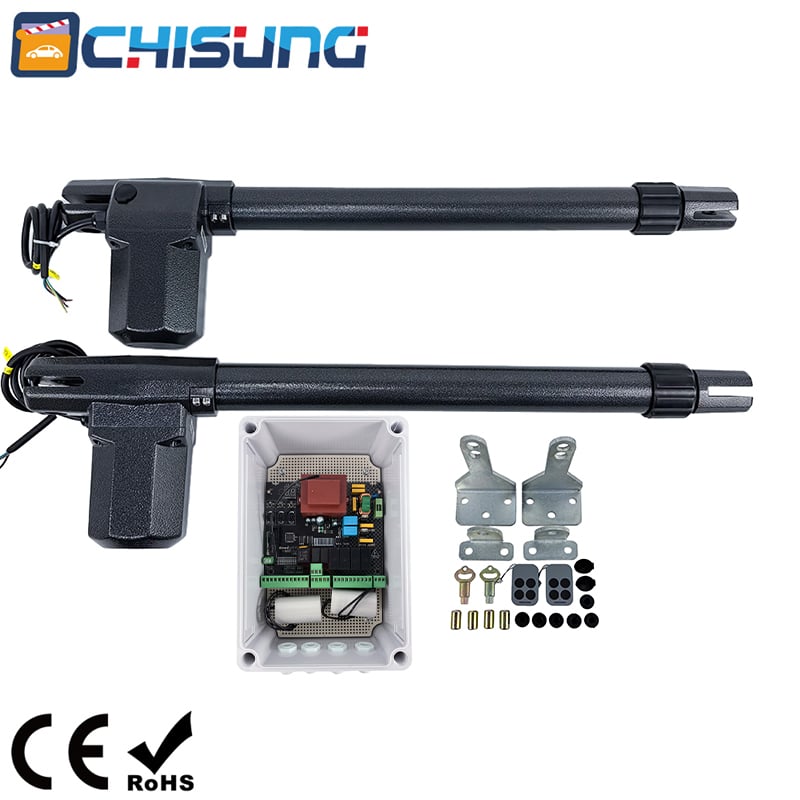
Your gate opener represents a significant investment in property security and accessibility. Understanding the lifecycle of your gate opener ensures you make informed decisions about maintenance versus replacement. Recognizing warning signs early helps prevent unexpected breakdowns that could disrupt daily operations or compromise security protocols.
Age and Lifespan Indicators
Typical Lifespan of a Gate Opener
Most quality gate opener systems are designed to function reliably for ten to fifteen years with proper maintenance. The actual lifespan of your gate opener depends on usage frequency, environmental conditions, and maintenance practices. A residential gate opener in a mild climate may last longer than one in a harsh environment or used frequently for commercial purposes.
When your gate opener reaches the ten-year mark, you should consider evaluating its performance closely. Even if your gate opener still operates, components within the system may begin to deteriorate. Manufacturers typically discontinue parts support for gate opener models after ten to fifteen years, making repairs increasingly difficult and expensive.
Age-Related Performance Decline
As your gate opener ages, mechanical wear accumulates in the motor, gears, and transmission systems. An aging gate opener may exhibit slower response times or require multiple command attempts before operating. The motor in your gate opener may produce unusual noises or vibrations as internal components wear down, signaling that replacement is becoming more urgent.
Older gate opener technology also lacks modern safety features and smart functionality. Upgrading to a newer gate opener provides enhanced security protocols, remote monitoring capabilities, and integration with modern access control systems. This transition from an aging gate opener to current technology represents both a safety upgrade and a convenience improvement.
Performance Problems and Operational Issues
Frequent Breakdowns and Repair Costs
When repairs to your gate opener occur more than once or twice annually, replacement often becomes more economical than ongoing maintenance. Calculate the cumulative cost of repairs over time; if annual repair expenses exceed thirty to forty percent of a new gate opener's cost, replacement is typically justified. A reliable gate opener should operate smoothly for extended periods without requiring professional service.
Parts availability directly impacts the decision to replace your gate opener. If your gate opener model is no longer manufactured, obtaining replacement components may require special ordering or substitution with incompatible parts. When your gate opener requires increasingly rare components, investing in a new system prevents future service disruptions and provides better long-term cost predictability.
Inconsistent Operation and Safety Concerns
A gate opener that opens partially, closes inconsistently, or fails to respond reliably to commands presents safety and security risks. If your gate opener occasionally sticks or requires manual intervention, underlying mechanical problems likely require replacement rather than simple repair. Unpredictable operation of your gate opener endangers vehicles, pedestrians, and property security.
Modern safety sensors and automatic reversal mechanisms in current gate opener systems prevent accidents and injuries. When your gate opener lacks these safety features or they have become ineffective, upgrading to a new gate opener significantly improves operational safety. An unreliable gate opener that hesitates or shows intermittent faults warrants immediate replacement consideration.
Environmental Damage and Component Degradation
Corrosion and Weather-Related Wear
Environmental factors significantly accelerate the degradation timeline for your gate opener. Salt air in coastal regions, excessive moisture in humid climates, and temperature extremes all contribute to corrosion and material breakdown. If your gate opener shows visible rust, corrosion on circuit boards, or discoloration of metal components, environmental damage has already compromised system integrity.
Protective coatings and seals on your gate opener gradually fail over time, leaving internal mechanisms exposed to moisture and contaminants. A gate opener that has been exposed to years of weather without protective housing or weatherproofing exhibits accelerated deterioration. When environmental damage extends to the motor, power supply, or control circuits of your gate opener, replacement becomes the most practical solution.
Motor and Mechanical Component Failure
The motor is the heart of any gate opener system. When the motor in your gate opener produces grinding noises, generates excessive heat, or fails to operate smoothly, motor burnout may be imminent. A failing motor in your gate opener cannot be reliably repaired and typically necessitates complete replacement of the system.
Gear systems within your gate opener also degrade with extended use and exposure. Worn gears create slipping, grinding sensations, and reduce the ability of your gate opener to operate gates reliably. Once the gear mechanism in your gate opener becomes compromised, repair costs approach or exceed the price of purchasing a new gate opener system with modern reliability features.
FAQ
How do I know if my gate opener is failing?
Signs that your gate opener is failing include slow operation, frequent unresponsiveness to commands, unusual noises or vibrations, visible rust or corrosion, inconsistent opening and closing patterns, and the need for multiple attempts to operate the gate. If your gate opener requires manual intervention or produces grinding sounds, professional evaluation should occur immediately. Any combination of these symptoms suggests your gate opener is approaching end-of-life and replacement should be planned soon.
Is it better to repair or replace an old gate opener?
Replacement becomes more economical than repair when your gate opener is older than ten years, repair costs exceed thirty to forty percent of a new system's price, or replacement parts are no longer available. If your gate opener is relatively new and the problem is isolated to one component, repair may be justified. However, when your gate opener exhibits multiple issues or parts are obsolete, replacement provides better long-term value and reliability than attempting repairs on an aging system.
What are the benefits of replacing an old gate opener?
Upgrading to a new gate opener provides improved safety features, modern smart access capabilities, integration with mobile control systems, enhanced security protocols, and greater operational reliability. A current gate opener eliminates the uncertainty and expense of maintaining aging equipment while providing better performance and security. Modern gate opener systems also offer better weather resistance and longer component availability for future maintenance.