
 EN
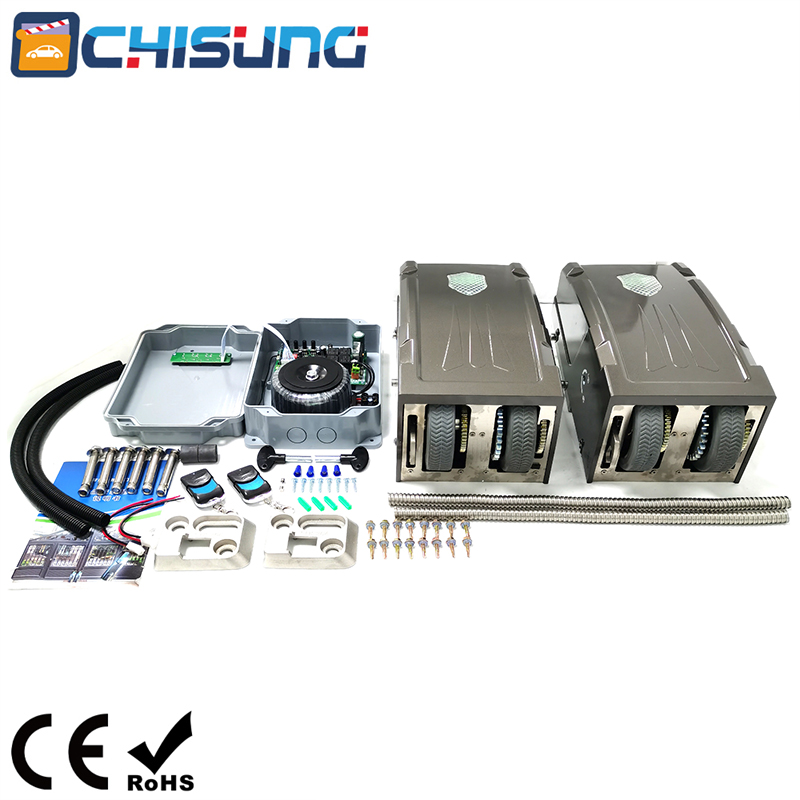
Selecting the appropriate gate opener size is one of the most critical decisions you will make when automating your property access. Whether you are protecting a residential villa, managing a commercial facility, or securing an industrial site, choosing the wrong gate opener size can result in inadequate performance, premature wear, costly repairs, and security vulnerabilities. The size of a gate opener refers not only to its physical dimensions but also to its motor power, torque capacity, and operational specifications designed to handle the specific demands of your gate system. Understanding how to evaluate and select the correct gate opener size ensures reliable operation, extended equipment lifespan, and consistent security performance for years to come.
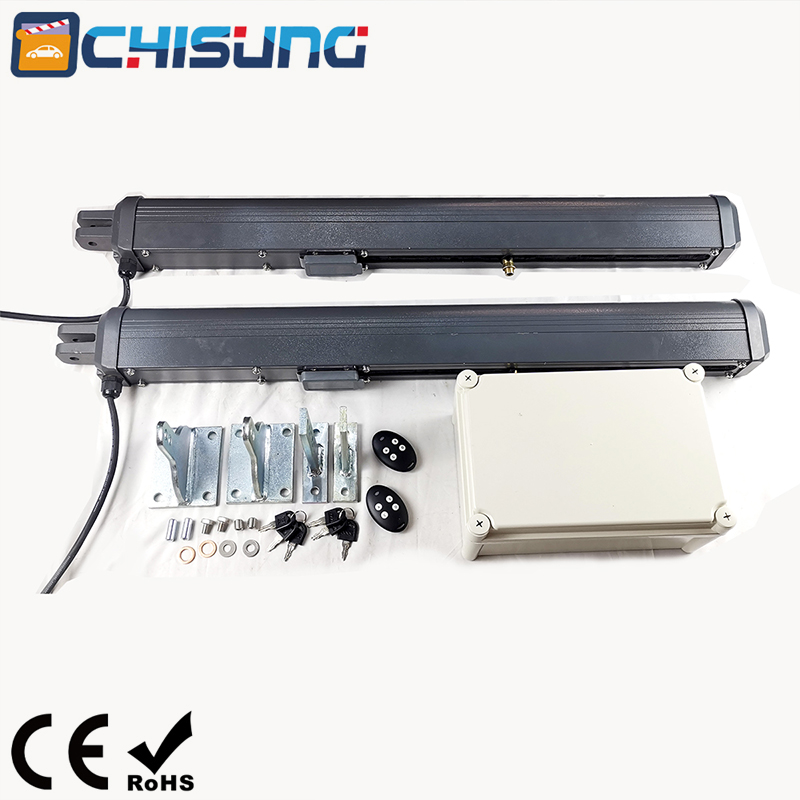
The process of choosing the right gate opener size involves assessing multiple technical and operational factors unique to your installation environment. Your gate opener must possess sufficient motor power to move the gate smoothly and reliably under all weather conditions, load scenarios, and frequency demands. Undersizing a gate opener leads to sluggish operation, motor strain, and potential failure during peak usage periods. Conversely, oversizing wastes energy, increases costs unnecessarily, and may introduce operational instability. This guide walks you through the essential criteria for evaluating gate opener size requirements, helping you make an informed decision that balances performance, durability, efficiency, and budget considerations.
Evaluating Gate Weight and Material Composition
Understanding Total Gate Mass Requirements
The weight of your gate is the primary determinant when sizing a gate opener. A heavier gate requires a more powerful gate opener with greater torque output to initiate movement, overcome static friction, and maintain smooth acceleration. Metal gates, including steel and aluminum variants, typically range from 200 to 800 pounds depending on design, height, and material thickness. Wooden gates often weigh between 300 and 900 pounds due to their solid construction. The gate opener you select must have a motor rated to handle your specific gate weight comfortably, with sufficient reserve capacity to account for ice accumulation, wind resistance, and wear over time. Manufacturers provide weight specifications and horsepower ratings for their products. Cross-reference your gate weight against these specifications to ensure the gate opener size matches your installation requirements and delivers dependable performance under real-world conditions.
Material Considerations for Gate Opener Sizing
The material composition of your gate affects not only its weight but also the operational characteristics your gate opener must accommodate. Steel gates provide durability and security but demand robust motor capacity due to their mass and resistance to movement. Aluminum gates weigh less than steel, potentially allowing use of a smaller, more economical gate opener while maintaining performance standards. Composite or hybrid gates may present unique challenges requiring careful gate opener sizing based on actual measured weight and center-of-gravity characteristics. Material expansion and contraction due to temperature fluctuations can slightly increase friction loads on the gate opener motor. When selecting a gate opener, account for these material-specific factors to ensure the device operates efficiently across seasonal variations and maintains smooth, reliable operation throughout the year.
Assessing Gate Frequency and Duty Cycle Requirements
Understanding Operational Intensity and Motor Duty Cycles
The frequency with which your gate opens and closes directly influences the appropriate gate opener size for your application. Residential gates typically cycle 10 to 30 times daily, suitable for standard-duty gate opener motors designed for moderate use. Commercial properties or facilities with high traffic volume may require 100 to 500 cycles daily, necessitating a larger, heavy-duty gate opener rated for continuous operation. Industrial applications, parking facilities, and security checkpoints may demand specialized gate opener equipment engineered for extreme frequency and sustained performance. Each gate opener model carries a duty cycle rating specifying maximum daily operations and cumulative run-time specifications. Selecting a gate opener with insufficient duty cycle capacity for your intended use will accelerate motor degradation, increase maintenance costs, and compromise reliability. Assess your current and anticipated future access patterns to choose a gate opener sized appropriately for your actual operational demands.
Motor Thermal Management and Cooling Capacity
High-frequency gate operation generates continuous motor heat, requiring adequate cooling capacity within your gate opener's thermal management system. A properly sized gate opener incorporates ventilation, thermal protection, and motor construction designed to dissipate heat and prevent overheating during extended use. An undersized gate opener subjected to frequent cycling will experience elevated internal temperatures, potentially triggering thermal shutdowns and limiting availability during peak demand periods. Larger, more powerful gate opener units typically offer superior heat dissipation, allowing sustained high-frequency operation without performance degradation. When choosing a gate opener for commercial or industrial applications with demanding duty cycles, prioritize models with robust cooling systems, thermal sensors, and automatic overload protection. This ensures your gate opener maintains consistent performance and protection against heat-related failures regardless of operational intensity.
Considering Power Supply Options and Environmental Factors
AC Motor Gate Opener Power Requirements and Installation
Many gate opener installations utilize AC motors powered by standard electrical service, making power availability and circuit capacity important sizing considerations. AC gate opener systems typically range from 110 volts for smaller residential models to 220 volts or higher for commercial and industrial gate opener installations. Verify that your property electrical system can accommodate the amperage requirements of your selected gate opener without requiring expensive electrical infrastructure upgrades. Dedicated circuits and appropriate circuit breaker sizing ensure safe, reliable operation and protect your gate opener from power fluctuations. AC-powered gate opener units offer consistent torque, proven reliability, and compatibility with standard electrical systems. When evaluating gate opener sizing based on power availability, consult with a licensed electrician to confirm your installation environment can support the electrical demands of your preferred gate opener model before purchase and installation.
Environmental Exposure and Weather Resistance Specifications
Geographic location and environmental conditions significantly influence gate opener sizing and component selection. Coastal regions with salt air exposure, areas experiencing extreme temperature variations, and locations with heavy precipitation require gate opener models engineered with enhanced corrosion resistance and weather protection. Environmental stress accelerates wear on gate opener motors and mechanical components, effectively reducing the service life of undersized equipment. A properly sized gate opener for harsh environments incorporates stainless steel components, sealed bearing assemblies, and protective housing to ensure longevity despite challenging conditions. Cold climates present additional sizing challenges because freezing temperatures increase gate friction and motor load requirements. Choose a gate opener with adequate power reserve to operate reliably during winter months when environmental resistance is highest. Environmental assessment during the gate opener sizing process prevents premature failure, extends equipment lifespan, and ensures your gate system remains operational year-round.
FAQ
What is the typical horsepower range for residential gate opener systems?
Residential gate opener systems typically require between 0.5 and 1.5 horsepower, depending on gate weight, material composition, and mounting configuration. A 0.5 to 0.75 horsepower gate opener suits lightweight aluminum or vinyl gates under 300 pounds with moderate daily cycling. Standard residential steel swing gates weighing 400 to 600 pounds generally require 1.0 to 1.25 horsepower gate opener motors for smooth, dependable operation. Heavier residential gates or those in challenging environments may necessitate 1.5 horsepower gate opener systems. Always consult manufacturer specifications for your gate opener and match the model recommendations to your specific gate weight and operational requirements.
How do I calculate the required torque for my gate opener?
Torque requirements for your gate opener depend on gate weight, swing distance, and hinge configuration. Multiply your gate weight in pounds by the distance in feet from the hinge pivot point to the gate's center of gravity, then adjust for your specific hinge angle and mechanical advantage. Swing gates typically require higher torque than sliding gates due to angular momentum and gravitational effects. Most gate opener manufacturers provide torque specifications for their models along with weight capacity charts. Measure your gate weight accurately, identify the distance from pivot to gate center, and cross-reference these values against your gate opener's torque ratings to ensure adequate sizing. Professional gate installation technicians can perform precise torque calculations if you prefer expert verification before selecting your gate opener.
Can I upgrade to a larger gate opener if my current one is undersized?
Yes, upgrading to a larger, more powerful gate opener is feasible in most installations and often recommended when original equipment proves inadequate for your operational needs. A larger gate opener with greater horsepower and torque capacity will provide smoother acceleration, faster cycle times, and improved reliability compared to an undersized gate opener. Verify that your existing electrical service and mounting infrastructure can accommodate the physical dimensions and power requirements of the larger gate opener before upgrading. In many cases, a larger gate opener maintains compatibility with existing gate hinges, control systems, and installation brackets, simplifying the upgrade process. Consult with a qualified gate installation professional to assess your current setup and confirm that upgrading your gate opener will resolve performance issues while ensuring proper integration with your existing security and access control systems.