
 EN
EN
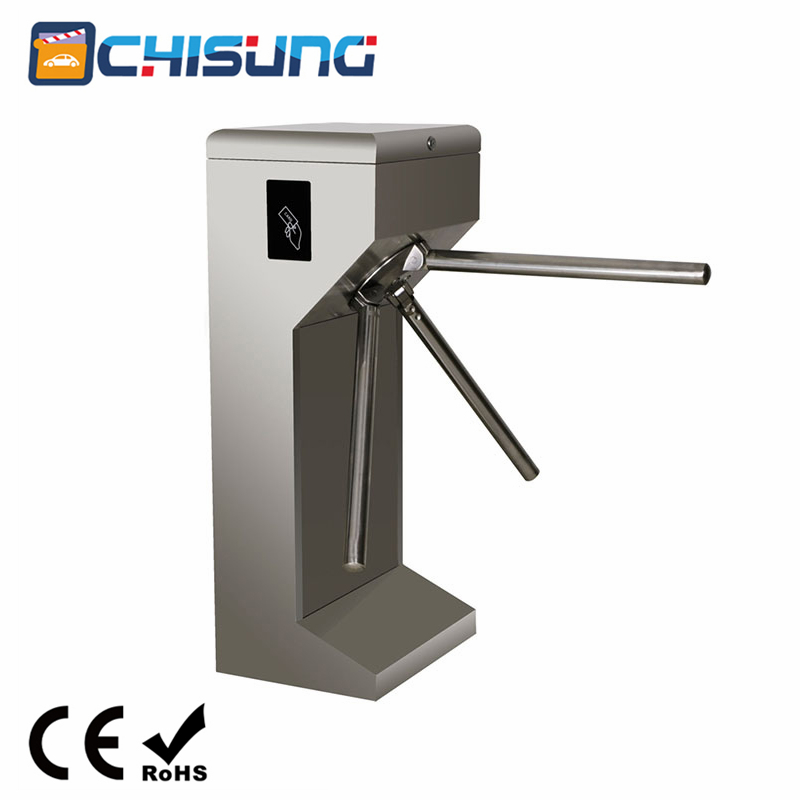
Outdoor security installations present unique challenges that require specialized equipment designed to withstand environmental extremes while maintaining reliable operation. A tripod turnstile represents an ideal solution for outdoor access control applications, combining robust mechanical design with weather-resistant features that ensure consistent performance across diverse environmental conditions. These sophisticated access control devices have evolved significantly to meet the demanding requirements of outdoor installations, from public transportation hubs to industrial facilities and recreational venues.
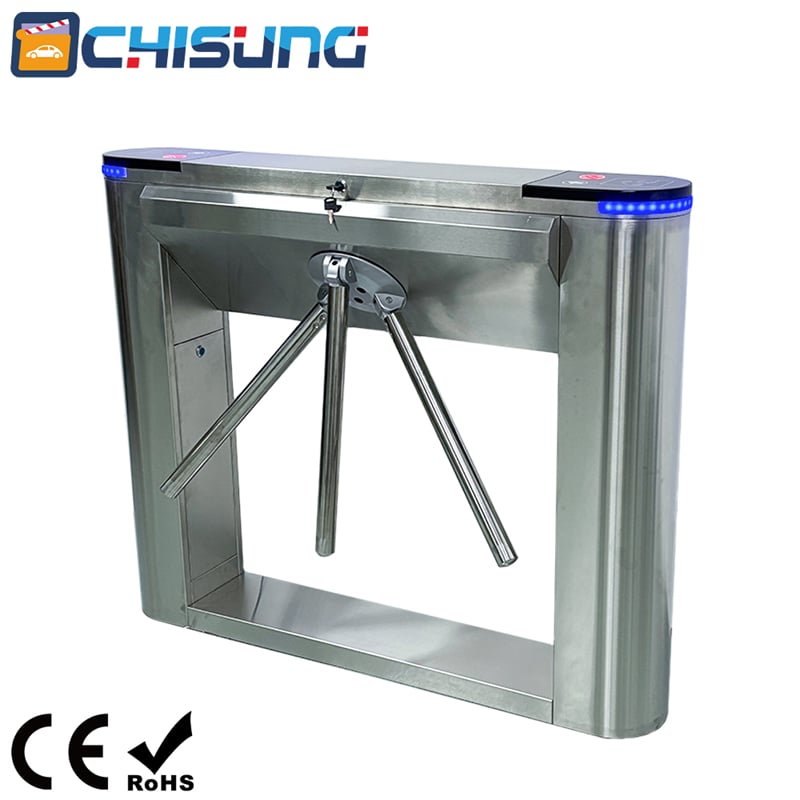
The fundamental design philosophy behind outdoor-ready tripod turnstile systems centers on durability and environmental resilience. Modern outdoor tripod turnstile units incorporate advanced materials science and engineering principles to create barriers that can operate effectively in temperature ranges from subzero conditions to extreme heat, while resisting moisture, UV radiation, and corrosive atmospheric elements that would compromise standard indoor equipment.
Weather Resistance and Environmental Protection
Corrosion-Resistant Materials and Coatings
The construction materials used in outdoor tripod turnstile systems represent the first line of defense against environmental degradation. Premium stainless steel grades, typically 316L or higher, provide exceptional resistance to chloride-induced corrosion, making them suitable for coastal installations where salt spray presents ongoing challenges. The surface treatments applied to tripod turnstile components include specialized powder coatings and anodization processes that create barrier layers protecting the underlying metal from oxidation and chemical attack.
Advanced coating technologies employed in outdoor tripod turnstile manufacturing utilize multi-layer application processes that combine primer, barrier, and topcoat systems. These sophisticated finishing systems not only provide corrosion resistance but also maintain aesthetic appeal throughout extended service periods. The coating formulations include UV stabilizers that prevent color fading and chalking, ensuring that the tripod turnstile maintains its professional appearance even after years of sun exposure.
Sealed Electronic Enclosures and Weatherproofing
Electronic components within outdoor tripod turnstile systems require comprehensive protection from moisture ingress, dust accumulation, and temperature fluctuations. Professional-grade enclosures meeting IP65 or higher ratings ensure that control circuits, sensor systems, and communication interfaces remain operational despite exposure to rain, snow, and humidity variations. These enclosures incorporate gasket sealing systems, drainage provisions, and ventilation strategies that maintain internal environmental conditions within acceptable parameters.
The weatherproofing approach for outdoor tripod turnstile installations extends beyond simple sealing to include active environmental management. Integrated heating elements prevent condensation buildup during cold weather conditions, while thermal management systems protect sensitive electronics from overheating during peak summer temperatures. These sophisticated climate control features ensure that the tripod turnstile maintains consistent operational performance regardless of external weather conditions.
Mechanical Durability and Structural Integrity
Reinforced Frame Construction and Foundation Requirements
The structural foundation of an outdoor tripod turnstile must accommodate both normal operational loads and extreme environmental forces including wind loading, thermal expansion, and seismic activity. The frame construction typically incorporates heavier gauge materials and additional bracing compared to indoor models, with foundation anchor systems designed to transfer loads effectively into the supporting structure or ground-mounted concrete pads.
Engineering calculations for outdoor tripod turnstile installations consider wind load coefficients specific to the geographic location and site exposure conditions. The mechanical design incorporates safety factors that account for dynamic loading scenarios, ensuring that the structure maintains stability and operational integrity even during severe weather events. Foundation specifications typically require concrete pads with appropriate depth and reinforcement to prevent frost heave in cold climates and provide adequate bearing capacity in various soil conditions.
Modern outdoor tripod turnstile designs incorporate modular construction principles that facilitate maintenance and component replacement while maintaining structural integrity. The modular approach allows for field servicing of wear components without compromising the overall system stability, reducing long-term maintenance costs and minimizing downtime during service intervals.
Enhanced Bearing Systems and Mechanism Protection
The rotating mechanism of an outdoor tripod turnstile operates in challenging conditions where contamination from dust, moisture, and debris can accelerate wear and reduce operational reliability. Advanced bearing systems utilize sealed configurations with specialized lubricants formulated to maintain performance across extended temperature ranges while resisting washout from precipitation and humidity exposure.
Mechanism protection strategies for outdoor tripod turnstile applications include debris shields, automatic cleaning cycles, and remote monitoring capabilities that detect performance degradation before failure occurs. The bearing assemblies incorporate corrosion-resistant materials such as ceramic elements or specialized alloys that maintain dimensional stability and smooth operation despite exposure to environmental contaminants that would compromise standard bearing systems.
Power Management and Electrical Systems
Surge Protection and Power Quality Management
Outdoor electrical installations face increased risk from lightning strikes, power grid fluctuations, and electromagnetic interference that can damage sensitive control electronics. Professional tripod turnstile installations incorporate comprehensive surge protection devices, isolation transformers, and power conditioning equipment that protect internal systems from voltage transients and power quality disturbances common in outdoor electrical environments.
The power management system for outdoor tripod turnstile installations typically includes backup power provisions such as uninterruptible power supplies or battery backup systems that maintain operation during utility outages. These backup systems ensure continuous access control functionality during emergency situations while providing graceful shutdown capabilities that protect data integrity and system settings during extended power interruptions.
Cable Management and Connection Protection
The cable routing and connection systems for outdoor tripod turnstile installations require specialized approaches to prevent moisture ingress, UV degradation, and mechanical damage from environmental exposure. Underground cable runs utilize conduit systems with proper drainage and expansion joints, while above-ground installations incorporate weather-resistant cable management systems that accommodate thermal expansion and contraction cycles.
Connection points between tripod turnstile components and external systems incorporate weatherproof junction boxes, sealed cable glands, and corrosion-resistant hardware that maintain electrical integrity throughout extended service periods. The connection design philosophy emphasizes serviceability while providing comprehensive environmental protection, ensuring that maintenance personnel can access connection points safely without compromising system weatherproofing.
Operational Performance in Challenging Conditions
Temperature Compensation and Thermal Management
Temperature variations present significant challenges for outdoor tripod turnstile operations, affecting both mechanical clearances and electronic component performance. Advanced temperature compensation systems monitor ambient conditions and adjust operational parameters to maintain consistent performance across the specified temperature range, typically spanning from negative forty to positive seventy degrees Celsius.
Thermal management strategies for outdoor tripod turnstile systems include active heating elements for cold weather operation and ventilation systems for heat dissipation during high-temperature conditions. These thermal control systems operate automatically based on temperature sensor feedback, ensuring that critical components remain within acceptable operating parameters regardless of external environmental conditions.
Adaptive Control Systems and Environmental Response
Modern outdoor tripod turnstile systems incorporate intelligent control algorithms that adapt operational parameters based on environmental conditions and usage patterns. These adaptive systems can modify rotation speed, force limits, and timing parameters to accommodate changing conditions while maintaining security effectiveness and user safety throughout the operational envelope.
Environmental response capabilities include automatic adjustment of sensor sensitivity to compensate for lighting variations, precipitation effects, and temperature-induced changes in component characteristics. The tripod turnstile control system continuously monitors performance parameters and implements compensation strategies that ensure consistent access control functionality despite challenging environmental conditions.
Maintenance Considerations and Service Access
Preventive Maintenance Requirements
Outdoor tripod turnstile installations require more intensive maintenance schedules compared to indoor applications due to increased exposure to environmental contaminants and weather-related wear factors. Preventive maintenance programs typically include regular cleaning cycles, lubrication intervals, seal inspections, and component replacement schedules designed to prevent premature failure and maintain optimal performance throughout the equipment service life.
The maintenance requirements for outdoor tripod turnstile systems emphasize proactive component monitoring and replacement strategies that prevent weather-related degradation from compromising operational reliability. Maintenance personnel must be trained in weatherproofing restoration procedures, environmental seal replacement, and corrosion prevention techniques specific to outdoor access control applications.
Remote Monitoring and Diagnostic Capabilities
Advanced outdoor tripod turnstile systems incorporate comprehensive remote monitoring capabilities that enable facility managers to track performance parameters, environmental conditions, and maintenance requirements from central control locations. These monitoring systems provide early warning of potential issues and enable predictive maintenance strategies that minimize unplanned downtime and service disruptions.
Diagnostic capabilities include component health monitoring, environmental data logging, and performance trend analysis that support informed maintenance decisions and optimize service scheduling. The remote monitoring infrastructure utilizes secure communication protocols and redundant data pathways to ensure reliable information transfer even during adverse weather conditions that might affect communication systems.
Installation and Integration Considerations
Site Preparation and Environmental Assessment
Successful outdoor tripod turnstile installations begin with comprehensive site assessments that evaluate environmental conditions, drainage patterns, soil characteristics, and exposure factors that influence system design and installation requirements. The site preparation process must address foundation requirements, utility routing, and environmental protection measures specific to the local climate and geographic conditions.
Environmental assessment protocols for tripod turnstile installations include evaluation of prevailing wind patterns, precipitation patterns, temperature extremes, and corrosive atmospheric conditions that influence material selection and protection requirements. These assessments inform design decisions regarding foundation depth, anchor specifications, and environmental protection strategies tailored to the specific installation site.
Integration with Building Management and Security Systems
Outdoor tripod turnstile installations typically require integration with broader building management and security systems that coordinate access control, surveillance, and emergency response capabilities. The integration architecture must accommodate communication requirements while maintaining environmental protection for interface components and connection systems exposed to outdoor conditions.
System integration considerations include network security protocols, data encryption requirements, and communication redundancy strategies that ensure reliable information exchange between the tripod turnstile and central management systems. The integration design must balance functional requirements with environmental protection needs, ensuring that communication interfaces remain operational despite exposure to outdoor environmental conditions.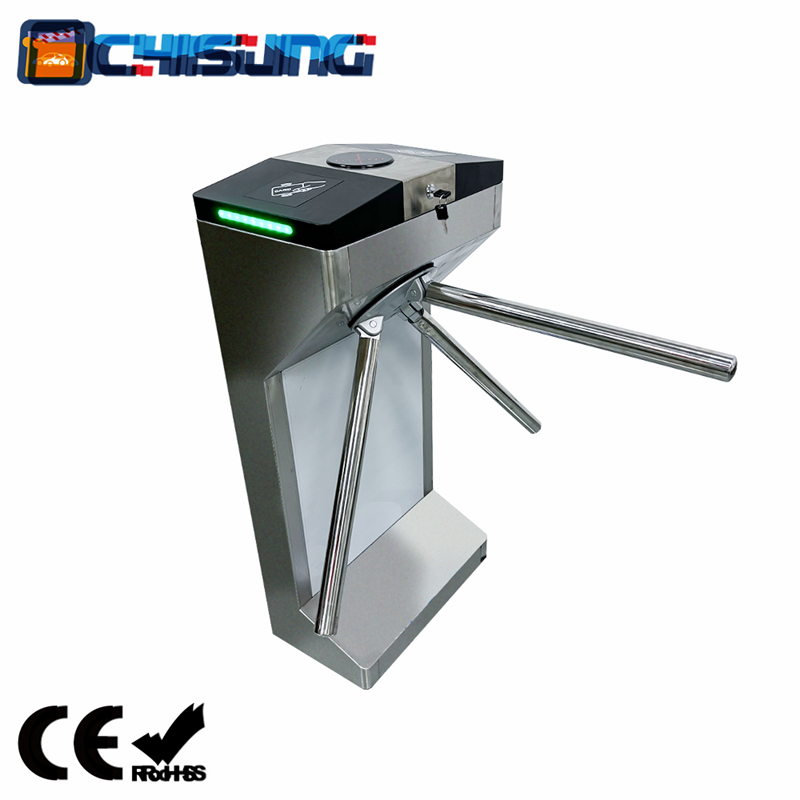
FAQ
How long can an outdoor tripod turnstile operate without maintenance
The maintenance interval for outdoor tripod turnstile systems typically ranges from three to six months depending on environmental conditions and usage patterns. High-traffic installations in harsh environments may require monthly inspections, while systems in moderate climates with lower usage can operate reliably with quarterly maintenance cycles. The key factors affecting maintenance frequency include exposure to salt air, dust levels, temperature extremes, and precipitation patterns specific to the installation location.
What temperature range can outdoor tripod turnstiles handle effectively
Professional outdoor tripod turnstile systems are designed to operate reliably in temperature ranges from negative forty degrees Celsius to positive seventy degrees Celsius, with some specialized models extending these ranges further. The temperature compensation systems automatically adjust operational parameters to maintain consistent performance throughout this range, while thermal management features protect sensitive components from extreme temperature effects that could compromise reliability or safety.
Are outdoor tripod turnstiles suitable for coastal installations with salt exposure
Yes, properly specified outdoor tripod turnstile systems utilize marine-grade stainless steel construction and specialized coatings designed specifically for coastal environments with high salt exposure. The material selection includes 316L stainless steel or higher grades with enhanced corrosion resistance, while surface treatments provide additional protection against chloride-induced corrosion common in marine environments. Regular maintenance schedules for coastal installations include salt removal procedures and protective coating inspection protocols.
What backup power options are available for outdoor tripod turnstile installations
Outdoor tripod turnstile installations can incorporate various backup power solutions including uninterruptible power supplies, battery backup systems, and emergency generator integration depending on security requirements and site conditions. Standard backup systems provide four to eight hours of continuous operation during power outages, while extended backup configurations can maintain operation for days during emergency situations. Solar panel integration is also available for remote installations where utility power is unavailable or unreliable.
Table of Contents
- Weather Resistance and Environmental Protection
- Mechanical Durability and Structural Integrity
- Power Management and Electrical Systems
- Operational Performance in Challenging Conditions
- Maintenance Considerations and Service Access
- Installation and Integration Considerations
-
FAQ
- How long can an outdoor tripod turnstile operate without maintenance
- What temperature range can outdoor tripod turnstiles handle effectively
- Are outdoor tripod turnstiles suitable for coastal installations with salt exposure
- What backup power options are available for outdoor tripod turnstile installations