
 EN
EN
A turnstile gate represents one of the most fundamental access control solutions in modern security infrastructure, serving as a mechanical barrier that regulates pedestrian flow in countless facilities worldwide. These rotating or swinging mechanisms have evolved from simple mechanical devices into sophisticated electronic systems that integrate seamlessly with comprehensive security networks. Understanding the functionality and applications of a turnstile gate is essential for facility managers, security professionals, and business owners seeking to implement effective crowd control and access management solutions.
Understanding Turnstile Gate Mechanics and Operation
Basic Operating Principles
The fundamental operation of a turnstile gate relies on controlled rotation or swinging motion that permits passage for one person at a time. Traditional mechanical systems utilize spring-loaded mechanisms and gravity-assisted rotation, while modern electronic versions incorporate servo motors, sensors, and programmable logic controllers. The core mechanism ensures that each authorized entry corresponds to exactly one person passing through, preventing tailgating and unauthorized access attempts.
Electronic turnstile gate systems integrate multiple detection technologies including infrared sensors, weight sensors, and optical barriers to monitor passage events accurately. These sensors communicate with central control units that process authorization credentials and activate the rotation mechanism accordingly. The precision timing between credential verification and mechanical activation ensures smooth operation while maintaining security integrity throughout the access process.
Components and Construction Elements
A standard turnstile gate assembly consists of several critical components working in coordination to deliver reliable access control functionality. The rotating barrier arms or panels form the primary physical restriction mechanism, typically constructed from durable materials like stainless steel or reinforced aluminum. The central hub houses the drive mechanism, whether mechanical springs or electronic motors, along with the necessary bearings and rotation control systems.
Modern turnstile gate installations include sophisticated control panels featuring credential readers, status indicators, and communication interfaces. These systems support various authentication methods including magnetic stripe cards, proximity cards, biometric scanners, and mobile device credentials. The integration of these technologies enables seamless operation within broader facility management and security monitoring systems.
Types and Configurations of Turnstile Gates
Tripod Turnstile Systems
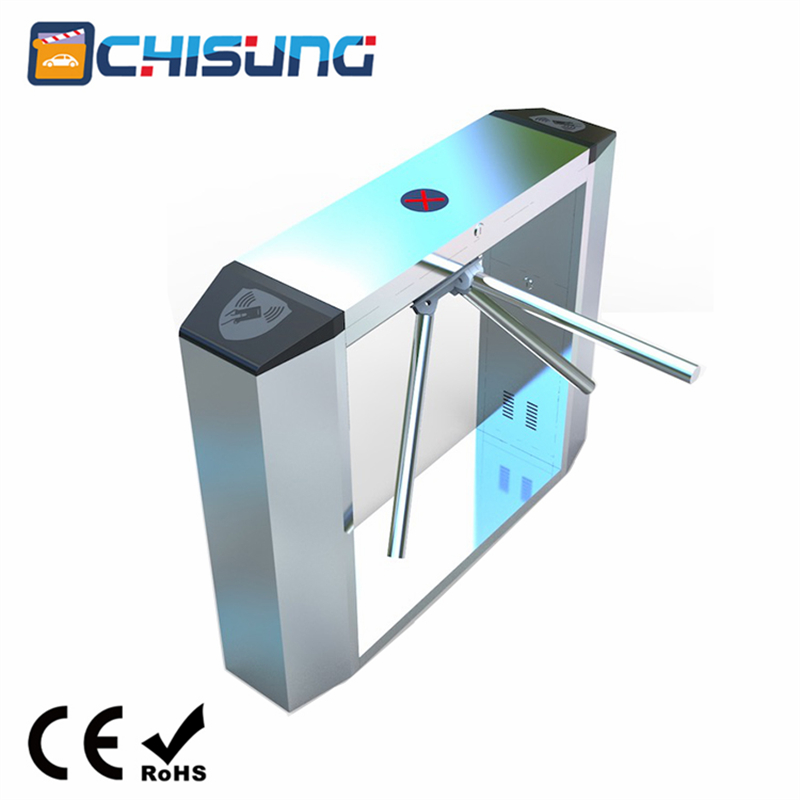
Tripod turnstile gate configurations represent the most common implementation in commercial and institutional environments due to their balance of security effectiveness and cost efficiency. These systems feature three rotating arms positioned at 120-degree intervals, creating a compact footprint while providing reliable single-person passage control. The mechanical simplicity of tripod designs contributes to reduced maintenance requirements and extended operational lifespan in high-traffic applications.
Installation flexibility makes tripod turnstile gate systems particularly attractive for retrofit projects and temporary access control needs. The relatively lightweight construction allows for surface mounting or minimal foundation requirements, while the standardized dimensions facilitate integration with existing architectural elements. These characteristics have established tripod configurations as the preferred solution for office buildings, educational facilities, and recreational venues.
Full-Height Security Turnstiles
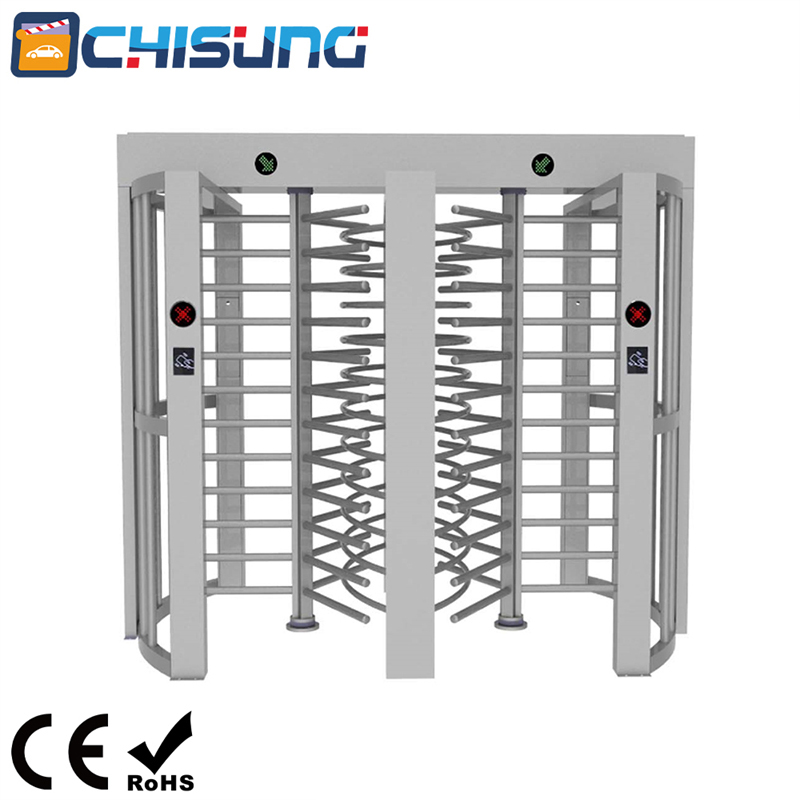
Full-height turnstile gate designs provide maximum security through complete physical barriers that extend from floor to ceiling, preventing climbing or jumping attempts. These robust systems typically feature four rotating panels or doors that create secure chambers during the passage process, ensuring positive identification and preventing unauthorized entry. The enclosed design makes full-height turnstiles ideal for high-security applications including data centers, government facilities, and industrial complexes.
The operational characteristics of full-height turnstile gate systems include anti-passback functionality, tailgate prevention, and the ability to maintain security even during power outages. Advanced models incorporate emergency egress features that allow rapid evacuation while maintaining security integrity during normal operations. The substantial construction and comprehensive security features justify the higher investment costs for applications requiring maximum access control effectiveness.
Installation and Integration Considerations
Site Preparation Requirements
Proper installation of a turnstile gate system begins with comprehensive site assessment and preparation to ensure optimal performance and longevity. Foundation requirements vary significantly between different turnstile configurations, with surface-mounted units requiring minimal preparation while full-height systems may need substantial concrete foundations. Electrical infrastructure planning must accommodate power requirements, communication cables, and integration with existing security systems.
Environmental factors significantly influence turnstile gate installation planning, particularly for outdoor applications where weather resistance and temperature variations affect operation. Site drainage, wind load considerations, and protection from direct sunlight or precipitation require careful evaluation during the design phase. Indoor installations must consider ceiling height, pedestrian flow patterns, and emergency egress requirements to ensure compliance with building codes and safety regulations.
System Integration Capabilities
Modern turnstile gate systems offer extensive integration capabilities with existing facility management and security infrastructure through standardized communication protocols and interfaces. Integration with access control panels enables centralized management of user credentials, time-based access restrictions, and real-time monitoring of passage events. These connections facilitate comprehensive security reporting and analytics that support operational decision-making and compliance documentation.
The networking capabilities of contemporary turnstile gate installations support remote monitoring and configuration management through web-based interfaces and mobile applications. Integration with fire safety systems ensures automatic unlocking during emergency conditions, while connection to building automation systems enables energy-efficient operation and predictive maintenance scheduling. These advanced features transform individual turnstile gate units into components of intelligent building management ecosystems.
Benefits and Applications
Security Enhancement Features
The primary security benefit of turnstile gate implementation lies in the positive control of pedestrian access, ensuring that each entry event corresponds to valid authorization credentials. This one-to-one correspondence prevents common security vulnerabilities such as tailgating, credential sharing, and unauthorized access attempts. The physical barrier created by the turnstile mechanism provides time for security personnel to respond to access violations or suspicious activities.
Advanced turnstile gate systems incorporate multiple security layers including anti-passback logic, dual authentication requirements, and integration with surveillance systems for comprehensive monitoring. Biometric integration eliminates the risk of credential theft or sharing, while real-time reporting capabilities enable immediate response to security incidents. These features combine to create robust access control solutions that adapt to evolving security threats and compliance requirements.
Operational Efficiency Advantages
Implementation of turnstile gate systems significantly improves operational efficiency by automating access control processes and reducing the need for staffed security checkpoints. Automated credential verification and passage logging eliminate manual processes while providing accurate attendance tracking and facility utilization data. This automation enables security personnel to focus on higher-value activities while maintaining consistent access control standards.
The data collection capabilities of modern turnstile gate systems provide valuable insights into facility usage patterns, peak traffic periods, and user behavior trends. This information supports facility planning decisions, staff scheduling optimization, and space utilization improvements. Integration with other building systems enables coordinated responses to occupancy changes, energy management optimization, and emergency preparedness planning.
Maintenance and Troubleshooting
Preventive Maintenance Procedures
Regular maintenance of turnstile gate systems ensures reliable operation and extends equipment lifespan while minimizing unexpected failures and security vulnerabilities. Mechanical components require periodic lubrication, alignment verification, and wear assessment to maintain smooth operation and prevent binding or irregular rotation. Electronic systems benefit from regular sensor calibration, firmware updates, and communication system testing to ensure accurate detection and reporting capabilities.
Preventive maintenance schedules for turnstile gate installations should account for usage volume, environmental conditions, and manufacturer recommendations to optimize maintenance intervals and procedures. High-traffic installations may require more frequent mechanical adjustments and component replacement, while outdoor systems need additional attention to weather sealing and corrosion prevention. Documentation of maintenance activities supports warranty compliance and helps identify recurring issues that may require design modifications or component upgrades.
Common Issues and Solutions
Typical turnstile gate operational issues include mechanical binding, sensor misalignment, communication failures, and credential recognition problems that can disrupt normal access control functions. Mechanical problems often result from debris accumulation, component wear, or improper lubrication, while electronic issues may stem from power fluctuations, cable damage, or configuration errors. Systematic troubleshooting approaches help identify root causes and implement appropriate corrective actions.
Environmental factors frequently contribute to turnstile gate performance issues, particularly in outdoor installations where temperature variations, moisture, and debris can affect operation. Regular cleaning and inspection procedures help prevent many common problems, while proper environmental protection measures reduce the impact of adverse conditions. Training for facility personnel in basic troubleshooting procedures enables rapid response to minor issues and reduces downtime.
Future Trends and Technology Evolution
Smart Technology Integration
The evolution of turnstile gate technology continues toward increased intelligence and autonomous operation through integration with artificial intelligence, machine learning, and Internet of Things platforms. Smart turnstile systems analyze usage patterns, predict maintenance needs, and adapt operation parameters automatically to optimize performance and efficiency. These capabilities enable predictive maintenance scheduling, automated configuration adjustments, and proactive problem resolution.
Mobile device integration represents a significant trend in turnstile gate development, with smartphone-based credentials becoming increasingly common for access control applications. Near-field communication, Bluetooth, and other wireless technologies enable seamless credential presentation while supporting advanced features like temporary access, visitor management, and multi-factor authentication. These developments reduce the need for physical credential cards while improving user convenience and system flexibility.
Sustainability and Energy Efficiency
Modern turnstile gate designs increasingly emphasize energy efficiency and environmental sustainability through low-power electronics, renewable energy integration, and recyclable materials. Solar-powered systems enable installation in remote locations without electrical infrastructure, while energy harvesting technologies capture power from the rotation mechanism itself. These innovations reduce operational costs and environmental impact while maintaining security effectiveness.
The integration of turnstile gate systems with building automation platforms enables coordinated energy management that optimizes power consumption based on occupancy patterns and facility requirements. Intelligent standby modes, variable speed operation, and demand-responsive activation contribute to overall facility energy efficiency while maintaining security performance. These features align with green building initiatives and sustainability goals increasingly important in facility management decisions.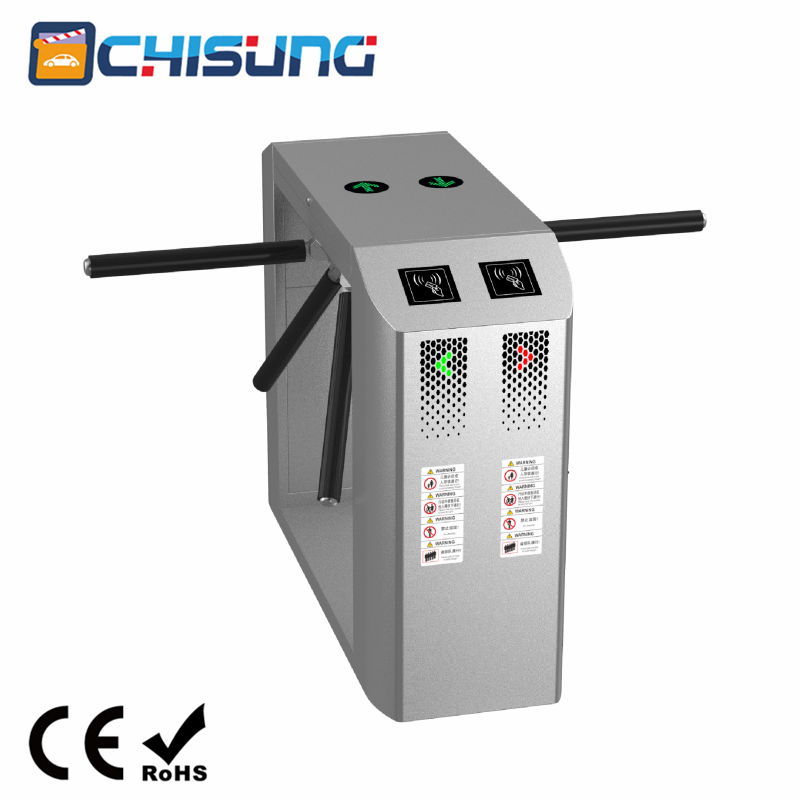
FAQ
How does a turnstile gate prevent unauthorized access
A turnstile gate prevents unauthorized access through its mechanical design that allows only one person to pass per authorization cycle, combined with electronic credential verification systems. The physical barrier rotates only after valid credentials are presented and verified, while sensors detect attempts to bypass or reverse the mechanism. Anti-passback features prevent the same credential from being used multiple times in succession, and tailgate detection ensures that only authorized individuals gain entry.
What maintenance is required for turnstile gate systems
Turnstile gate maintenance includes regular lubrication of moving parts, sensor cleaning and calibration, firmware updates, and mechanical alignment checks. Preventive maintenance schedules typically recommend monthly cleaning, quarterly mechanical inspections, and annual comprehensive service including component replacement as needed. Environmental factors and usage volume may require more frequent attention, particularly for outdoor installations or high-traffic applications.
Can turnstile gate systems integrate with existing security infrastructure
Modern turnstile gate systems offer extensive integration capabilities with existing security and building management infrastructure through standardized communication protocols such as TCP/IP, RS-485, and Wiegand interfaces. Integration supports centralized user management, real-time monitoring, emergency override systems, and comprehensive reporting capabilities. Most systems can connect to access control panels, surveillance systems, fire safety networks, and building automation platforms for coordinated facility management.
What are the power requirements for turnstile gate operation
Power requirements for turnstile gate systems vary depending on the configuration and features, with typical installations requiring 110-240V AC power for motor operation and 12-24V DC for electronic components. Battery backup systems ensure continued operation during power outages, while low-power designs minimize energy consumption during standby periods. Solar-powered options are available for remote installations, and some models incorporate energy harvesting technologies that capture power from the rotation mechanism.