
 EN
EN
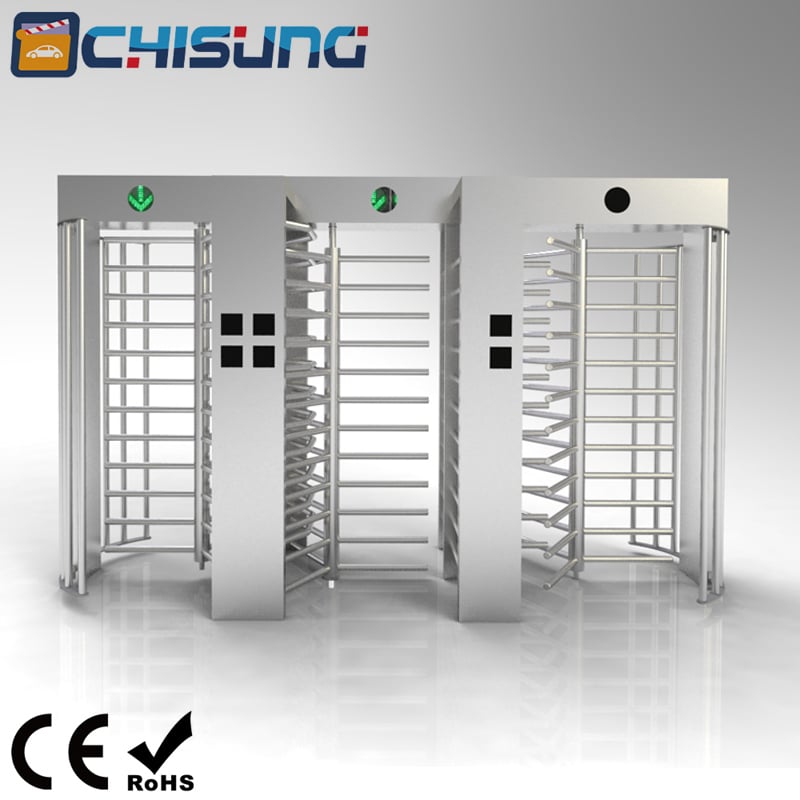
Understanding the cost of a full height turnstile installation is essential for facility managers and security directors planning access control upgrades. A full height turnstile represents a significant investment in physical security infrastructure, and the total cost extends far beyond the equipment price itself. The expenses associated with full height turnstile projects typically include hardware acquisition, professional installation labor, site preparation, integration with existing systems, and ongoing maintenance considerations. This comprehensive cost breakdown helps organizations make informed budgeting decisions and avoid unexpected expenses during the full height turnstile deployment process.
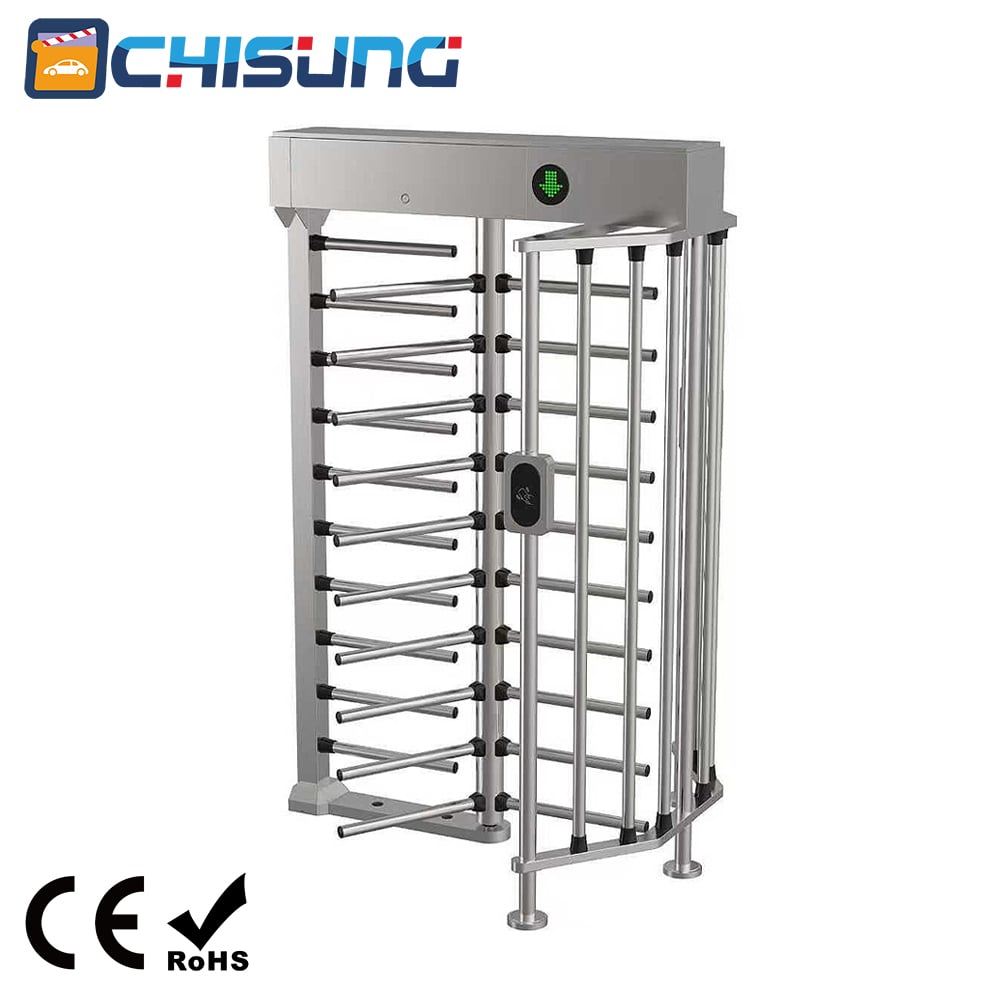
The financial scope of a full height turnstile installation varies significantly based on facility requirements, site conditions, and integration complexity. Organizations must evaluate not only the upfront capital cost but also long-term operational expenses, compatibility requirements with existing access systems, and the specific security needs driving the investment. Understanding these cost drivers enables better project planning and ensures budgets align with actual implementation requirements for your full height turnstile system.
Equipment and Hardware Costs for Full Height Turnstiles
Base Unit Pricing Structure
The hardware cost of a full height turnstile represents the primary expense category in any installation project. Standard full height turnstile units range significantly in price depending on construction materials, mechanical complexity, and integrated technology features. A basic full height turnstile with essential access control functionality typically starts at a mid-range price point, while premium models incorporating advanced biometric readers, traffic sensors, or network connectivity command higher acquisition costs. The material composition matters substantially; a full height turnstile constructed from stainless steel costs more than powder-coated steel but offers superior durability and corrosion resistance in demanding environments.
Feature-Based Pricing Variations
The specific capabilities integrated into your full height turnstile directly influence its cost structure. A full height turnstile with basic card reader integration costs less than models featuring multi-factor authentication or real-time occupancy reporting. Emergency manual bypass mechanisms, weatherproofing upgrades, and network-enabled monitoring systems all add to the base cost of a full height turnstile. Organizations must prioritize features based on security requirements, foot traffic volume, and operational needs to avoid paying for unnecessary capabilities while ensuring the full height turnstile meets minimum security standards.
Installation Labor and Professional Services
Site Assessment and Design Phase
Professional assessment of your installation location significantly impacts the total cost of a full height turnstile project. Engineers must evaluate structural capacity, electrical infrastructure availability, access control system compatibility, and traffic flow patterns before selecting the optimal full height turnstile configuration. This pre-installation phase often includes detailed measurements, load calculations, and integration planning with existing security systems. The comprehensive site evaluation prevents costly modifications during installation and ensures your full height turnstile functions optimally within the operational environment.
Installation and Integration Labor
Skilled technicians required for full height turnstile installation typically charge hourly rates or project-based fees depending on job complexity and local labor markets. Installation typically requires between one and three days of skilled labor, involving structural anchoring, electrical connections, access control integration, and comprehensive testing of your full height turnstile system. Complex environments with challenging structural conditions, multi-lane entrances, or sophisticated integration requirements necessitate extended installation periods and increased labor costs for the full height turnstile project. Organizations should budget for potential contingencies, as unexpected site conditions frequently extend installation timelines.
Site Preparation and Infrastructure Requirements
Structural and Electrical Modifications
Most full height turnstile installations require foundational preparation and infrastructure upgrades beyond the equipment itself. Concrete reinforcement, bollard installation, cable routing, and electrical circuit provision all contribute to total project costs for your full height turnstile system. If your facility lacks adequate electrical service near the intended installation location, upgrading power distribution becomes necessary before deploying the full height turnstile. Some environments require structural reinforcement to support the full height turnstile's weight and operational forces, particularly in buildings with aging infrastructure or specialized floor systems.
Access Control System Integration
Integrating a full height turnstile with existing access control infrastructure often requires network upgrades, database configuration, and software licensing. The complexity of your full height turnstile integration depends on whether your facility operates legacy systems or modern networked platforms. Cloud-based access control systems often simplify full height turnstile integration compared to older proprietary systems requiring custom programming. Budget appropriately for access control consultants and software engineers who configure the full height turnstile to synchronize with your organization's visitor management, employee roster, and security protocols.
Maintenance, Lifecycle, and Operational Costs
Preventive Maintenance Programs
Long-term ownership of a full height turnstile involves routine maintenance expenses that extend equipment lifespan and prevent unexpected failures. Quarterly inspections, mechanical adjustments, sensor calibration, and wear component replacement constitute the ongoing maintenance costs for your full height turnstile investment. Preventive maintenance programs for a full height turnstile typically cost between five and fifteen percent of the initial acquisition price annually, depending on usage intensity and environmental conditions. Organizations that neglect routine maintenance on their full height turnstile face expensive emergency repairs and potential security gaps during downtime periods.
Component Replacement and Upgrades
Motor mechanisms, optical sensors, electronic readers, and mechanical arms eventually require replacement during the full height turnstile's operational lifetime. Budget reserves for periodic component replacement ensure your full height turnstile continues functioning reliably without compromising security. Software updates and firmware upgrades for network-enabled full height turnstile models may incur subscription or licensing fees beyond physical maintenance. Capacity for scaling your full height turnstile system with additional units or enhanced features often involves upgrades to the access control platform and network infrastructure supporting multiple devices.
Budget Planning and Cost Estimation Framework
Total Cost of Ownership Calculation
Effective budget planning for a full height turnstile project requires analyzing total cost of ownership across the equipment lifecycle, typically projected over five to ten years. Equipment costs represent approximately forty to fifty percent of total expenses for a full height turnstile installation, while labor and integration services account for thirty to forty percent. Maintenance, repairs, and operational costs comprise the remaining ten to twenty percent of the full height turnstile's lifecycle expenses. This framework helps organizations allocate budgets comprehensively and avoid underfunding critical project phases for their full height turnstile deployment.
Comparative Cost Analysis Across Solutions
Organizations often compare a full height turnstile against alternative access control solutions to validate investment rationale and identify cost-effective options. A full height turnstile provides superior security performance compared to simpler solutions, justifying premium costs in high-security environments. The durability and tamper-resistance characteristics of a full height turnstile deliver better value over extended periods compared to lower-cost alternatives requiring frequent replacement. Request detailed quotations from multiple vendors for your full height turnstile project, ensuring comparable specifications and service inclusions to make informed financial decisions.
FAQ
What factors most significantly affect full height turnstile installation costs?
The primary cost drivers for a full height turnstile installation include hardware specifications, site structural conditions, access control integration complexity, and labor availability in your region. A full height turnstile in a straightforward installation environment with compatible existing systems costs substantially less than complex deployments requiring infrastructure modifications. Material selection, feature integration, and customization requirements also significantly impact the total cost of your full height turnstile project.
Can organizations reduce full height turnstile installation expenses?
Strategic cost management for a full height turnstile project involves prioritizing essential features, planning installation during maintenance windows, and consolidating multiple projects to achieve labor efficiency. Selecting a full height turnstile with proven reliability reduces long-term maintenance expenses compared to budget alternatives. Thorough pre-installation planning minimizes unexpected complications that extend timelines and increase costs for your full height turnstile deployment.
How do organizations budget for full height turnstile maintenance costs?
Annual maintenance costs for a full height turnstile typically equal five to fifteen percent of the initial equipment investment, depending on usage intensity and environmental factors. Establishing preventive maintenance contracts with qualified service providers stabilizes long-term costs and ensures consistent performance of your full height turnstile system. Regular inspections identify wear components early, preventing expensive emergency repairs that disrupt facility security and operational efficiency.