
 EN
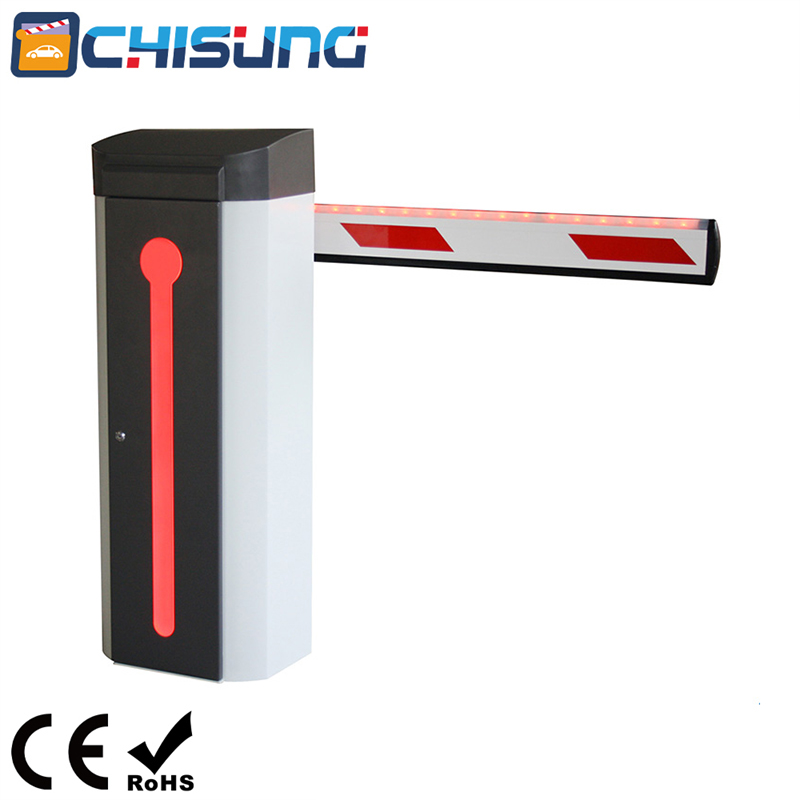
A barrier gate is an automated or manually operated access control device designed to regulate vehicle and pedestrian entry into restricted areas such as parking facilities, toll roads, residential compounds, and secured premises. The barrier gate represents a critical infrastructure component that combines mechanical, electrical, and often digital control systems to ensure efficient traffic flow while maintaining security and preventing unauthorized access. Understanding what a barrier gate is and how it functions is essential for facility managers, property developers, and organizations seeking to implement effective access management solutions.
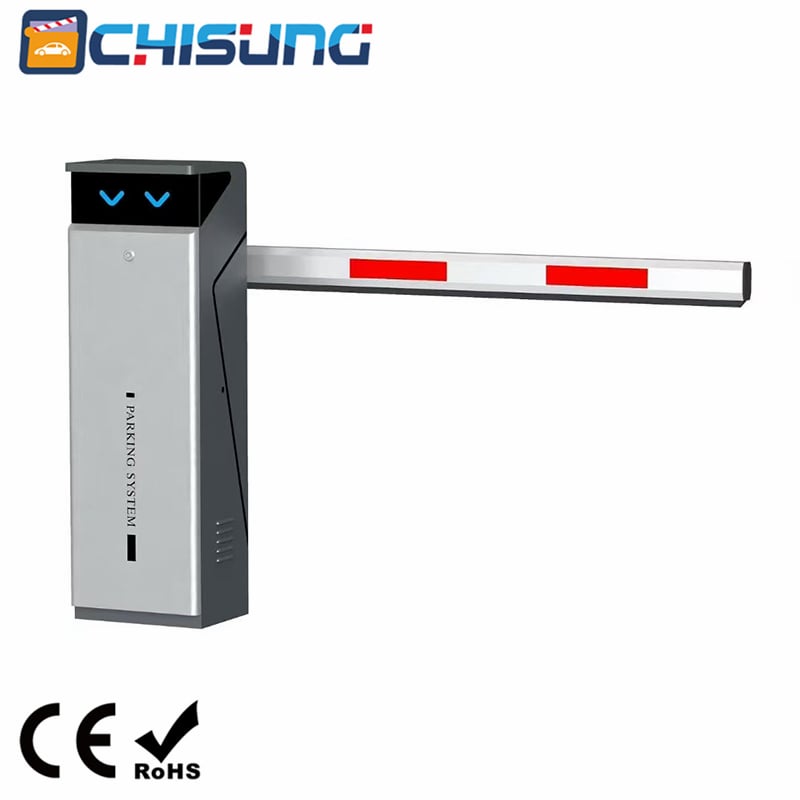
The operational efficiency of a barrier gate depends on the integration of several interconnected systems working in synchronization. Modern parking facilities and access-controlled environments rely on barrier gate installations to handle high volumes of vehicular traffic while maintaining accurate entry and exit records. The barrier gate mechanism has evolved significantly from manual systems to intelligent, networked solutions that provide real-time monitoring, remote operation, and advanced security features. This evolution has made the barrier gate an indispensable component in contemporary urban infrastructure and property management.
Core Components of a Barrier Gate System
Mechanical Structure and Boom Assembly
The physical foundation of every barrier gate is its boom assembly, which is the arm-like structure that physically blocks or permits vehicle passage. This boom is typically constructed from durable materials such as aluminum or reinforced composite materials that provide strength while maintaining a lightweight profile for smooth operation. The barrier gate boom connects to a rotating shaft mechanism, allowing it to move between raised and lowered positions with precision. The structural design of the barrier gate boom must withstand repeated mechanical stress and environmental exposure while maintaining alignment and operational safety throughout its service life.
Motor and Drive System
The motor serves as the power source that enables the barrier gate to operate reliably and efficiently. Modern barrier gate installations utilize DC brushless motors or AC motors that provide consistent torque and responsive acceleration. The barrier gate drive system typically incorporates a gearbox or direct drive mechanism to translate motor rotation into smooth boom movement. These motor systems in the barrier gate are engineered for continuous duty cycles, ensuring the barrier gate can handle peak traffic periods without performance degradation or overheating concerns.
How a Barrier Gate Operates
Access Detection and Signal Processing
A barrier gate operation begins when a vehicle triggers an access detection mechanism, which could be a proximity card reader, license plate recognition system, motion sensor, or manual push button. The barrier gate control system receives this signal and initiates a verification process to determine whether access should be granted. This processing phase of the barrier gate system typically occurs within milliseconds, allowing for responsive and efficient traffic management. The barrier gate then transmits a command to the motor, initiating the opening sequence that allows vehicle passage.
Mechanical Actuation and Movement Sequence
Once the barrier gate receives an authorization signal, the motor activates and begins rotating the boom to the raised or open position. The barrier gate typically rises smoothly within 3 to 8 seconds depending on the system design and motor specifications. During this movement, the barrier gate safety systems remain active, monitoring for obstacles or malfunctions that could compromise operational safety. After the vehicle passes through, the barrier gate automatically lowers back to its closed position, ready to process the next vehicle and maintain continuous security.
Key Functions and Applications of Barrier Gates
Parking Facility Management
Parking facilities depend on the barrier gate to manage vehicle flow, collect parking fees, and maintain organized entry and exit patterns. The barrier gate works in conjunction with parking management software to track occupancy, generate revenue reports, and optimize space utilization. Automated barrier gate systems in multi-story parking structures significantly reduce operational overhead while improving the user experience through faster processing times. The barrier gate integration with ticketing and payment systems creates a seamless transaction environment that enhances customer satisfaction and reduces congestion.
Security and Access Control
Beyond traffic management, the barrier gate serves as a fundamental security infrastructure element that prevents unauthorized vehicle access to restricted areas. Residential compounds, corporate campuses, and industrial facilities deploy barrier gate systems to regulate who enters the premises and maintain comprehensive access logs. The barrier gate can be integrated with advanced authentication methods such as biometric verification, RFID technology, and encrypted access cards. This security function of the barrier gate provides facility managers with audit trails and real-time visibility into all vehicle movements, enhancing overall site security posture.
Toll Collection and Highway Applications
Highway toll plazas and toll roads utilize high-speed barrier gate systems designed for rapid vehicle processing and revenue collection. The barrier gate at toll facilities must operate reliably under continuous demand, processing hundreds of vehicles daily while maintaining accurate transaction records. Modern toll barrier gate installations incorporate automatic number plate recognition and electronic toll collection, eliminating manual transaction overhead. The barrier gate technology in these applications has revolutionized toll operations, reducing queues and improving overall traffic flow efficiency on major transportation corridors.
Technical Features of Modern Barrier Gate Systems
Intelligent Control and Networking
Contemporary barrier gate systems incorporate microprocessor-based controllers that enable sophisticated logic programming and real-time decision making. The barrier gate control unit can communicate with access management software, parking systems, and security networks through standard protocols like TCP/IP and wireless connectivity. This barrier gate intelligence allows for features such as remote operation, predictive maintenance alerts, and automated anomaly detection. The barrier gate networked architecture provides facility managers with centralized oversight and the ability to respond quickly to system issues or security concerns.
Safety Features and Fail-Safe Mechanisms
Every professional-grade barrier gate includes multiple redundant safety systems to protect vehicles and personnel from mechanical hazards. The barrier gate incorporates pressure sensors, motion detectors, and emergency stop buttons that prevent boom descent if an obstruction is detected. Should power fail, the barrier gate system automatically raises the boom or enters a safe state that allows emergency vehicle access. These fail-safe characteristics of the barrier gate ensure compliance with safety regulations and provide peace of mind for facility operators managing high-traffic environments.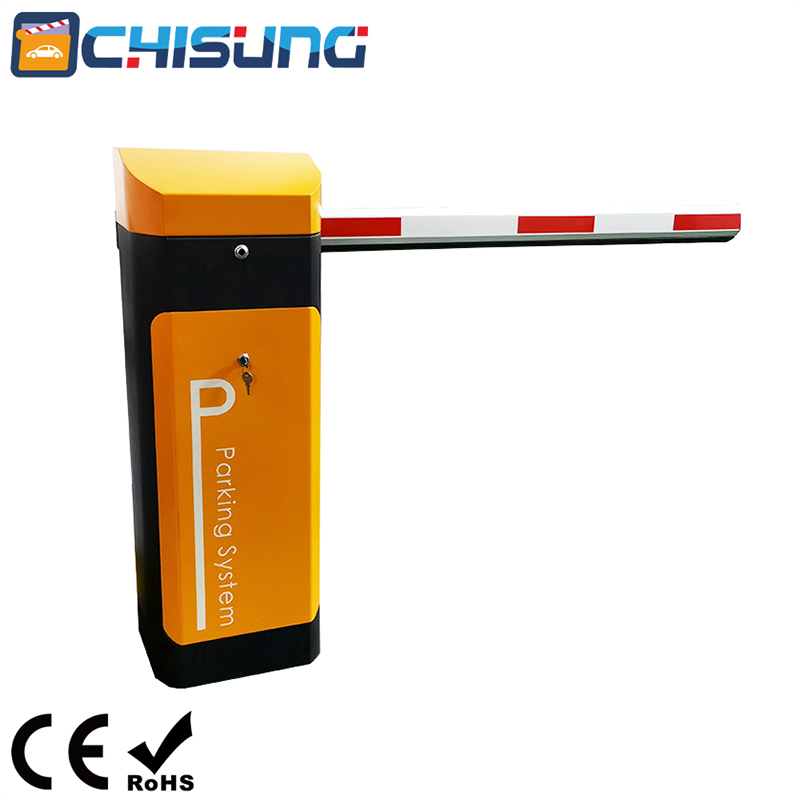
FAQ
What is the average response time of a barrier gate?
Most modern barrier gate systems activate within 500 milliseconds of receiving an access signal, with the boom fully raising within 3 to 8 seconds depending on motor power and mechanical design. Response time is critical in high-traffic parking facilities where delays directly impact customer experience and throughput capacity. Premium barrier gate installations are engineered for sub-second response times and rapid boom movement to minimize vehicle queueing.
Can a barrier gate operate during power outages?
Most barrier gate systems include battery backup or manual override mechanisms that allow emergency operation during power failures. The barrier gate typically defaults to the raised position when power is lost, ensuring emergency vehicles can pass through unimpeded. Some advanced barrier gate installations feature integrated uninterruptible power supplies that maintain full functionality for extended periods, while manual crank mechanisms provide backup actuation options.
How is a barrier gate integrated with parking management software?
The barrier gate connects to parking management systems through dedicated interfaces that transmit real-time entry and exit data, validate access credentials, and manage fee calculations. The barrier gate sends vehicle entry timestamps and other relevant data to the central database, enabling accurate occupancy tracking and revenue reporting. This integration between the barrier gate and management software creates an automated ecosystem that reduces manual administrative tasks and improves operational visibility.