
 EN
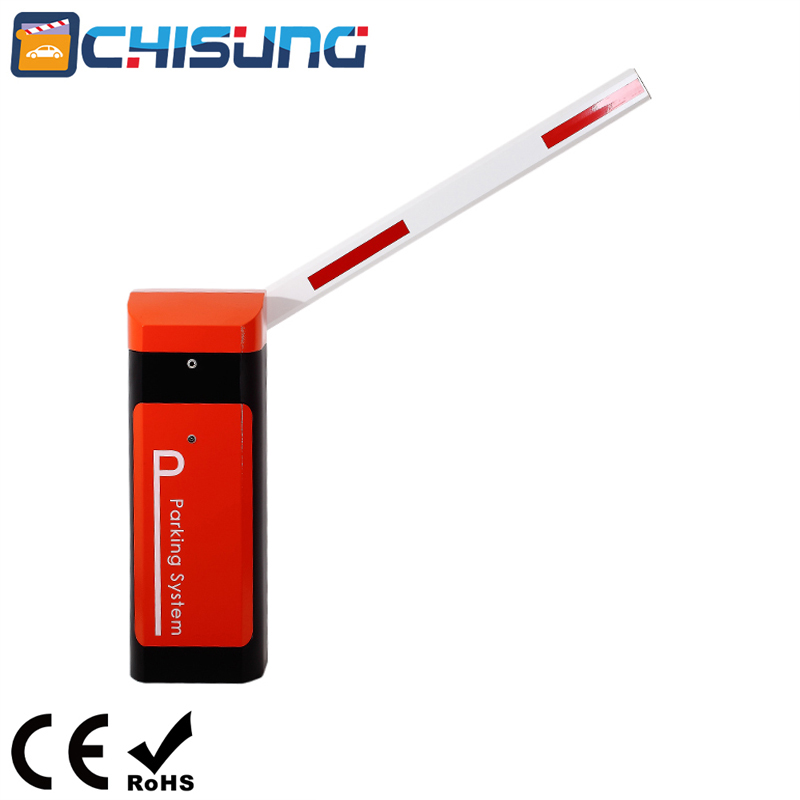
Selecting the right parking barrier gate is one of the most critical decisions for facility managers, parking lot operators, and property owners. A parking barrier gate serves as the primary access control mechanism for your site, managing vehicle flow, enhancing security, and protecting your assets. The wrong choice can lead to frequent maintenance issues, security vulnerabilities, operational inefficiencies, and unexpected costs that strain your budget and frustrate both staff and customers.
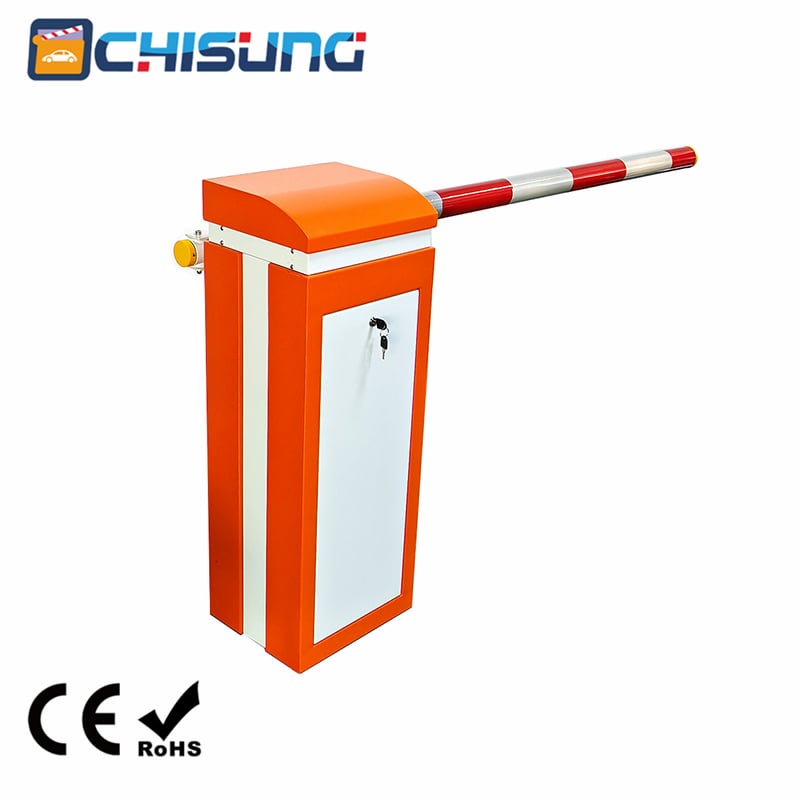
The process of choosing a parking barrier gate requires careful evaluation of multiple factors including operational demands, environmental conditions, budget constraints, and long-term reliability requirements. Whether you operate a busy toll station, shopping mall, office complex, or residential parking lot, understanding the key specifications and performance characteristics of a parking barrier gate will help you make an informed decision that aligns with your specific operational needs. This guide walks you through the essential considerations to ensure you select a parking barrier gate that delivers durability, efficiency, and value for your investment.
Understanding Core Parking Barrier Gate Specifications
Boom Length and Material Composition
The boom length of your parking barrier gate directly determines the width of the lane it can control. Most standard installations require a parking barrier gate with a boom length between 2.5 meters and 6 meters, depending on whether you're managing single or multiple traffic lanes. The material composition of the parking barrier gate boom is equally important, as it affects durability, weight, and maintenance requirements. Carbon fiber and aluminum are popular choices for modern parking barrier gate systems because they offer excellent strength-to-weight ratios, corrosion resistance, and extended operational lifespans in outdoor environments.
Operating Speed and Response Time
An efficient parking barrier gate must raise and lower quickly to minimize traffic congestion and maintain smooth vehicle flow. Most high-performance parking barrier gate systems operate with cycle times between 3 to 6 seconds, allowing rapid lane clearance during peak traffic periods. The response time of your parking barrier gate directly impacts customer satisfaction and operational throughput, particularly in high-traffic environments such as toll plazas, airport parking facilities, and commercial parking lots. Slower parking barrier gate systems create bottlenecks, increase wait times, and reduce overall site efficiency, ultimately affecting revenue and user experience.
Environmental Durability and Weather Resistance
IP Rating and Waterproofing Standards
Environmental protection is essential for any parking barrier gate operating outdoors. The IP (Ingress Protection) rating of your parking barrier gate indicates its resistance to dust and water intrusion. A parking barrier gate with an IP44 rating or higher provides robust protection against rain, spray, and dust, making it suitable for various climate conditions. Look for a parking barrier gate system that includes sealed motor housings, weatherproof connectors, and drainage provisions to prevent corrosion and electrical failures caused by moisture accumulation over time.
Temperature and Material Durability
Extreme temperature fluctuations can significantly impact the performance and longevity of your parking barrier gate. High-quality parking barrier gate systems use materials specifically engineered to withstand temperature ranges from -20°C to 60°C without degrading or losing structural integrity. A reliable parking barrier gate must maintain smooth operation during hot summers, cold winters, and seasonal transitions without requiring excessive maintenance or component replacement. Heavy-duty materials ensure that your parking barrier gate remains functional and safe across all weather conditions, reducing downtime and extending the useful life of your investment.
Power Supply, Control Systems, and Safety Features
Motor Power and Backup Systems
The motor power of your parking barrier gate determines its ability to handle continuous daily operations and emergency situations. A robust parking barrier gate typically features a motor rated between 24 VDC and 220 VAC, depending on your facility infrastructure and local electrical standards. Many modern parking barrier gate installations include backup battery systems or uninterruptible power supplies (UPS) to ensure gate operation during power outages, maintaining site security and preventing vehicle entrapment. Your parking barrier gate power configuration should match your facility's electrical capacity and include surge protection to prevent equipment damage from electrical fluctuations.
Integration with Access Control Systems
A modern parking barrier gate must seamlessly integrate with your existing access control infrastructure. Whether you use card readers, license plate recognition systems, mobile payment platforms, or traditional key fobs, your parking barrier gate control system should communicate smoothly with these technologies. An intelligent parking barrier gate solution allows real-time monitoring, remote operation, and data logging for traffic analysis and revenue tracking. Ensure your chosen parking barrier gate is compatible with your current system architecture and scalable for future upgrades and expansions.
Safety and Emergency Features
Safety is non-negotiable when selecting a parking barrier gate. Your parking barrier gate should include obstacle detection sensors that automatically reverse the boom if contact is detected, preventing injuries and vehicle damage. A reliable parking barrier gate also features manual release mechanisms for emergency situations, ensuring that vehicles and personnel can be safely freed if the system loses power or malfunctions. Audible and visual warning signals must be clearly integrated into your parking barrier gate design to alert drivers and pedestrians before the boom moves, reducing accident risks and liability exposure.
Installation, Maintenance, and Total Cost of Ownership
Installation Requirements and Site Preparation
Proper installation is critical to the long-term performance of your parking barrier gate. Site preparation typically includes foundation reinforcement, electrical conduit installation, and positioning adjustments to ensure optimal boom clearance and vehicle safety. Professional installation of a parking barrier gate requires experienced technicians familiar with your specific equipment model and local building codes. Inadequate installation of a parking barrier gate can result in alignment issues, premature wear, safety hazards, and reduced operational efficiency, ultimately increasing your total cost of ownership.
Maintenance Schedules and Spare Parts Availability
Ongoing maintenance directly impacts the lifespan and reliability of your parking barrier gate. Establish a regular maintenance schedule that includes motor inspection, boom lubrication, sensor testing, and electrical system checks. Verify that spare parts for your chosen parking barrier gate model are readily available from authorized distributors, ensuring minimal downtime if component failures occur. A parking barrier gate with good parts availability and manufacturer support will reduce maintenance costs and operational disruptions throughout its service life.
Long-Term Cost Projections
Calculate the total cost of ownership for your parking barrier gate by combining purchase price, installation costs, maintenance expenses, and estimated energy consumption over 5 to 10 years. While an initial investment in a high-quality parking barrier gate may be higher, superior durability and reliability typically result in lower long-term costs compared to cheaper alternatives requiring frequent repairs. A durable parking barrier gate reduces unexpected downtime, minimizes emergency service calls, and maximizes revenue generation, providing better financial returns for facility owners and operators.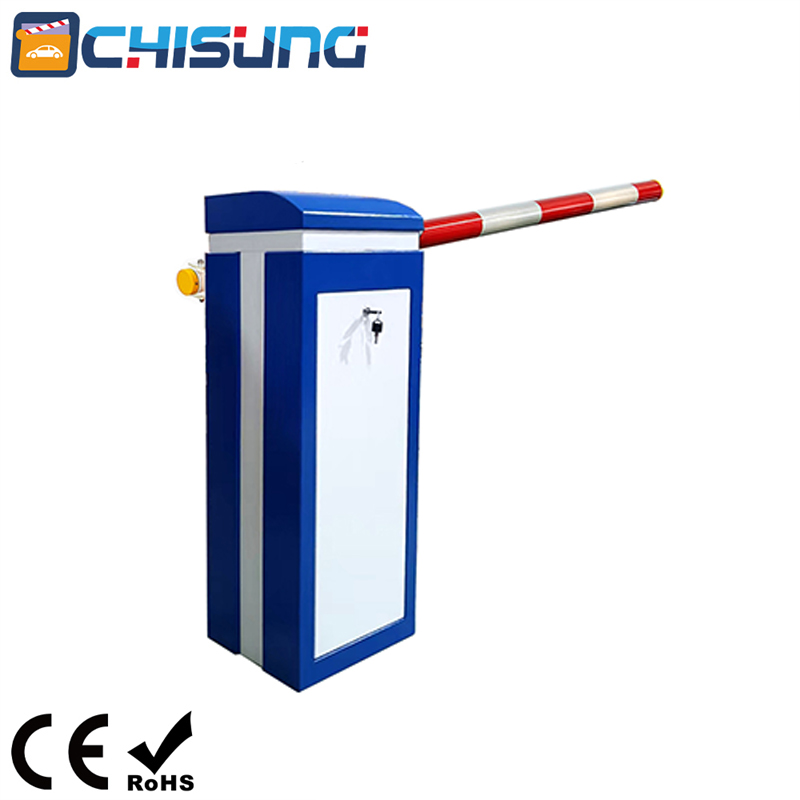
FAQ
What parking barrier gate boom length do I need for my facility?
The appropriate boom length depends on your lane width and traffic configuration. Standard single-lane installations typically require a parking barrier gate with a 2.5 to 3.5 meter boom, while wider or multi-lane facilities may need a parking barrier gate with 4 to 6 meter booms. Measure your lane width and consult with installation professionals to determine the optimal parking barrier gate length for your specific site requirements.
How often should a parking barrier gate require maintenance?
A well-maintained parking barrier gate should be inspected quarterly and serviced semi-annually under normal operating conditions. High-traffic facilities may require monthly inspections and quarterly maintenance for your parking barrier gate to ensure continuous reliability. Regular maintenance of a parking barrier gate includes motor lubrication, sensor calibration, electrical connection checks, and boom balance verification to prevent premature component failure.
Can a parking barrier gate operate during power outages?
Many modern parking barrier gate systems include battery backup or UPS integration to maintain limited operation during power loss. However, backup capacity depends on your parking barrier gate system specifications and battery configuration. Consult your parking barrier gate manufacturer about backup power options and expected operating time to ensure adequate contingency planning for your facility's security and access control requirements.