
 EN
EN
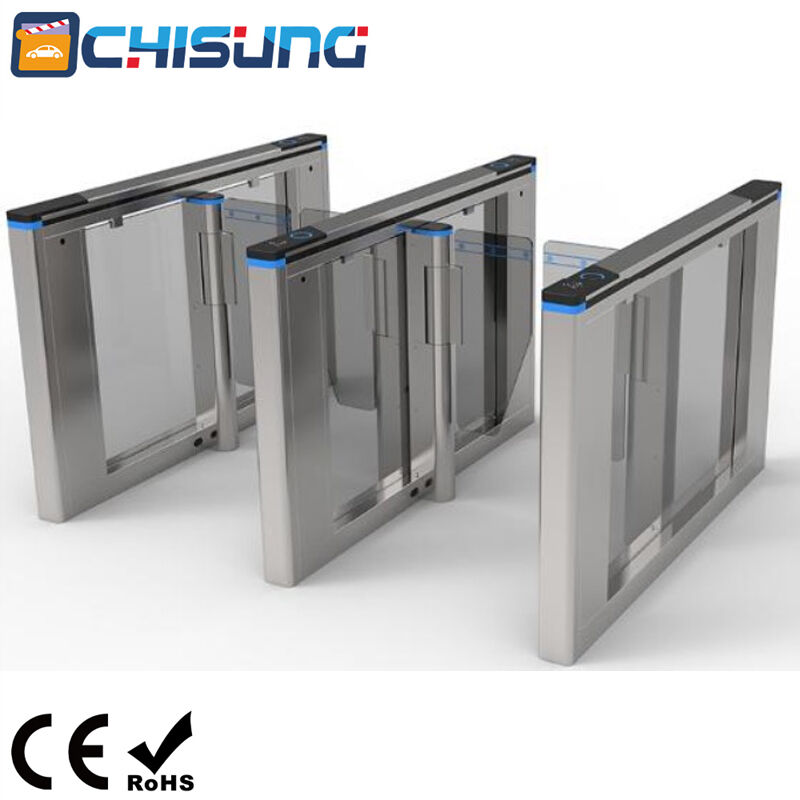
2026 жылы жылдамдық қақпаларын орнатудың құны жүйенің күрделілігі, орналасу талаптары және қауіпсіздік функциялары сияқты бірнеше факторға байланысты әртүрлі болады. Қазіргі заманғы жылдамдық қақпалары негізгі механикалық айналмалы қақпалардан бастап, ғимараттың басқару жүйелерімен үйлесімді түрде интеграцияланған күрделі кіру бақылау шешімдеріне дейін дамыды. Толық құн құрылымын түсіну кіру бақылау инфрақұрылымын жобалаған кезде ғимараттың басқарушылары мен қауіпсіздік мамандарының дұрыс шешім қабылдауына көмектеседі. Орнату шығындары әдетте негізгі жалғыз жолақты конфигурациялардан бастап, алдыңғы қатарлы биометриялық интеграция мүмкіндіктері бар күрделі көпжолақты орнатуларға дейін әртүрлі болады.

Жылдамдық қақпалары жүйелерінің қазіргі нарықтағы бағалары
Негізгі жылдамдық қақпалары конфигурациялары
Кіріс деңгейіндегі жылдамдық қақпаларын орнату әдетте алғашқы электрондық қосымша функцияларсыз стандартты механикалық құрылғылар үшін шамамен 3 500 АҚШ долларынан басталады. Бұл негізгі жүйелерге жаяу адамдарды бақылаудың негізгі механизмдері, стандартты кедергі иіндері және қарапайым карталық оқығыштарды интеграциялау мүмкіндіктері кіреді. Бұл баға төмен өткел қарқыны бар орталықтар, мысалы, кіші көлемді офис ғимараттары немесе тұрғын үй кешендері үшін қажетті негізгі функционалдықты көрсетеді. Негізгі конфигурацияларды орнату құны әдетте алаң дайындығы талаптары мен электрлік инфрақұрылымның болуына байланысты әрбір құрылғы үшін тағы 800–1 200 АҚШ долларын құрайды.
Орта деңгейлі жылдамдық қақпалары кеңейтілген қауіпсіздік функцияларын, жақсартылған эстетикалық сипаттамаларды және орта деңгейдегі электронды интеграциялау мүмкіндіктерін қамтиды. Бұл орнатулар бағасы шамамен әрбір жол үшін $5 500–$8 500 аралығында болады және жиі LED көрсеткіштерін, авариялық босату механизмдерін және стандартты қол жеткізу бақылау платформаларымен сүйкесімділікті қамтиды. Кәсіби орнату әдетте әрбір құрылғы үшін $1 500–$2 500 қосымша шығын тудырады, бұл күрделірек сымдарды қосу талаптары мен жүйені іске қосу процедураларын ескереді.
Жоғары сапалы жылдамдық қақпа шешімдері
Жоғары сапалы жылдамдық қақпаларын орнату үшін әдетте ланына $12 000–$25 000 аралығындағы жоғары баға белгіленеді; бұл бағалар кеңейтілген биометриялық интеграция, бетті тану қабілеттері және күрделі кейінгі өтуге қарсы технологиялары бар жүйелер үшін қолданылады. Бұл жоғары деңгейлі шешімдер қатысуға рұқсат берудің дәлдігі ең маңызды болатын корпоративтік басқарма ғимараттары, үкіметтік объектілері және жоғары қауіпсіздікті қажет ететін коммерциялық орталарға бағытталған. Жоғары деңгейлі жүйелерді орнату құны кеңейтілген интеграция талаптары мен арнайы конфигурациялау қажеттіліктеріне байланысты әдетте бір бірлікке $3 000–$5 000 аралығында болады.
Кәсіпорын деңгейіндегі жылдамдық қақпасы ғимаратты басқару жүйесімен толық интеграцияланған жүйелер қосымша қиындықтарды қамтитын қосымша бағдарламалық қамтамасыз ету жұмыстары, арнайы сенсорлар және әртүрлі архитектуралық интеграция талаптары ескерілген кезде ланына $30 000-ден асады. Бұл орнатулар қатысуға рұқсат беру технологиясының ең жоғарғы деңгейін көрсетеді және терең техникалық білімі бар арнайы орнату топтарын талап етеді.
Орнату құнының құрамдас бөліктері мен айнымалылары
Алаң дайындау талаптары
Сайтты дайындау шығындары жылдам қақпа орнату жалпы шығындарының маңызды бөлігін құрайды және бар инфрақұрылым жағдайларына байланысты әртүрлі болады. Электр инфрақұрылымын өзгерту әдетте әрбір орнату орны үшін $500 мен $3 000 арасындағы құнға тұрады, бұл қуат талаптары мен электр панельдерінен қашықтыққа байланысты. Көптеген заманауи жылдам қақпа жүйелері арнайы электр тізбегін талап етеді және көп жағдайда ескі ғимараттарда панельді жаңарту қажет болады. Желілік байланыс дайындығы әрбір құрылғы үшін ethernet кабелін салу мен желілік коммутаторды конфигурациялау үшін тағы да $300–$1 500 қосымша шығын тудырады.
Еденді өзгерту жиі жылдамдық қақпаларын орнату кезінде күтпеген шығындарды құрайды, әсіресе анкерлік нүктелер үшін бетонды кесу немесе еденді күшейту қажет болған кезде. Бұл өзгертулер еден түрі мен құрылымдық талаптарға байланысты әрбір орнату үшін $800–$2500 аралығында қосымша шығындарға әкелуі мүмкін. Жоғарғыдан орналасқан сенсорлар немесе жарықтандыру интеграциясы үшін таван жұмыстары сияқты архитектуралық өзгертулер әрбір орнату орны үшін $1200–$4000 аралығында қосымша шығындарға әкеледі.
Професионалдық жобалау сервистері
Кәсіби орнату қызметтері электр жұмыстары, желі конфигурациясы және механикалық жинақтау сияқты бірнеше мамандандырылған мамандықтарды қамтиды. Сертификатталған орнату техниктері жылдамдық қақпаларын орнату жұмыстары үшін сағатына $150–$250 аралығында ақы алады, ал толық орнату жүйенің күрделілігіне байланысты 8–16 сағатты қажет етеді. Көпжолақты орнатулар жиі масштабтың экономикалық тиімділігінен пайда көреді, бұл бірлікке келетін орнату уақытын және байланысты еңбек шығындарын азайтады.
Жүйені іске қосу және сынау — жылдамдық қақпаларының дұрыс жұмыс істеуін және бар қауіпсіздік жүйелерімен интеграциялануын қамтамасыз ететін маңызды орнату кезеңдері. Іске қосу қызметтері әдетте әрбір орнату үшін $500–$1500 аралығында тұрады және барлық қауіпсіздік функцияларын толық сынау, кіруге ба control интеграциясын тексеру және қызметкерлерге оқыту сабақтарын қамтиды. Көптеген орнату мердігерлері көпбірлік орнатулар үшін тиімдірек құнды іске қосу пакеттерін ұсынады.
Жылдамдық қақпаларын орнатудың құнына әсер ететін факторлар
Технологиялық интеграция күрделілігі
Интеграция күрделілігі жылдамдық қақпаларын орнату шығындарына маңызды әсер етеді, себебі жүйелер бар болған қол жеткізу бақылау дерекқорларымен, өрт қауіпсіздігі жүйелерімен және ғимаратты басқару платформаларымен ықпалдастыруы тиіс. Негізгі карталық оқығыштарды интеграциялау шығындарға незначиялық қосымша жүктеме қосады, ал биометриялық жүйелер арнайы бағдарламалық конфигурация мен дерекқор синхрондауын талап етеді, бұл бір бірлікке 1 000–3 500 долларға дейін орнату шығындарын көтереді. Бет-бейне тану жүйелері немесе мобильді ресми құжаттар платформаларымен кеңейтілген интеграция қосымша бағдарламалық лицензиялар мен конфигурациялау уақытын талап етеді.
Қазіргі заманғы жылдамдық қақпалары үшін желілік қауіпсіздік талаптары жиі VLAN конфигурациясын, файрвол ережелерін өзгерту мен киберқауіпсіздікке сәйкестік шараларын қажет етеді. Бұл техникалық талаптар кәсіби қызмет шығындарын әрбір орнатуға 800–2 000 долларға дейін көтереді. Қатаң киберқауіпсіздік саясаты бар ұйымдар қосымша қауіпсіздік сынақтары мен сертификаттауды талап етуі мүмкін, бұл іске асыру шығындарын әрі қарай арттырады.
Географиялық орналасу әсері
Жылдамдық қақпаларын орнату шығындарына географиялық орналасу әсер етеді, себебі еңбекақы мөлшерлері, рұқсаттар талаптары және жабдықтарды тасымалдау шығындары аймақтар бойынша әртүрлі болады. Еңбекақы деңгейі жоғарырақ болатын метрополиялық аймақтарда орнату шығындары ұлттық орташа көрсеткіштен 20–40% жоғары болуы мүмкін. Алыстағы орындарда техниктердің сапары мен жабдықтардың жеткізілуі үшін қосымша төлемдер пайда болуы мүмкін, ол әрбір орнату үшін $500–$2000 қосымша шығын тудыруы мүмкін.
Жергілікті ғимараттар кодтары мен рұқсаттар талаптары әкімшілік аумақтар бойынша әртүрлі болады және жылдамдық қақпаларын орнату барысында уақыт кестесі мен шығындарға әсер етуі мүмкін. Кейбір әкімшіліктер механикалық кіру бақылау құрылғылары үшін арнайы рұқсаттарды талап етеді, бұл рұқсаттар мен тексеру шығындары $200–$800 құрайды. Кейбір аймақтарда кәсіподақтық еңбек талаптары орнату техниктері үшін белгілі бір мамандық сертификаттарын қажет етеді, бұл техниктердің қолжетімділігі мен сағаттық еңбекақысына әсер етеді.
Ұзақ мерзімді шығындарды ескеру
Техникалық қызмет көрсету және кепілдік келісімдері
Жылдамдық қақпаларының жүйелері үшін ұзақ мерзімді шығындардың маңызды компоненті болып табылатын үнемі жүргізілетін техникалық қызмет көрсету – бұл объектілерді басқарушылардың жалпы иелену құнын есептеу кезінде ескеруге тиісті фактор. Толық қызмет көрсету келісімдері әдетте жүйенің күрделілігі мен қызмет көрсету деңгейі талаптарына байланысты әрбір құрылғы үшін жылдық $800–$2500 аралығында тұрады. Бұл келісімдер әдетте алдын-ала техникалық қызмет көрсету қондырғыларын, авариялық жөндеу қызметтерін және бағдарламалық жасақтаманы жаңарту бойынша басқаруды қамтиды.
Жоғары деңгейлі электронды компоненттері бар жылдамдық қақпаларының жүйелері инфрақызыл сенсорлар, электр қозғалтқыштарының құрамалары мен басқару электроникасы сияқты элементтерге қатысты негізгі механикалық құрылғыларға қарағанда жиірек техникалық қызмет көрсетуді талап етеді. Алыстан бақылау мүмкіндіктерін пайдаланатын болжамды техникалық қызмет көрсету бағдарламалары ұзақ мерзімді техникалық қызмет көрсету шығындарын азайтуға, сонымен қатар жүйенің сенімділігі мен жұмыс істеу уақытының өнімділігін арттыруға мүмкіндік береді.
Технологиялық жаңарту бағыттары
Кіру құрылғыларын бақылау жүйелеріндегі технологиялық даму ұзақ мерзімді жылдамдық қақпаларына инвестициялауға мүмкіндіктер мен қиындықтар туғызады. Модульдік жүйе дизайны толық алмастырудың қажеттілігінсіз біртіндеп жаңартуларды қамтамасыз етеді, ал интеграцияланған жүйелер өзгеріп отырған қауіпсіздік платформаларымен сәйкестікті сақтау үшін толық көлемдегі жаңартуларды талап етуі мүмкін. Бастапқы орнату кезінде технологиялық жаңарту жолдарын жоспарлау келешектегі өзгерістерге кететін шығындарды қатты азайтуға мүмкіндік береді.
Жылдамдық қақпалары үшін бұлттық негізде жұмыс істейтін кіруге бақылау платформалары барлық уақытта серверлердің жергілікті орнатылуын азайтады, бірақ үнемі жалғасатын жазықша төлемдерін енгізеді. Бұл жазықша моделдері әдетте айына әрбір есік үшін $15–$50 аралығында болады және оларды ұзақ мерзімді бюджеттеу кезінде дәстүрлі техникалық қызмет көрсету шығындарымен бірге ескеру қажет.
Өнімдік стратегиялар
Көпфазалық іске асыру тәсілдері
Көпсатылы іске асыру стратегиялары ұйымдарға жылдамдық қақпаларын орнату шығындарын бірнеше бюджеттік циклдарға таратуға және бірден бастап приоритетті аймақтарда қауіпсіздікті жақсартуға мүмкіндік береді. Бірінші сатыдағы іске асырулар негізінен негізгі кірістер мен жоғары қауіпсіздікті қажет ететін аймақтарға бағытталады, ал кейінгі сатылар екінші деңгейлі кірістер мен ішкі қауіпсіздік бақылау пункттарына қамтылу аймағын кеңейтеді. Бұл тәсіл сатылар арасында алған тәжірибелерді енгізу мен технологияның дамуына мүмкіндік береді.
Ұйымдар әртүрлі сатылар немесе орындар бойынша бірнеше жылдамдық қақпасын орнатуды жоспарласа, топтап сатып алу бойынша келісімдер бірлікке шаққандағы шығындарды қатты төмендетуге мүмкіндік береді. Көптеген өндірушілер белгілі бір сан порогынан асқан тапсырыстар үшін 10%–25% аралығындағы көлемдік жеңілдіктер ұсынады. Профессионалды орнату мердігерлері де бірнеше құрылғыны орнатқан кезде осындай көлемдік жеңілдіктерді ұсынады.
Қаржыландыру және лизинг опциялары
Жылдамдық қақпаларын орнату үшін ірі бастапқы капиталдық шығындардың альтернативалары ретінде жабдықтарды қаржыландыру және жалға беру бағдарламалары ұсынылады. Жалға алу бағдарламалары әдетте жүйенің құны мен жалға алу мерзіміне байланысты әрбір құрылғы үшін айлық төлемдерді $180-тан $650-ге дейін ұсынады. Бұл бағдарламалар көбінесе ұзақ мерзімді шығындарды басқаруды жеңілдететін техникалық қызмет көрсету қамтамасыз етуі мен технологиялық жаңарту опцияларын қамтиды.
Капиталдық жалға алу құрылымдары ұйымдарға иелікті сақтауға мүмкіндік береді және шығындарды ұзақ мерзімге созады, ал операциялық жалға алу технологиялық жаңартулар мен жүйелердегі өзгерістерге икемділік береді. Кейбір жалға алу бағдарламалары айлық төлемдерге орнату қызметтері мен техникалық қызмет көрсету қамтамасыз етуін қосады, бұл бюджетті басқаруды жеңілдетеді және күтпеген жөндеу шығындарын болдырмауға көмектеседі.
Жиі қойылатын сұрақтар
Жылдамдық қақпалары жүйелерін орнатуға қанша уақыт кетеді?
Жылдамдық қақпаларын орнату мерзімдері жүйенің күрделілігі мен объектіні дайындау талаптарына байланысты әртүрлі болады, әдетте әрбір орнату орны үшін 2–5 күн аралығында болады. Бар электр инфрақұрылымы бар жалғыз жолақты орнатулар әдетте 1–2 күн ішінде аяқталады, ал күрделі интеграция талаптары бар көпжолақты орнатулар 1–2 апта уақыт алуы мүмкін. Электр өзгерістері мен желілік инфрақұрылымын қоса алғандағы объектіні дайындау жұмыстары жалпы мерзімге бірнеше қосымша күн қосуы мүмкін.
Бастапқы жылдамдық қақпасын орнатудан кейін қосымша тұрақты шығындар бола ма?
Иә, жылдамдық қақпаларын қолдану кезінде тұрақты техникалық қызмет көрсету, бағдарламалық жасақтаманы жаңарту және жұмыс істеу өмірлік циклы бойынша компоненттерді алмастыру қажет. Жылдық техникалық қызмет көрсету құны жүйенің күрделілігі мен қызмет келісімшілігінің көлеміне байланысты әрбір құрылғы үшін 800–2500 АҚШ доллары аралығында болады. Қосымша шығындарға бағдарламалық жасақтаманың лицензиялық құны, бұлттық қызметке жазылу құны және дамып келе жатқан қауіпсіздік платформаларымен сәйкестікті сақтау үшін периодтық технологиялық жаңартулар кіреді.
Бар болған бұралыс қақпаларын заманауи жылдамдық қақпаларына жаңартуға бола ма
Бар болған бұралыс қақпаларын заманауи жылдамдық қақпаларына жаңарту кейде мүмкін, бірақ бұл негізінен бар инфрақұрылым мен механикалық сыйымдылыққа тәуелді. Негізгі механикалық бұралыс қақпалары құрылымдық айырмашылықтарына байланысты толығымен алмастырылуы мүмкін, ал кейбір электронды бұралыс қақпалары басқару жүйесін жаңартуға ие болуы мүмкін. Толық алмастыру нұсқаларымен салыстырғанда жаңартудың орындалу мүмкіндігі мен тиімділігін анықтау үшін мамандардың бағалауын ұсынамыз.
Жылдамдық қақпаларын орнату бағасына ең көп әсер ететін факторлар қандай?
Жүйенің күрделілігі, объектіні дайындау талаптары және интеграциялау қажеттіліктері жылдамдық қақпаларын орнату бағасына ең көп әсер етеді. Жоғары деңгейдегі биометриялық мүмкіндіктер, кең көлемді ғимаратты басқару жүйесімен интеграциялау және күрделі электрлік инфрақұрылымды өзгерту ең жоғары шығындарға әкелетін айнымалылар болып табылады. Географиялық орналасу, жергілікті еңбекақы ставкалары және рұқсат алу талаптары да әртүрлі нарықтар мен аймақтарда жалпы орнату шығындарына маңызды әсер етеді.