
 EN
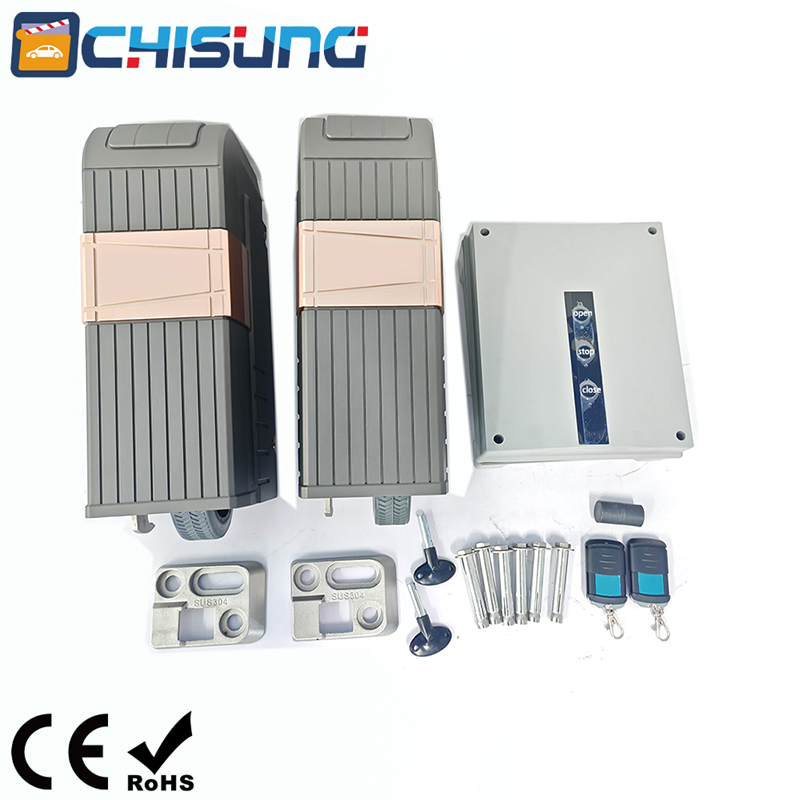
A reliable gate opener transforms how you access your property, combining security, convenience, and functionality into a single system. Whether you own a villa, estate, or suburban home with a driveway gate, choosing the right gate opener requires understanding several critical factors that determine performance, durability, and user satisfaction. The best gate opener balances motor power, build quality, ease of installation, and advanced features that suit your specific needs without excessive cost or complexity.
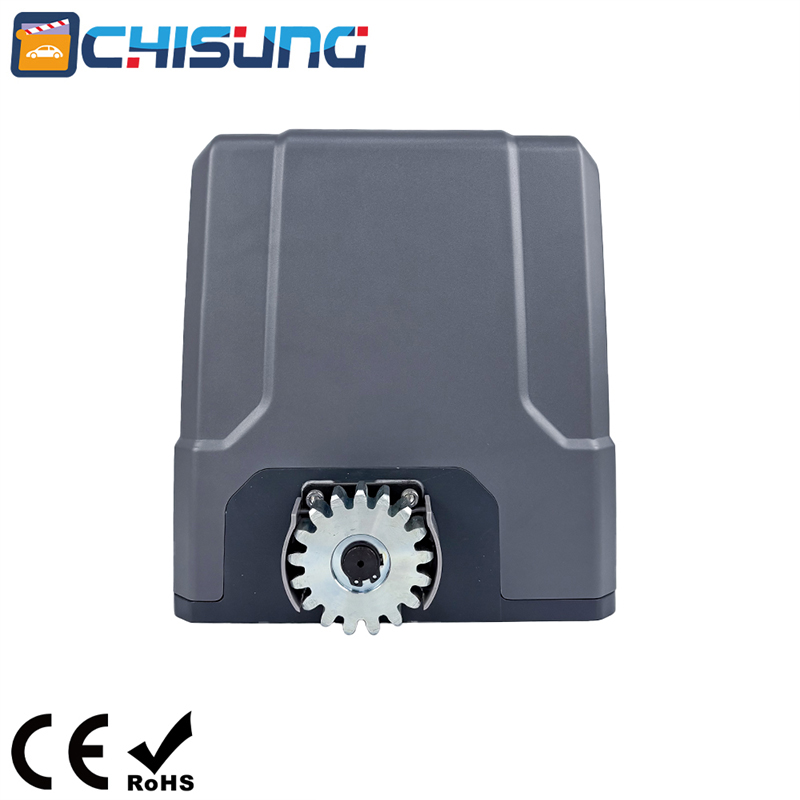
Understanding what makes a good gate opener begins with recognizing that not all gate openers perform equally across different environments, gate sizes, and usage patterns. A high-quality gate opener must deliver consistent operation year-round, integrate with modern security systems, and provide reliable access control without frequent maintenance or repairs. This guide explores the essential characteristics that distinguish an effective gate opener from mediocre alternatives.
Motor Power and Operational Reliability
AC Motor vs. DC Motor Technologies
The motor type in your gate opener fundamentally determines how well it handles heavy gates and continuous operation. An AC motor gate opener delivers superior torque and sustained power output, making it ideal for larger swing gates, sliding gates, or properties with frequent daily access. AC motors in a quality gate opener typically provide 220V or 110V power, enabling consistent performance even under load without overheating or performance degradation. DC motors, while sometimes quieter and suitable for lighter gates, lack the sustained torque necessary for heavier applications, making an AC motor gate opener the professional choice for residential estates and villas.
Torque Rating and Gate Weight Compatibility
A good gate opener must match the torque specifications to your specific gate weight and materials. Heavy wrought iron or solid steel gates demand a gate opener with higher torque ratings, typically measured in Newton-meters or foot-pounds. Insufficient torque forces the gate opener to strain, causing premature motor wear, slower opening speeds, and reduced lifespan. Conversely, a properly rated gate opener with adequate torque maintains smooth acceleration, consistent gate speeds, and reliable performance across temperature variations and seasonal weather changes.
Build Quality and Weather Resistance
Material Durability and Corrosion Protection
Outdoor exposure demands that every component of your gate opener resist corrosion, rust, and environmental stress. Premium gate opener models feature stainless steel hardware, powder-coated aluminum housings, and sealed electrical connections that withstand rain, salt spray, UV exposure, and freeze-thaw cycles. A well-engineered gate opener uses marine-grade components and protective coatings that maintain structural integrity through years of continuous outdoor operation. Inferior gate opener designs often employ steel components lacking proper surface treatment, leading to corrosion and eventual mechanical failure within two to three years.
Motor Housing and Seal Integrity
The gate opener motor housing must seal completely against moisture ingress, preventing water damage to internal electrical components. Quality gate opener models incorporate dual-lip gaskets, drainage ports, and ventilation design that allows air circulation while blocking water penetration. A compromised seal in an inferior gate opener permits moisture accumulation, corrosion of motor windings, and electrical failures that render the entire system inoperative. Professional-grade gate opener installations include protective enclosures or covers that shield the motor from direct rain exposure while maintaining adequate airflow.
Smart Features and Control Integration
Remote Access and Wireless Control Capability
Modern homeowners expect their gate opener to support convenient remote operation through key fobs, mobile applications, or wireless receivers. A contemporary gate opener integrates radio frequency technology allowing multiple authorized users to open gates from vehicles or their phones. Advanced gate opener systems offer encrypted wireless protocols, rolling code technology, and multi-device pairing that enhance security while maintaining usability. Legacy gate opener models lacking these features require manual operation or simple push-button systems, significantly reducing convenience for busy households or properties with frequent visitors.
Safety Features and Access Logging
A responsible gate opener includes obstacle detection, automatic reversal on impact, and emergency manual operation capability ensuring family safety and property protection. Premium gate opener designs incorporate photoelectric sensors, pressure-sensitive edges, or laser-based detection systems that prevent entrapment or collision injuries. Some advanced gate opener models include access logging features that record opening times, authorized users, and system events, providing valuable security documentation for residential properties. A quality gate opener also includes manual release mechanisms allowing gate operation during power outages or system malfunctions.
Installation Simplicity and Compatibility
Mechanical Integration with Existing Gates
The best gate opener installs without requiring extensive gate modifications, structural reinforcement, or professional engineering consultation. A well-designed gate opener uses universal mounting brackets, adjustable linkage arms, and flexible positioning options accommodating various gate styles and sizes. Installation-friendly gate opener models include clear documentation, pre-calibrated settings, and intuitive setup procedures reducing labor costs and project timelines. Conversely, poorly designed gate opener systems demand custom fabrication, welding modifications, or structural upgrades that dramatically increase installation expense and complexity.
Electrical Integration and Power Supply Requirements
A practical gate opener matches your property's existing electrical infrastructure without demanding expensive electrical upgrades or panel modifications. Residential gate opener installations typically require standard 110V or 220V power supply, backed-up battery systems for emergency operation, and simple wiring protocols. Quality gate opener manufacturers provide comprehensive wiring diagrams, transformer options, and power supply guidance ensuring smooth integration with residential electrical systems. An inferior gate opener may require specialized power conditioning, excessive wiring, or dedicated electrical circuits increasing installation costs substantially.
Maintenance Requirements and Long-Term Value
Lubrication Schedules and Wear Component Durability
Premium gate opener designs minimize maintenance through sealed bearings, self-lubricating components, and engineering that reduces friction and wear. A quality gate opener may require annual lubrication inspections and basic cleaning but should not demand frequent part replacement or specialized servicing. Extended-life gate opener components include sealed gearboxes, polymer-coated linkages, and stainless fasteners that resist wear and environmental degradation. Budget-oriented gate opener models often feature open bearing designs, inadequate lubrication systems, and unprotected metal-to-metal contact accelerating wear and necessitating frequent replacement of internal components.
Warranty Coverage and Manufacturer Support
A reliable gate opener comes backed by comprehensive warranty protection covering motor defects, mechanical failure, and component wear for extended periods. Reputable gate opener manufacturers offer 2- to 5-year warranties, replacement guarantees, and accessible technical support for troubleshooting and repairs. Choosing a gate opener from established manufacturers ensures availability of replacement parts, service documentation, and professional support networks should problems arise. Gate opener products with minimal warranty protection, unclear support channels, or discontinued product lines present long-term financial and operational risks for residential homeowners.
FAQ
What size motor do I need for my residential gate opener?
The appropriate motor size for your gate opener depends on gate weight, material composition, and daily usage frequency. Most residential swing gates weighing under 800 pounds require a gate opener with 120–150 Newton-meters torque, while heavier iron or wood gates demand 200+ Newton-meters. A professional assessment of your gate specifications ensures your gate opener receives adequate power without oversizing or undersizing. Consulting your gate opener manufacturer or installation specialist helps match motor capacity precisely to your property needs.
Can I upgrade my manual gate to an automatic gate opener system?
Yes, most existing manual gates can be retrofitted with an automatic gate opener system through universal mounting hardware and adjustable linkage mechanisms. The gate opener installation process does not typically require structural modifications beyond adding anchor points for mounting brackets. However, severely damaged gates, non-standard designs, or severely misaligned gates may require repairs before a gate opener installation proceeds successfully. A qualified gate opener installer evaluates your existing gate condition and can recommend whether retrofitting with a gate opener is practical and cost-effective.
How does weather affect gate opener performance and lifespan?
Extreme temperature fluctuations, heavy precipitation, salt spray, and UV exposure all impact gate opener reliability and component longevity. A quality gate opener with superior weather sealing, corrosion-resistant materials, and protected electrical connections maintains consistent performance across diverse climates. Regular maintenance including lubrication, seal inspection, and cover cleaning extends your gate opener lifespan significantly in harsh environments. Properties experiencing extreme weather conditions benefit from premium gate opener models engineered for environmental durability over budget alternatives lacking comprehensive weather protection.