
 EN
EN
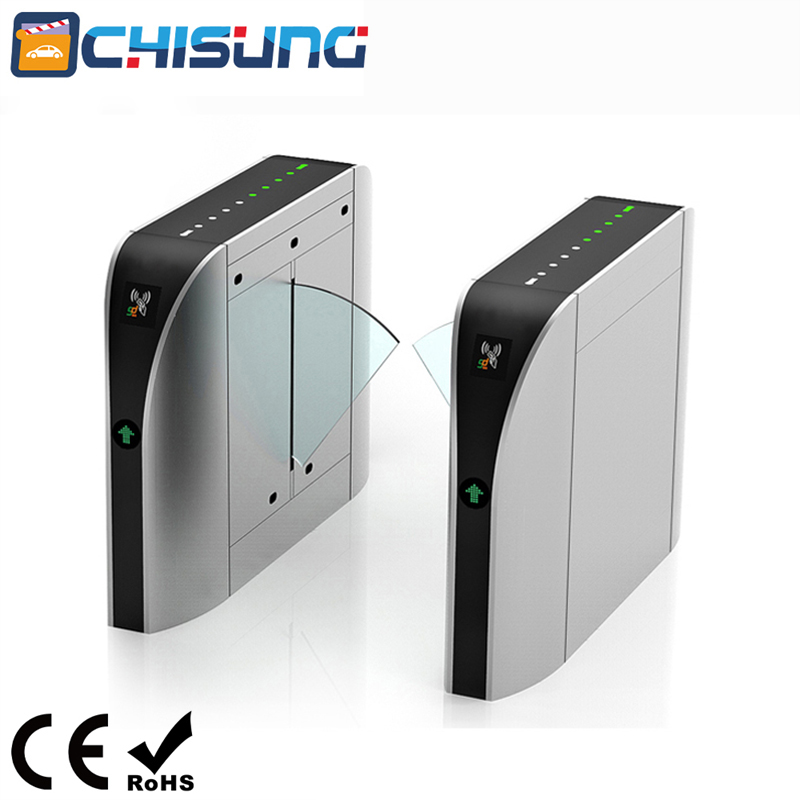
A flap gate is a modern access control device designed to regulate pedestrian traffic flow in high-security and high-volume environments. Unlike traditional full-height turnstiles or sliding barriers, a flap gate uses retractable barrier arms or panels that swing open only when authorized access credentials are presented. The technology behind a flap gate combines mechanical precision with electronic verification systems, making it an essential component in facilities ranging from corporate offices and transit hubs to data centers and government buildings. Understanding how a flap gate operates helps facility managers, security directors, and operations teams select the right access control solution for their specific organizational needs.
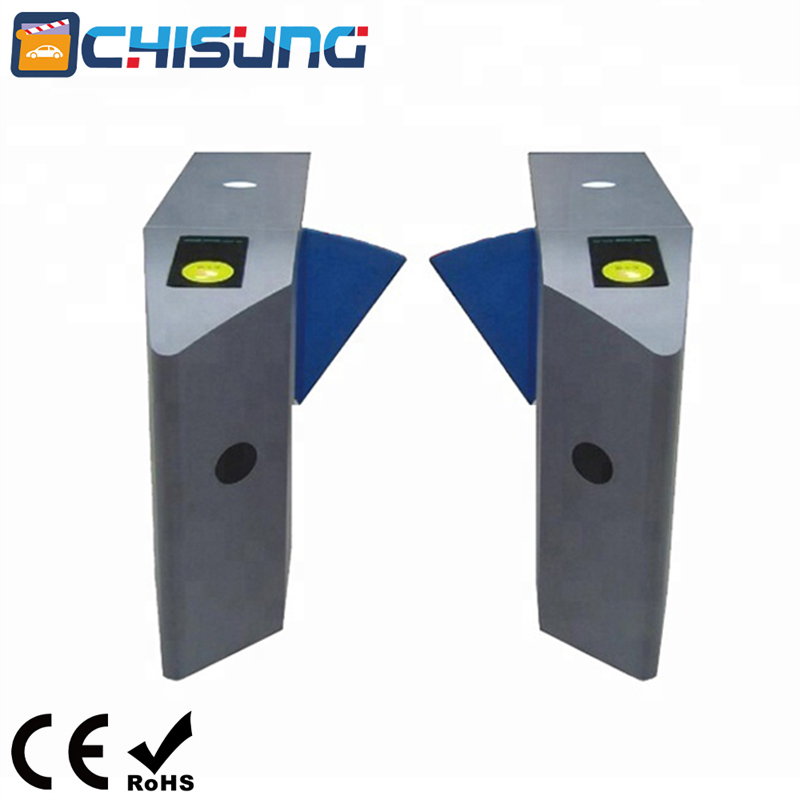
In 2026, flap gate technology continues to evolve, incorporating advanced biometric verification, integration with cloud-based identity management systems, and enhanced durability for intensive operational environments. A modern flap gate serves dual functions as both a security checkpoint and a flow management tool, allowing organizations to control exactly who enters restricted areas while maintaining smooth pedestrian movement during peak hours. The physical design of a flap gate typically features lightweight composite or stainless steel barrier arms that remain closed until an authorized signal triggers the locking mechanism to disengage, permitting passage.
Core Mechanics of a Flap Gate
How the Barrier Mechanism Operates
The fundamental operation of a flap gate depends on an electromagnetic or motorized locking mechanism that controls when the barrier arms can swing. When a person presents valid credentials—whether an RFID card, biometric scan, or mobile access token—the verification system sends a signal to the flap gate controller. This controller momentarily releases the locking mechanism, allowing the barrier arms of the flap gate to retract or swing upward, typically completing this motion within one to two seconds. Once the person passes through, the flap gate automatically resets to its closed and locked position, preventing unauthorized entry behind the passing individual.
Sensor and Electronic Integration
Modern flap gate systems rely on multiple sensors to ensure secure operation. Pressure sensors detect when someone is attempting to push through without authorization, while motion detectors track the presence of individuals in the passage area. Many flap gate designs include infrared barriers that prevent the barrier arms from closing if an object or person is detected in the path, reducing injury risk and damage to the equipment. The flap gate controller continuously monitors these sensor inputs, making real-time decisions about whether to allow passage, deny access, or trigger an alarm if suspicious activity is detected.
Design Benefits and Operational Advantages
Security and Access Control Features
A flap gate provides superior access control compared to simple door locks or static barriers because it creates a documented entry point where every passage can be logged and verified. The compact design of a flap gate allows it to be installed in corridors, server rooms, and restricted zones without consuming excessive floor space. The mechanical strength of a typical flap gate makes it resistant to forced entry attempts, as the barrier arms are engineered to withstand significant lateral pressure. Additionally, a flap gate can be integrated with visitor management systems, allowing temporary credentials to be issued and automatically expired, creating a flexible yet controlled access environment.
Traffic Flow and User Experience
Unlike full-height turnstiles that may feel intrusive to casual visitors, a flap gate presents a less imposing appearance while maintaining equivalent security. The rapid response time of a flap gate—typically under two seconds from credential verification to barrier opening—supports smooth pedestrian flow even during busy periods. Organizations using a flap gate in high-traffic areas report fewer congestion bottlenecks because the system doesn't require users to physically rotate through a gate or pass through a full-height barrier. This efficiency is particularly valuable in multi-tenant facilities, research campuses, and transit environments where user satisfaction and operational throughput both matter.
Industrial Applications and Implementation Scenarios
Enterprise and Facility-Specific Deployments
A flap gate is commonly deployed at the entrances to secure floors in corporate office buildings, where it ensures that only employees with appropriate clearance can access executive areas or sensitive departments. In pharmaceutical manufacturing and cleanroom environments, a flap gate helps maintain separation between different production zones, reducing the risk of contamination by preventing unauthorized personnel from entering restricted spaces. Data centers and server farms frequently use a flap gate as the primary access control at equipment areas, as the system's audit trail provides complete visibility into who accessed infrastructure and when. Universities and research institutions install a flap gate at laboratory entrances to regulate access to expensive equipment and hazardous materials, protecting both assets and personnel safety.
Integration with Broader Access Control Systems
Modern flap gate installations are rarely standalone devices; instead, they integrate seamlessly with enterprise access control platforms, security cameras, and emergency response systems. When someone attempts to gain unauthorized entry through a flap gate, the system can trigger alerts to security personnel, log the incident, and even activate nearby surveillance cameras to record the attempt. A networked flap gate allows administrators to adjust access permissions in real time, remotely disable credentials for terminated employees, and generate comprehensive audit reports showing traffic patterns and security events. This integration transforms a flap gate from a simple mechanical barrier into a strategic intelligence tool for facility security operations.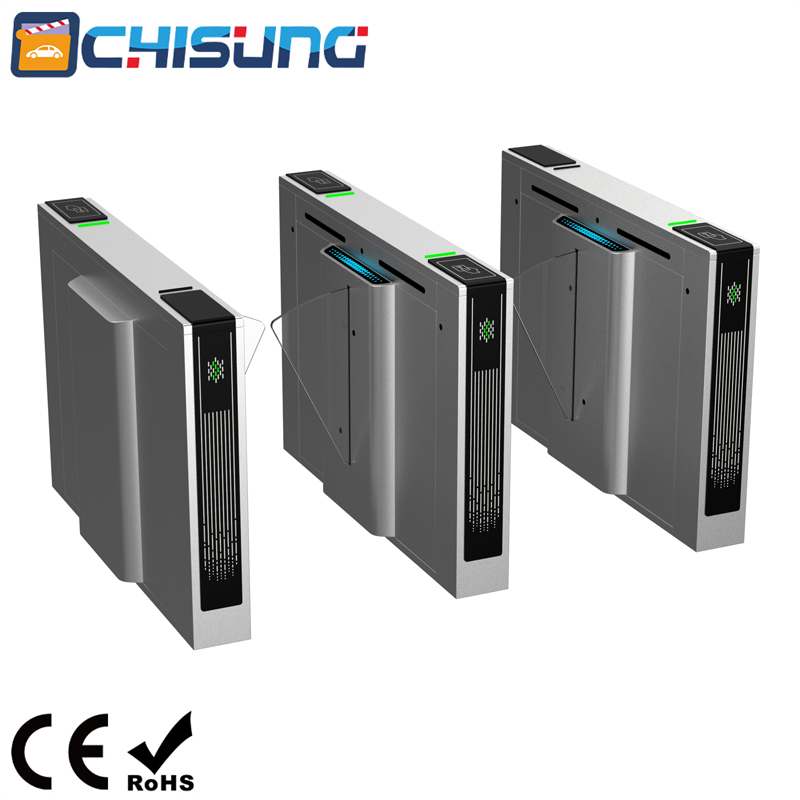
FAQ
What credentials does a flap gate typically accept?
A modern flap gate can accept multiple credential types simultaneously, including RFID proximity cards, smart cards, mobile wallet credentials (NFC), biometric authentication (fingerprint or facial recognition), and PIN codes. Many organizations configure their flap gate to accept multiple credential formats to accommodate diverse user populations and accommodate both regular employees and visitors. The flexibility of a flap gate credential acceptance makes it adaptable to evolving security and operational needs without requiring hardware replacement.
How does a flap gate handle emergency evacuation scenarios?
Safety-certified flap gate systems include emergency release mechanisms that can be manually activated to fully unlock all barrier arms during fire drills or actual emergencies, allowing rapid evacuation without waiting for electronic authorization. Many flap gate models also incorporate fail-safe designs where loss of electrical power automatically unlocks the barriers, preventing people from becoming trapped. The flap gate controller typically interfaces with building fire alarm systems, allowing the emergency system to trigger automatic barrier release when evacuation signals are activated, ensuring occupant safety remains the top priority.
Can a flap gate be retrofitted into existing doorways?
Yes, a flap gate can generally be installed in existing doorframe spaces with minimal structural modifications, making it an attractive upgrade path for facilities looking to enhance security without major renovations. The compact footprint of a standard flap gate allows it to fit in most doorways 36 inches to 48 inches wide, and the mounting hardware is designed for quick installation. Organizations should work with the flap gate manufacturer to assess structural compatibility and electrical requirements before retrofitting, but most modern facilities can accommodate this upgrade with relatively straightforward implementation.