
 EN
EN
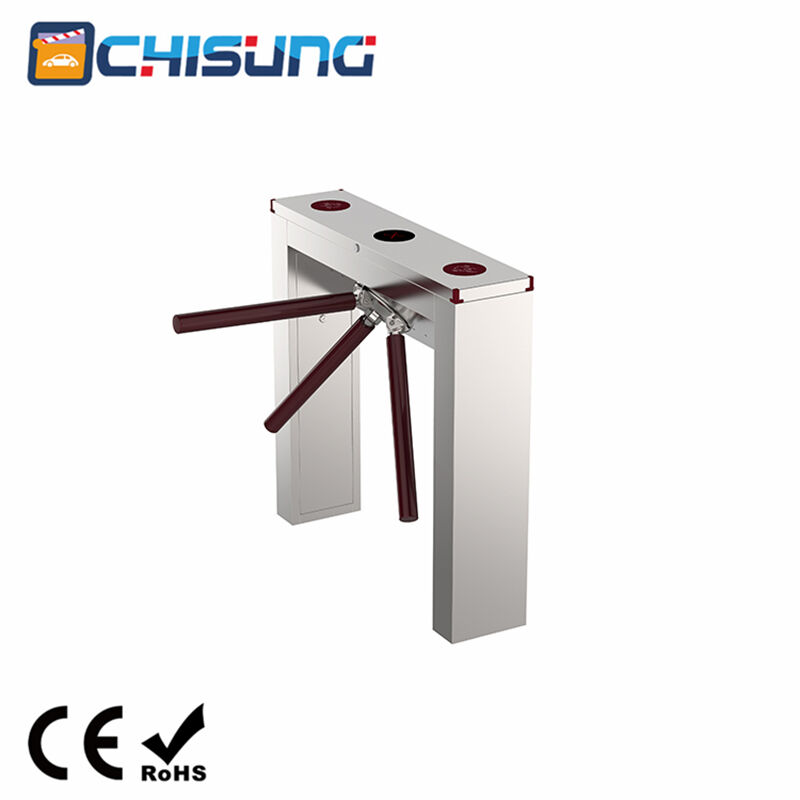
Understanding the investment required for a quality tripod turnstile has become increasingly important for businesses and organizations seeking effective access control solutions. The cost of these security devices varies significantly based on features, build quality, and manufacturer specifications. As we navigate through 2026, the market continues to evolve with new technological innovations that impact pricing structures across different segments of tripod turnstile solutions.
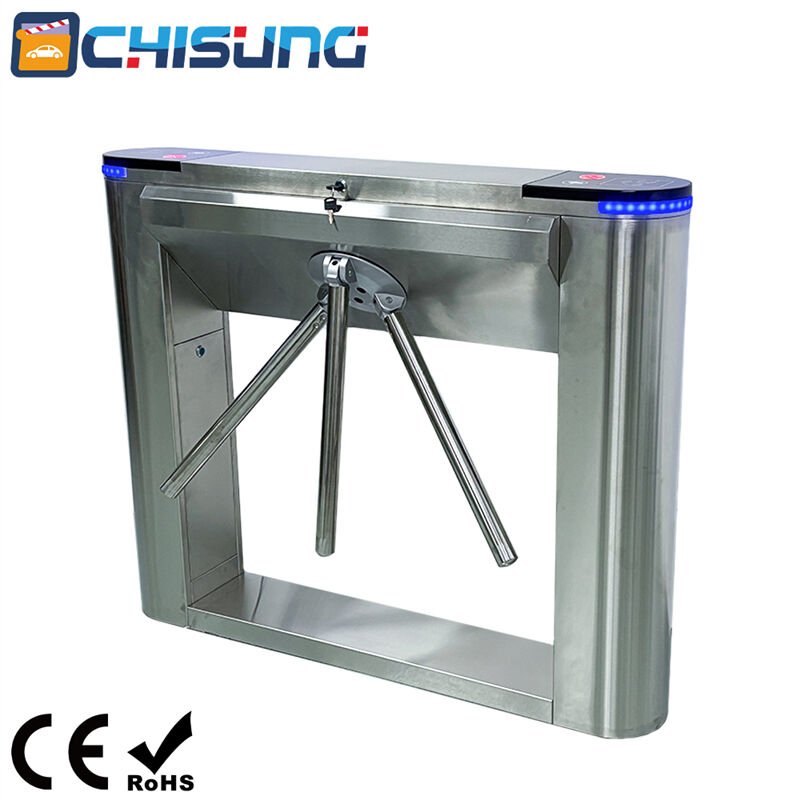
The initial investment in a tripod turnstile system represents just one component of the total ownership costs. Modern facilities require reliable access control mechanisms that balance security effectiveness with operational efficiency. Price considerations extend beyond the basic hardware to include installation requirements, maintenance schedules, and potential integration with existing security infrastructure. Organizations must evaluate their specific needs against available budget allocations to make informed purchasing decisions.
Market demand for advanced tripod turnstile systems continues growing as businesses recognize the importance of controlled access points. The integration of smart technologies, enhanced durability features, and improved user interfaces contributes to the overall value proposition of these security solutions. Understanding current market pricing helps organizations plan their security investments effectively while ensuring they select appropriate systems for their operational requirements.
Market Price Ranges for Tripod Turnstiles
Entry-Level System Pricing
Basic tripod turnstile models typically range from $800 to $1,500 per unit, depending on the manufacturer and specific feature set. These entry-level systems provide fundamental access control functionality without advanced technological integrations. Standard models in this price range often include manual operation capabilities, basic counting mechanisms, and standard steel construction suitable for indoor applications with moderate traffic volumes.
The lower price point reflects simplified mechanical designs that prioritize core functionality over advanced features. Entry-level systems generally accommodate standard identification methods such as key cards or basic proximity readers. While these models offer cost-effective solutions for smaller facilities, they may lack the durability and feature sophistication required for high-traffic environments or advanced security applications.
Installation costs for basic tripod turnstile systems usually add an additional $200 to $500 per unit, depending on site preparation requirements and local labor rates. Organizations considering entry-level options should evaluate their long-term needs to ensure the selected system provides adequate functionality as operational requirements evolve over time.
Mid-Range Professional Models
Professional-grade tripod turnstile solutions typically cost between $1,500 and $3,500 per unit, offering enhanced features and improved build quality. These systems incorporate more sophisticated access control technologies, including integrated card readers, LED indicator systems, and programmable security parameters. Mid-range models often feature stainless steel construction or enhanced coating systems that provide superior durability and weather resistance for outdoor installations.
The increased investment in mid-range systems delivers improved reliability and reduced maintenance requirements compared to basic models. These turnstiles commonly include bidirectional operation capabilities, anti-tailgating detection, and integration options for existing access control networks. Professional models also tend to offer better warranty coverage and technical support services, providing additional value for organizations requiring dependable long-term performance.
Enhanced safety features become more prevalent in professional tripod turnstile systems, including emergency release mechanisms and compliance with accessibility standards. The improved feature set justifies the higher price point for facilities with moderate to high traffic volumes or specific security requirements that exceed basic access control functionality.
Premium High-Security Systems
High-end tripod turnstile systems range from $3,500 to $8,000 or more per unit, incorporating advanced security technologies and premium construction materials. These systems often feature biometric integration capabilities, advanced anti-tailgating detection, and sophisticated monitoring systems that provide comprehensive access data and analytics. Premium models typically include weather-resistant designs suitable for harsh outdoor environments and heavy-duty usage scenarios.
The substantial investment in premium systems reflects their advanced technological capabilities and superior build quality. High-security models often integrate with comprehensive facility management systems, providing centralized control and monitoring capabilities across multiple access points. These systems may include features such as facial recognition integration, multi-factor authentication support, and real-time security alert generation.
Organizations investing in premium tripod turnstile systems typically require the highest levels of security control and operational reliability. The enhanced feature set and construction quality justify the higher costs for facilities such as data centers, government buildings, or high-security commercial environments where access control represents a critical security component.
Key Factors Influencing Tripod Turnstile Pricing
Construction Materials and Durability
The choice of construction materials significantly impacts tripod turnstile pricing, with stainless steel models commanding premium prices compared to standard painted steel alternatives. High-grade stainless steel provides superior corrosion resistance and maintains aesthetic appeal over extended operational periods, particularly important for outdoor installations or environments with challenging atmospheric conditions. The material quality directly correlates with system longevity and maintenance requirements.
Premium tripod turnstile models may incorporate specialized coatings or treatments that enhance durability and appearance retention. These advanced surface treatments add to manufacturing costs but provide long-term value through reduced maintenance needs and extended operational life. The initial material investment often proves cost-effective when evaluated against total ownership costs over the system's operational lifetime.
Manufacturing precision and quality control standards also influence pricing structures. Higher-quality systems undergo more rigorous testing and quality assurance processes, ensuring reliable performance and reducing the likelihood of premature failures or maintenance issues that could result in operational disruptions.
Technology Integration Capabilities
Advanced technology integration represents a major pricing factor for modern tripod turnstile systems. Models supporting multiple authentication methods, including RFID, biometric readers, and mobile credential systems, require sophisticated electronic components that increase manufacturing costs. The integration capability allows organizations to implement comprehensive security protocols tailored to their specific operational requirements.
Network connectivity features and software compatibility also impact pricing structures. Systems offering advanced network integration, cloud-based management capabilities, and API support for custom applications typically command higher prices due to the additional development and testing requirements. These features provide enhanced operational flexibility but require more complex manufacturing and quality assurance processes.
Real-time monitoring and analytics capabilities add significant value to tripod turnstile systems but also increase costs. Advanced systems may include features such as traffic flow analysis, security event logging, and predictive maintenance alerts that require sophisticated software development and hardware integration efforts.
Installation and Site Requirements
Site-specific installation requirements can significantly impact the total cost of tripod turnstile implementation. Facilities requiring extensive electrical work, concrete modifications, or specialized mounting solutions may incur additional costs ranging from several hundred to several thousand dollars per installation location. The complexity of integration with existing security systems also influences installation expenses.
Outdoor installations typically require additional weatherproofing and foundation work that increases overall project costs. The need for specialized installation techniques or equipment access considerations can further impact pricing structures. Organizations should carefully evaluate site conditions during the planning phase to accurately estimate total implementation costs.
Custom configuration requirements or unique architectural constraints may necessitate specialized tripod turnstile models or modification services. These customizations often involve additional engineering work and may require extended lead times, potentially affecting both pricing and project timelines.
Regional Market Variations and Trends
Geographic Pricing Differences
Regional market conditions create noticeable variations in tripod turnstile pricing across different geographic areas. Markets with higher labor costs, stricter regulatory requirements, or limited supplier networks often experience elevated pricing structures. Local economic conditions, currency fluctuations, and import duties can significantly impact final costs for organizations in different regions.
Shipping and logistics costs also contribute to regional pricing variations, particularly for organizations located in remote areas or regions with limited transportation infrastructure. The availability of local technical support and maintenance services may influence pricing decisions, as systems requiring specialized service capabilities may command premium prices in certain markets.
Established markets with multiple suppliers typically offer more competitive pricing compared to regions with limited vendor options. Organizations should evaluate the total cost of ownership, including ongoing support and maintenance availability, when comparing pricing across different regional suppliers or manufacturers.
Market Demand and Technology Trends
Current market trends toward smart building integration and IoT connectivity influence tripod turnstile development priorities and pricing structures. Increased demand for systems supporting mobile credentials, contactless operation, and health screening capabilities has driven innovation in the industry. These technological advances often command premium pricing during initial market introduction phases.
The growing emphasis on data analytics and operational intelligence has created demand for tripod turnstile systems with enhanced monitoring and reporting capabilities. Manufacturers investing in these advanced features typically reflect the development costs in their pricing structures, though the long-term operational benefits often justify the additional investment.
Sustainability considerations and energy efficiency requirements increasingly influence product development and pricing. Systems incorporating energy-saving technologies or sustainable materials may carry premium pricing but offer operational cost savings and environmental benefits that appeal to environmentally conscious organizations.
Total Cost of Ownership Considerations
Maintenance and Support Costs
Understanding the long-term maintenance requirements for tripod turnstile systems is essential for accurate cost planning. Regular maintenance typically costs between $200 and $500 annually per unit, depending on usage levels and environmental conditions. Higher-quality systems often require less frequent maintenance but may involve higher per-service costs due to specialized component requirements.
Preventive maintenance programs help ensure reliable tripod turnstile operation while potentially reducing long-term costs through early problem detection. Many manufacturers offer maintenance contracts that provide predictable annual costs and guaranteed response times for service issues. These programs often prove cost-effective compared to reactive maintenance approaches.
Component replacement costs vary significantly based on system complexity and manufacturer support policies. Organizations should evaluate parts availability and replacement costs when comparing different tripod turnstile options, as these factors significantly impact long-term operational expenses.
Energy Consumption and Operating Expenses
Modern tripod turnstile systems typically consume minimal electrical power, but energy costs still represent a consideration for large installations. Energy-efficient models may carry higher initial prices but provide operational savings over time. LED lighting systems and low-power electronic components contribute to reduced energy consumption in contemporary designs.
Operating expenses also include software licensing fees for advanced systems requiring cloud-based management or analytics services. These recurring costs should be factored into total ownership calculations when evaluating different tripod turnstile options. Some manufacturers include basic software services in their initial pricing, while others charge separately for advanced features.
Integration costs with existing facility management systems may require ongoing subscription fees or periodic software updates. Organizations should clearly understand all recurring costs associated with their selected tripod turnstile system to avoid unexpected expenses during operation.
Financing and Budget Planning Strategies
Capital Investment Approaches
Organizations can approach tripod turnstile investments through various financial strategies, including outright purchase, leasing arrangements, or phased implementation plans. Capital budget planning should account for the complete system cost, including installation, training, and initial maintenance requirements. Many organizations find that spreading implementation costs across multiple budget cycles helps manage cash flow while achieving security objectives.
Bulk purchasing agreements often provide significant cost savings for organizations installing multiple tripod turnstile units. Manufacturers typically offer volume discounts that can reduce per-unit costs by 10% to 20% for larger installations. These savings can make higher-quality systems more accessible while providing consistent security standards across multiple locations.
Some suppliers offer financing packages that allow organizations to spread costs over several years while implementing their tripod turnstile systems immediately. These arrangements can be particularly valuable for organizations with limited capital budgets but immediate security needs.
Return on Investment Analysis
Calculating the return on investment for tripod turnstile systems requires consideration of both cost savings and security improvements. Automated access control typically reduces staffing requirements while improving security consistency and documentation. These operational benefits often justify the initial investment through reduced labor costs and enhanced security compliance.
Improved access data and analytics capabilities provided by modern tripod turnstile systems can contribute to operational efficiency improvements and space utilization optimization. Organizations may realize additional benefits through better understanding of facility usage patterns and improved resource allocation based on accurate traffic data.
Risk mitigation represents another important component of ROI analysis. Effective access control systems help prevent unauthorized access incidents that could result in significant financial or reputational damage. The insurance and liability benefits of professional tripod turnstile systems often contribute substantially to their overall value proposition.
FAQ
What factors most significantly impact tripod turnstile pricing?
The most significant factors affecting tripod turnstile pricing include construction materials, technology integration capabilities, security features, and manufacturer reputation. Stainless steel construction, advanced access control integration, biometric compatibility, and weather resistance typically increase costs. Installation requirements and site-specific modifications also significantly impact total project expenses.
How do maintenance costs compare between different price ranges of tripod turnstiles?
Entry-level tripod turnstile systems typically require more frequent maintenance due to simpler construction, potentially costing $300-600 annually per unit. Mid-range systems usually have lower maintenance requirements, averaging $200-400 per year. Premium systems often have the lowest maintenance needs but higher per-service costs, typically ranging from $250-500 annually with less frequent service requirements.
Are there significant cost benefits to purchasing multiple tripod turnstile units?
Yes, volume discounts typically provide substantial savings for multiple unit purchases. Most manufacturers offer 10-20% discounts for orders of five or more units, with larger discounts available for installations exceeding ten units. Bulk purchasing also often includes reduced installation costs and extended warranty terms, providing additional value beyond the initial price reduction.
What hidden costs should organizations consider when budgeting for tripod turnstile systems?
Hidden costs often include electrical work for power supply installation, network infrastructure for connected systems, software licensing fees, training expenses, and ongoing technical support subscriptions. Site preparation work, permit fees, and integration with existing security systems can add 20-40% to the base system cost. Organizations should also budget for periodic software updates and potential component upgrades over the system's operational lifetime.
Table of Contents
- Market Price Ranges for Tripod Turnstiles
- Key Factors Influencing Tripod Turnstile Pricing
- Regional Market Variations and Trends
- Total Cost of Ownership Considerations
- Financing and Budget Planning Strategies
-
FAQ
- What factors most significantly impact tripod turnstile pricing?
- How do maintenance costs compare between different price ranges of tripod turnstiles?
- Are there significant cost benefits to purchasing multiple tripod turnstile units?
- What hidden costs should organizations consider when budgeting for tripod turnstile systems?